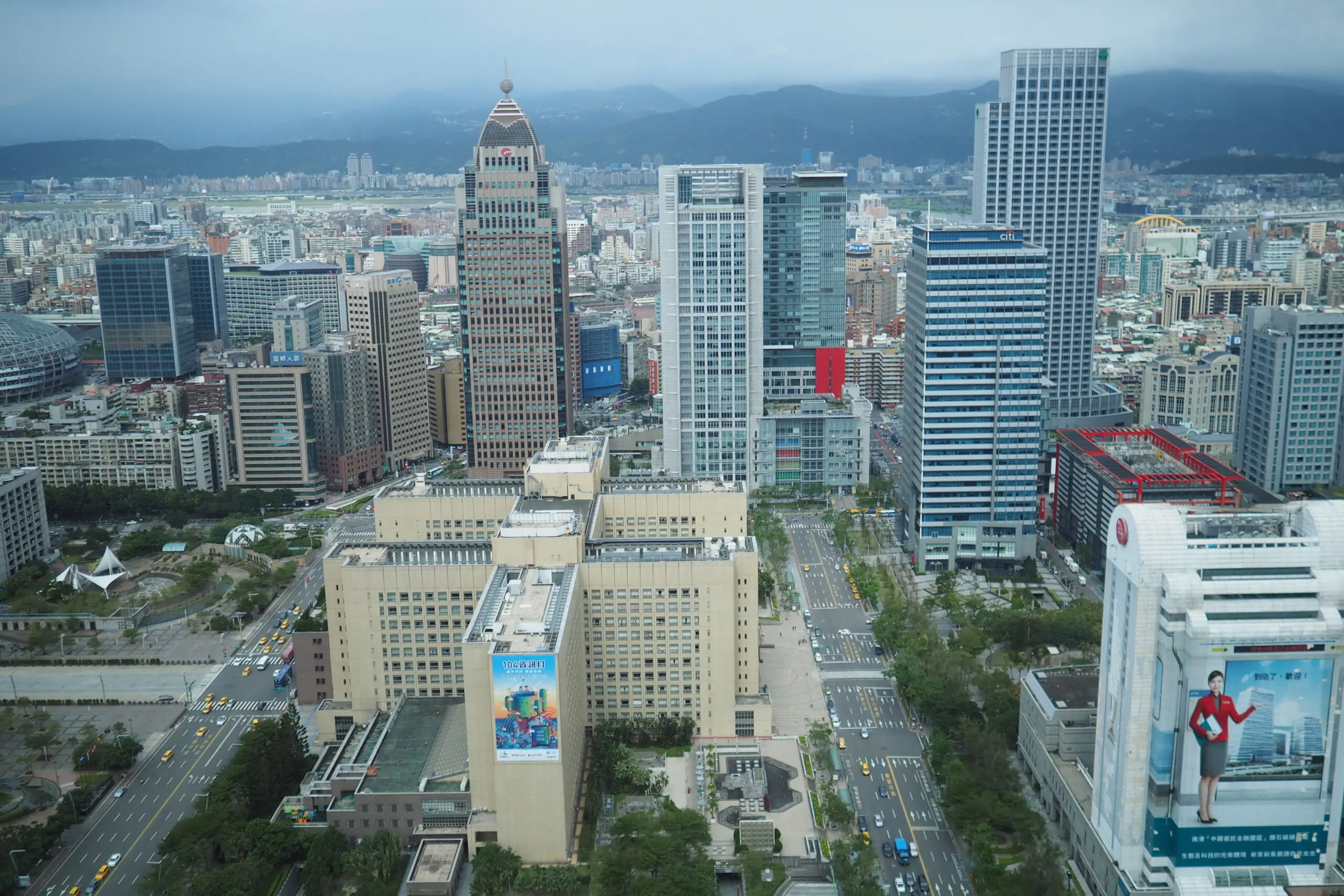

For travelers looking to cross the Pacific, Taipei is one of the most underrated transit points. While most travelers instinctively search for flights routing through Tokyo or Hong Kong, Taipei often offers better value, modern terminals, and highly rated home carriers. If you analyze your flight routing options based on cost and transit efficiency, utilizing Taiwan’s main gateway can save both money and travel time.
The Trans-Pacific Value Play
Three major airlines are headquartered in Taiwan: EVA Air, China Airlines, and the newer luxury carrier Starlux. This concentration of competing home carriers creates excellent value for long-haul passengers.
- Carrier Selection: EVA Air (a Star Alliance member) and China Airlines (SkyTeam) run extensive networks connecting North America and Europe to Taipei, with onward flights across Asia. Starlux has entered the market with high-end cabin configurations, adding downward pressure on fares.
- Routing Logic: Routing through Taipei is often more cost-effective than flying through Tokyo, Incheon, or Hong Kong. If you are heading to Southeast Asian cities like Bangkok, Manila, or Ho Chi Minh City, connecting at Taoyuan is direct and efficient.
- Transfer Efficiency: Taoyuan Airport is designed for transfers, with well-signed transfer zones and baggage checked through to your final destination, making it a reliable alternative to busier hubs.
Two Airports: Getting the Code Right
Taipei is served by two airports, and confusing them is a classic self-transfer mistake.
- Taoyuan International Airport (TPE): Located forty kilometers west of the city, this is the main international gateway. Almost all long-haul flights from the US and Europe land and depart here.
- Songshan Airport (TSA): This is a small airport located directly within downtown Taipei. It handles domestic flights and short-haul regional shuttles to places like Tokyo Haneda, Seoul Gimpo, and Shanghai Hongqiao.
Do not book a self-transfer connection that requires changing from TPE to TSA unless you have at least a five-hour buffer. Exiting one airport, taking the train across the metro area, and checking in at the other takes time. Keep all international transits within TPE.
Getting into the City via Metro
If you are staying in Taipei or have a long layover, getting from Taoyuan Airport to the city center is straightforward.
The Taoyuan Airport MRT (Mass Rapid Transit) connects TPE directly to Taipei Main Station. The Express train (purple livery) runs every fifteen minutes and reaches the city center in about thirty-five minutes. The Commuter train (blue livery) stops at all stations and takes about fifty minutes. Taking the train is predictable, cheap, and immune to highway traffic. Taxis are available but cost significantly more and are subject to congestion during morning and evening rush hours.
Typhoon Season vs. The Sweet Spots
Taipei’s weather is the single biggest factor driving fare pricing and flight reliability:
- Typhoon Season (July through September): This is the high-risk window. High heat, stifling humidity, and the real threat of typhoons disrupting flight schedules. If a storm hits, airports can close, leading to cancellations and delays. Fares are often discounted during these months to offset the weather risk.
- Autumn (October through December): This is the seasonal sweet spot. Temperatures are mild, humidity drops, and the risk of typhoons is minimal. Fares are stable, making it the best time to visit.
- Spring (March through May): Another pleasant window with moderate temperatures, though spring rains can occur.
- Winter (January and February): The weather is damp and chilly. While fares are low, you will spend much of your time under gray skies.
Visa-Free Entry and the Layover Play
Taiwan is visa-free for citizens of many Western nations—including the United States, the United Kingdom, Canada, Australia, and European Union countries—for stays up to 90 days. Your passport must be valid for at least the duration of your stay, though keeping six months of validity is standard practice. Entry rules can change; verify current requirements before booking.
If you have a layover at Taoyuan Airport between seven and twenty-four hours, you can register for the airport’s free half-day transit tours. It is an excellent way to see the city center without paying for a hotel or transit. If your connection is short, staying airside is painless, with plenty of quiet zones and dining options.
Images: othree / CC BY 2.0; CEphoto, Uwe Aranas / CC BY-SA 3.0; 玄史生 / CC0. Source: Wikimedia Commons.
Read also
- Holidays in Hainan: My Experience and Recommendations
- Cheap flights to Singapore: Changi, the stopover trick, and getting into the city
- Travel to Istanbul, the city of Constantinople – main attractions
