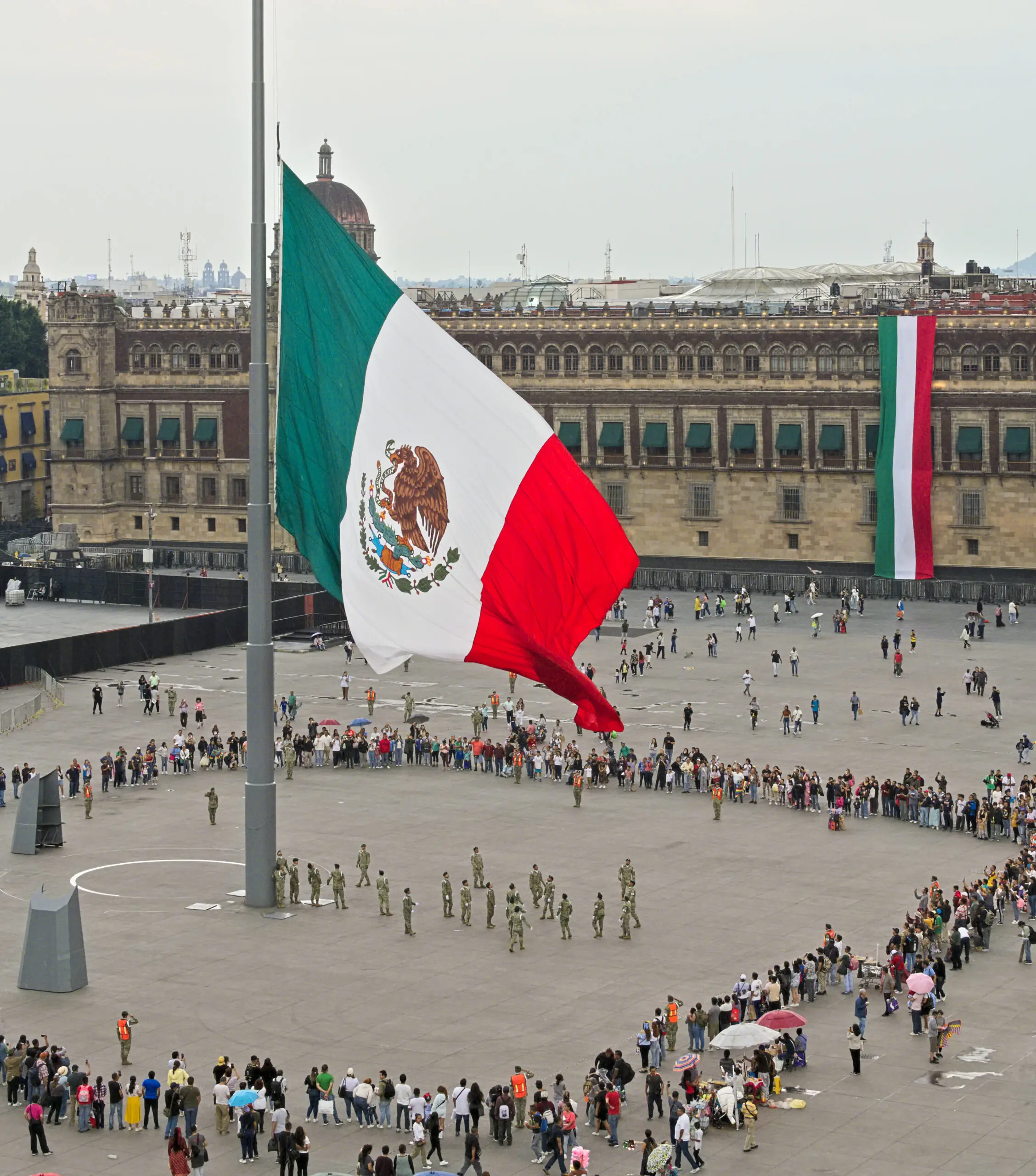

Mexico City is one of the most visited destinations in Latin America, but the city’s aviation landscape has grown significantly more complicated. If you want to plan your arrival, transfer, and altitude adjustment like an operations analyst, you need to understand how the two-airport system, the terrain, and the local transit options affect your total travel cost.
The Two Airports: AICM vs. AIFA
Mexico City is served by two airports, and booking a flight without checking the three-letter code is a costly mistake.
- Benito Juárez International Airport (MEX): Commonly known as AICM (Aeropuerto Internacional de la Ciudad de México), this is the city’s historic and primary hub. It is located just five miles east of the central districts. While MEX is congested, chaotic, and showing its age, its location is unbeatable. A taxi ride from here to Reforma or Roma is short and straightforward.
- Felipe Ángeles International Airport (NLU): Known as AIFA, this facility opened in 2022 on a converted military base far to the north. To reduce crowding at MEX, the government shifted all dedicated cargo flights and capped slot limits, forcing several low-cost domestic routes and some international carriers to move to NLU.
When searching for flights to Mexico City, aggregators will show fares for both airports. Always verify the code before you purchase. If the ticket shows NLU, you are landing at AIFA, not the central airport.
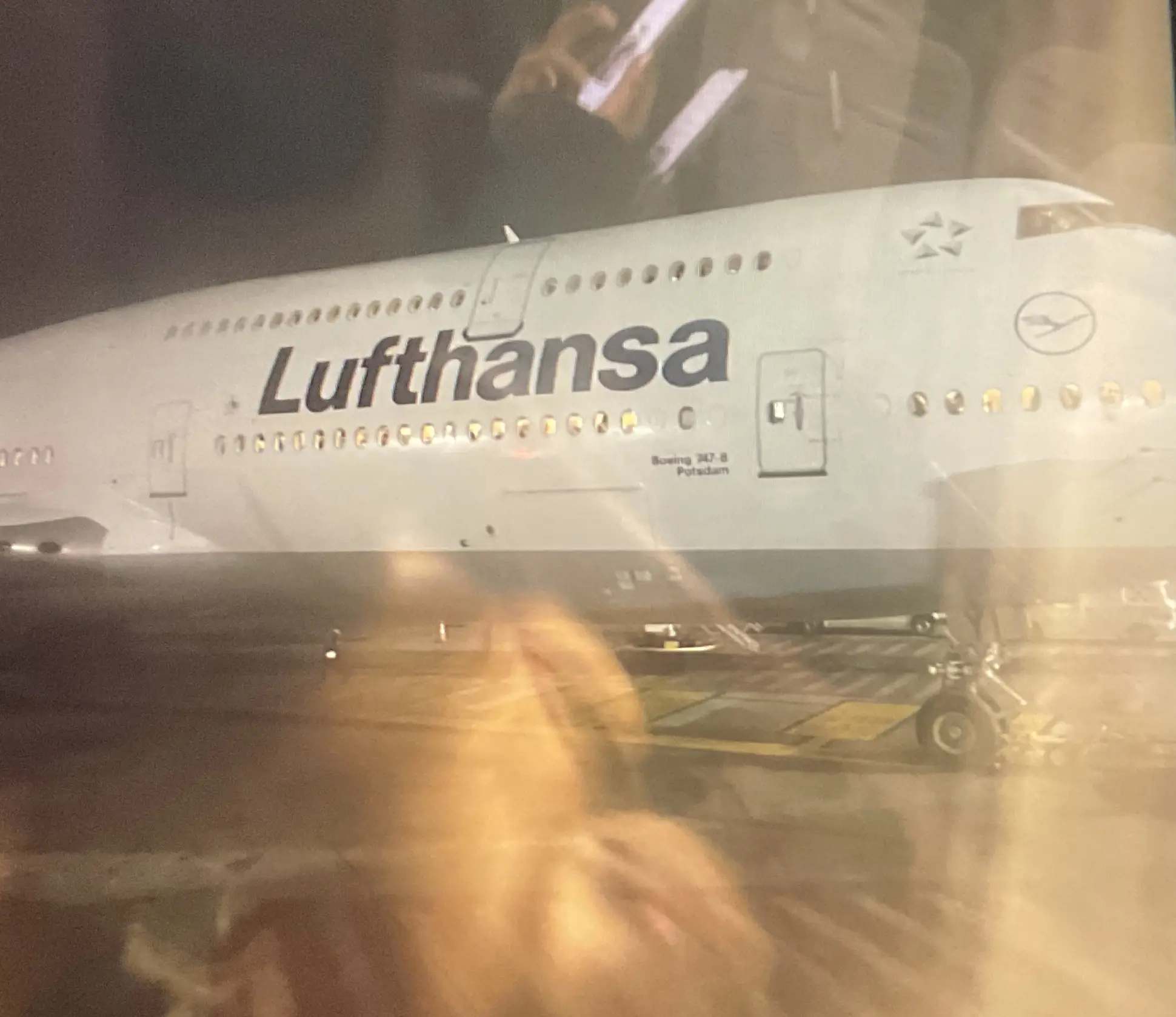
The AIFA Transfer Reality
Flying into AIFA (NLU) often yields a lower initial airfare, but the distance creates a logistical headache. Public transit links between the northern airport and the city center are still developing.
To get to the city center from AIFA, you must rely on long-distance buses, pre-booked transfers, or authorized taxis. The commute takes anywhere from an hour to over two hours depending on Mexico City’s notorious traffic bottlenecks. The cost of a taxi from NLU can easily wipe out any savings you gained on a cheaper flight ticket.
Additionally, connecting between the two airports is a major risk. If you book separate tickets and must self-transfer from AIFA to AICM for a connecting flight, you have to collect your bags, clear customs, commute across the metropolitan area, and clear security again. Never attempt this transfer with a layover window of less than five hours.
Routing In and Entry Rules
Mexico City is a major international gateway, offering excellent connectivity.
Nonstop flights run daily from major US hubs, including Houston, Dallas, Miami, Los Angeles, Chicago, and New York. Major carriers like Aeromexico, United, American, and Delta compete on these routes, keeping prices competitive. From Europe, direct flights connect Madrid, Paris, Amsterdam, and London to MEX. If you are flying from elsewhere, you will connect through one of these European hubs or route through a US gateway.
In terms of entry, Mexico is visa-free for tourist stays for most Western passports (including the US, UK, EU, Canada, and Australia), where you will be processed for a tourist permit upon arrival; check current requirements before you book.
The Altitude Factor
Mexico City sits at an elevation of approximately 2,240 meters (7,350 feet) above sea level.
While it is lower than the Andean hubs, the elevation is high enough to cause mild altitude sickness, which can be worsened by the city’s valley smog. On your first day, go easy. Keep physical exertion low, drink plenty of water, and limit alcohol consumption. If you plan to explore the pyramids at Teotihuacán, save that excursion for later in your trip when your body has acclimated.
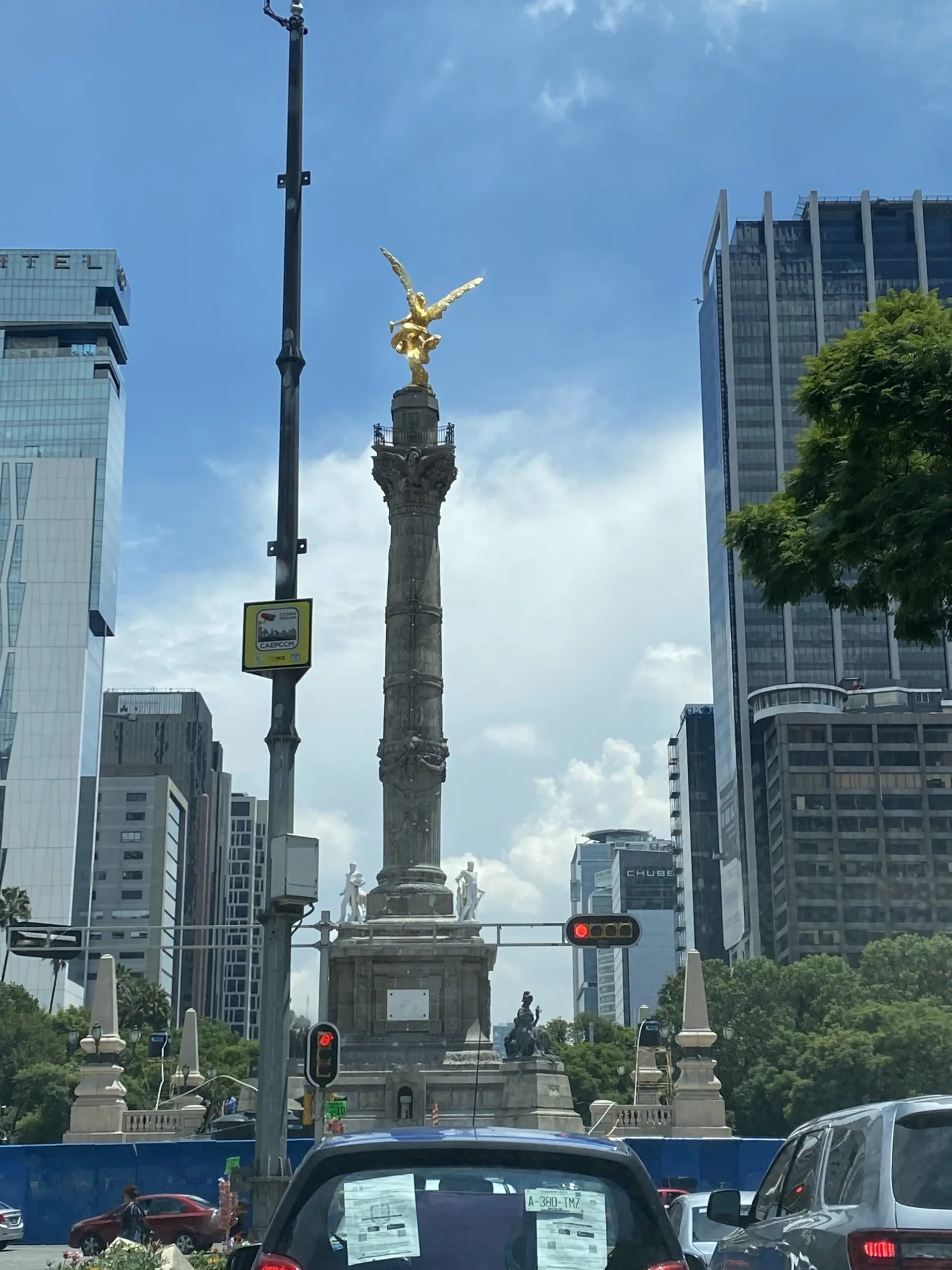
AICM Airport Transit and Safety
If you land at the central Benito Juárez Airport (MEX), getting into the city is simple, but security rules apply.
The city’s Metro system is cheap and has stations at Terminal 1 and Terminal 2. However, hauling large suitcases through crowded, fast-moving cars makes you a prime target for pickpockets.
For safety and convenience, use the authorized taxi booths located inside the arrivals hall (such as Porto Taxi, Nueva Imagen, or Confort). You pay a flat fare at the desk based on your destination district, get a paper ticket, and queue at the official taxi rank outside. Do not accept rides from drivers soliciting customers in the arrivals corridor, and do not walk out to hail a street cab. Use authorized taxis only. App-based rideshares like Uber and Didi also operate at MEX, though pickup zones are restricted to specific airport doors.
Dry vs. Wet Season: When to Book
Mexico City’s climate directly drives airfares and crowd levels.
- The Dry Peak (November through April): The weather is sunny and mild. This is the busiest and most expensive time to fly to the capital. Demand spikes sharply around Día de Muertos (late October to early November) and Semana Santa (Easter week). Fares and accommodation rates peak during these windows, requiring booking months in advance.
- The Rainy Season (June through September): Summer brings heavy, reliable afternoon downpours and occasional transit delays. However, airfares and hotel rates drop, making this the best window for budget travelers who do not mind carrying an umbrella.
FAQ
Which Mexico City airport should I fly into?
You should fly into Benito Juárez International Airport (MEX) if you want to be close to the city center. Felipe Ángeles International (NLU / AIFA) is much farther out and requires a longer, more expensive transfer, though it may offer cheaper airfares.
What’s the difference between AICM and AIFA?
AICM (MEX) is the traditional, centrally located airport. AIFA (NLU) is the new airport located thirty miles north of the city. AIFA handles an increasing number of low-cost domestic flights and cargo routes.
Is Mexico City at high altitude?
Yes. Mexico City is situated at 2,240 meters (7,350 feet) above sea level. You may experience mild altitude symptoms like headaches or shortness of breath. Drink plenty of water and rest on your first day.
Do I need a visa for Mexico?
Tourists from the US, UK, Canada, Australia, and EU countries do not need a visa for stays under 180 days. You will be processed for a tourist permit at immigration upon arrival. Check current requirements before you book.
Images: Cvmontuy / CC BY 4.0; Ziongarage / CC0; GusVal96 / CC BY-SA 4.0. Source: Wikimedia Commons.
Read also
- How to relax in Venezuela?
- Cheap flights to Lima: the gateway to Machu Picchu, the Cusco connection, and the altitude
- Interesting things about Cuba


