

Bali is a huge draw, but because there are no direct flights from North America or Europe, getting here takes planning. Book the first cheap itinerary you see without checking connection times, transit hubs and arrival admin, and you’ll pay for it in time and stress. Here’s how to handle the flight logistics and the arrival process like a professional.
The routing dilemma: choosing the right hub
Since you can’t fly direct from the West, your ticket will involve at least one stop. For travellers from the US, UK or Europe, the options generally fall into four routes:
- The Singapore or Kuala Lumpur hop. A major carrier to Singapore (SIN) or Kuala Lumpur (KUL), then a short regional flight to Bali. The smoothest route — Changi is about the most efficient transit airport going, and connections to Denpasar are frequent.
- The East Asian hubs. Via Taipei, Hong Kong, Bangkok or Tokyo. Splits the long ocean crossing and the regional leg nicely, but watch the layover — some cheap fares bury a twelve-hour overnight that means booking a transit hotel.
- The Gulf carriers. Via Doha, Dubai or Abu Dhabi. Top-tier service, but the path is long and the Middle East layover often lands in the dead of night.
- The Australia connection. Via Sydney or Melbourne, handy if you’re combining trips — but usually the longest and least cost-effective way in from the West.
When you compare fares, look hard at the layover. Under two hours on a long-haul connection is a gamble: a delay on the ocean-crossing leg and you miss the onward flight and get stranded. Aim for a three-to-four-hour buffer.
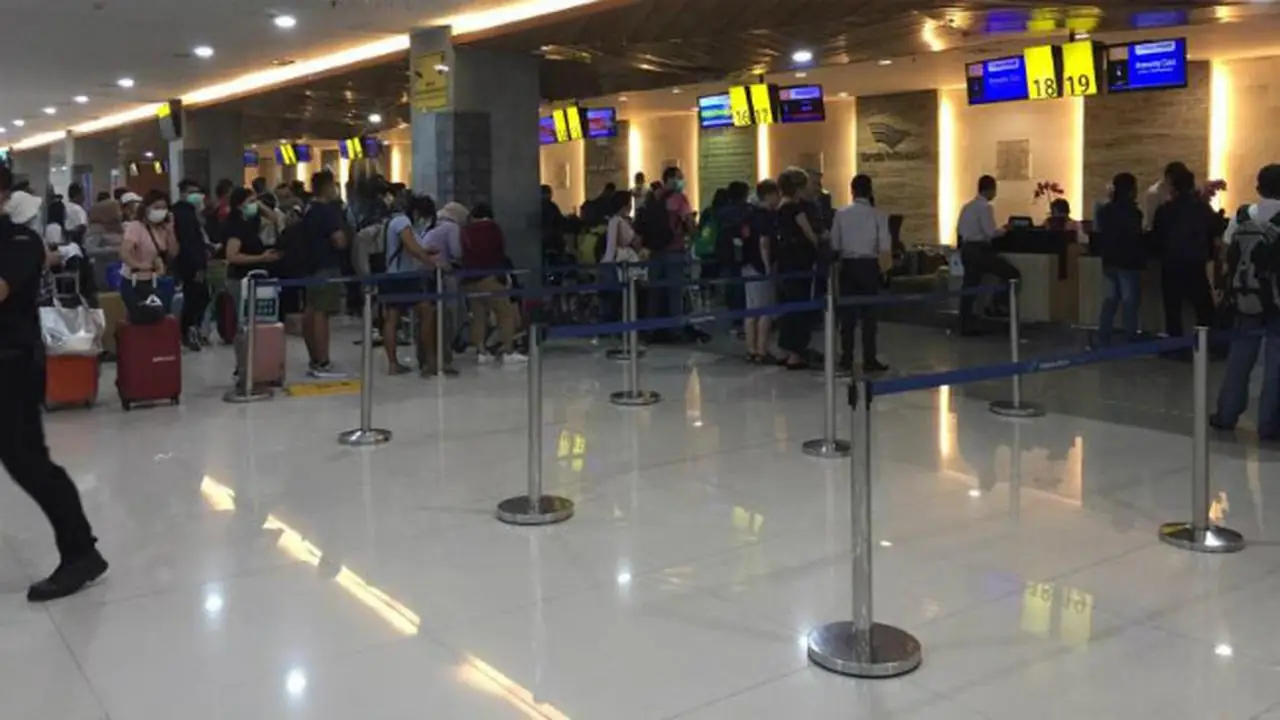
Booking windows and seasonal surges
Bali has two clear seasons. The dry season runs April to October and is the peak — fares in these months, especially July and August, are the priciest of the year. The wet season runs November to March, with heavy tropical downpours and high humidity, and fares drop a lot, making it the best window for budget seats.
But watch the Australian school-holiday calendar. Bali is a short flight from Australia, and when their schools break (notably July, late September and mid-December) families flood the island — and that pushes regional airfares and hotel rates up across the board, even if you’re booking from the West.
The best window to lock in a flight is four to six months out. Don’t wait for last-minute deals; on these long-haul routes they rarely come.
The double-layover and self-transfer trap
You’ll often see two-connection itineraries that look much cheaper than single-stop routes. Before you buy, do the math.
Two stops mean three separate flights — three chances for delays, three security checks, and a good chance your checked bag doesn’t make it onto the same plane as you. If you have to collect and recheck your bags at a transit airport (a self-transfer), you own all the risk: if flight one is late, flight two leaves without you and you buy a new ticket on the spot. Stick to a single-connection ticket on one airline or alliance whenever you can.
Skipping the arrivals line: visa and tourist levy
Indonesia requires most Western travellers (including US, UK, Canada, Australia and EU passport holders) to buy a tourist visa-on-arrival (VoA). It’s valid for thirty days and can be extended once. On top of that, Bali now charges a separate tourist levy that every international visitor pays.
You can pay both at the airport — but that means standing in two separate queues before you even reach the main immigration line.
Save yourself the headache: apply and pay for the electronic visa-on-arrival (e-VoA) and the tourist levy online through the official government portals before you fly. You get digital confirmations to scan at the automated gates, which lets you skip the payment queues entirely. Make sure your passport has at least six months of validity from your date of entry, and always check the current visa rules before booking.
Surviving the airport exit: taxis and apps
The arrivals hall at Denpasar is a gauntlet of drivers waving signs and calling out. Don’t make eye contact, and don’t agree to a ride with anyone who approaches you inside the terminal — they’re unlicensed touts who’ll overcharge you. You’ve got three legitimate ways to reach your hotel.
The official taxi counter
Just outside the arrivals exit, this counter sells fixed-fare rides: tell them your destination, they quote a rate, you pay at the desk and they assign a driver. Slightly pricier than an app, but straightforward and safe.
Ride-hailing apps
Grab and Gojek are widely used in Bali, with dedicated airport pickup zones (usually a short walk to the parking structure). The app gives a fixed price and tracks the driver, so there’s no negotiation game.
Pre-booked hotel transfer
Arriving late at night or travelling as a family, a transfer booked through your hotel or a reputable service is worth the small premium — your driver waits in arrivals with your name on a sign.
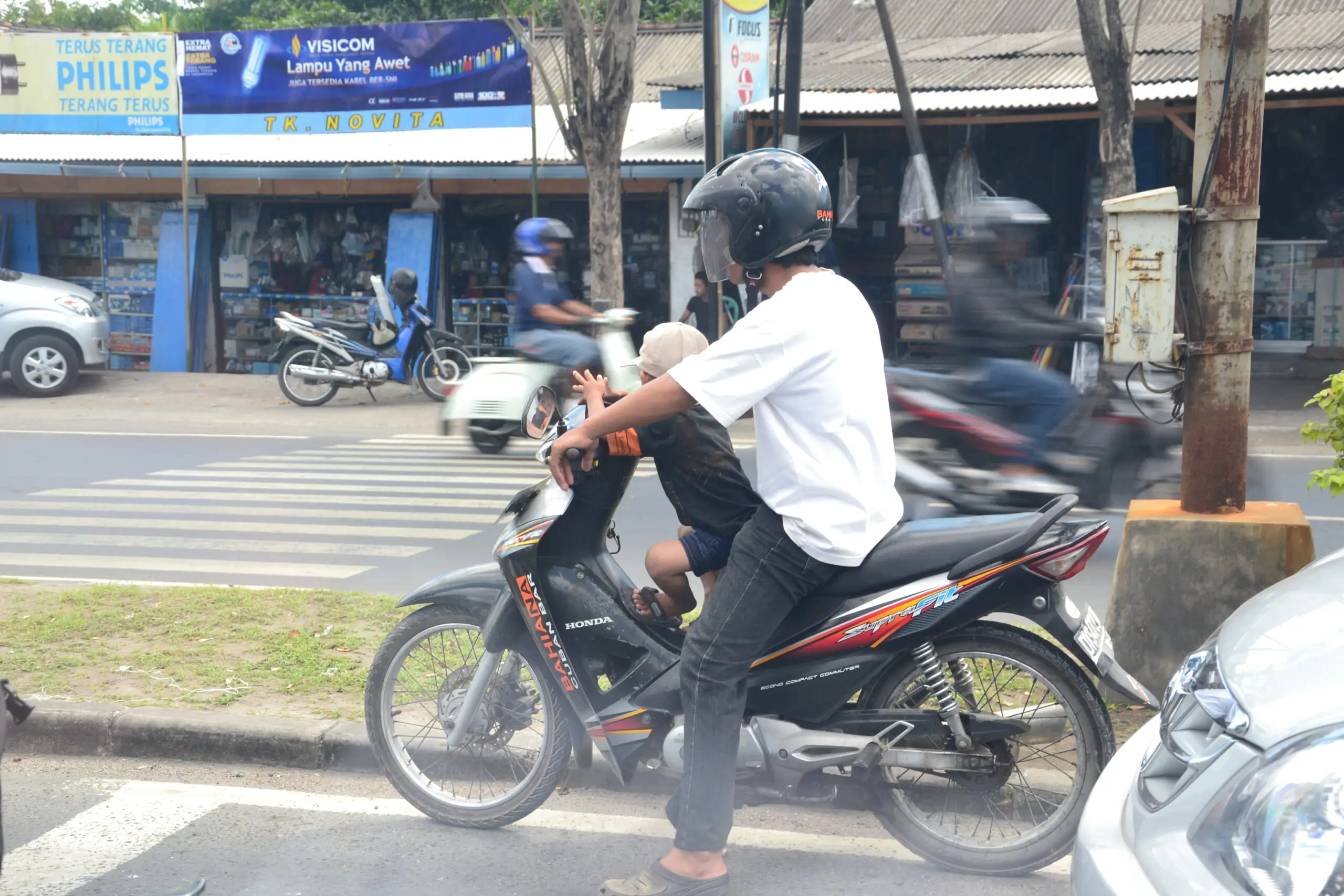
One more thing: Bali traffic is legendary. The roads are narrow and scooters rule the lanes. A transfer to Kuta or Seminyak is relatively quick, but if you’re heading inland to Ubud or up to Canggu, a journey that looks short on a map can easily take two hours of slow crawling. Build that buffer into your travel day.
FAQ
Are there direct flights to Bali?
No. There are no direct flights to Denpasar (DPS) from North America, the UK or Europe. You’ll connect through a major Asian hub (Singapore, Taipei, Bangkok) or the Middle East.
When should I book flights to Bali?
Four to six months out is the sweet spot. The cheapest fares fall in the wet season (November to March); peak dry-season months (July and August) and Australian school holidays are the dearest.
Do I need a visa for Bali?
Most Western tourists need a visa-on-arrival and must also pay the Bali tourist levy. You can buy both online in advance to skip the airport queues. Check the current rules before you travel.
How do I get from the airport to my hotel?
Use the official fixed-fare taxi counter outside arrivals, order a Grab or Gojek to the designated app pickup zone, or arrange a private transfer through your hotel. Avoid the touts inside the terminal.
Images: Vyacheslav Argenberg / CC BY 4.0; Angkasa Pura I / Public domain; Simon_sees from Australia / CC BY 2.0. Source: Wikimedia Commons.
Read also
- Shanghai: A Comprehensive Travel Guide to the Paris of the East
- Cheap flights to Bangkok: when to book, which airport, and how to survive the layover
- Tokyo Guide: From Temples to Neon Lights


