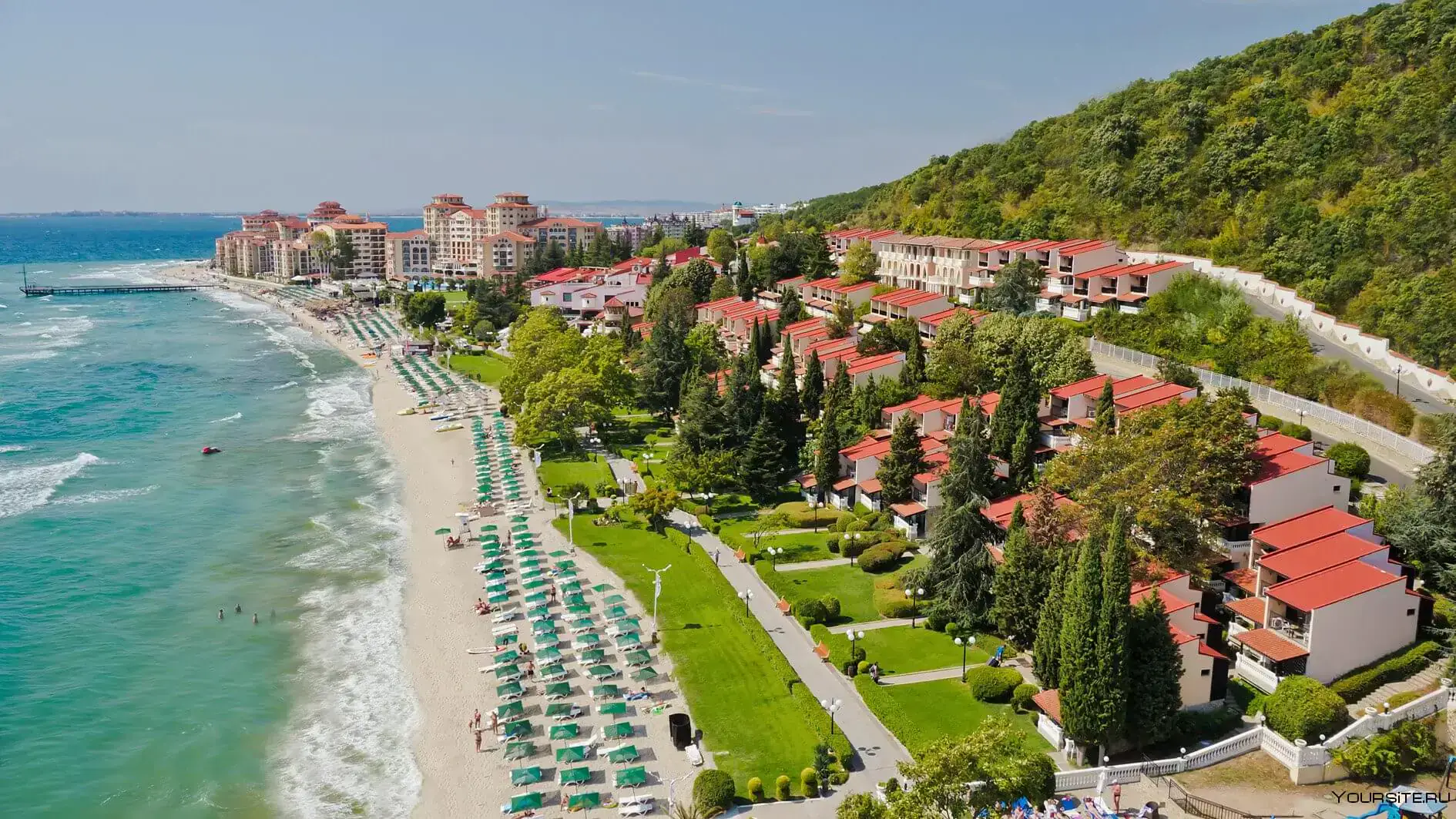
Bulgaria, in the south-east corner of Europe on the Black Sea, is one of the continent’s best-value and most underrated destinations. In a compact country you can move from Roman ruins to mountain monasteries to long sandy beaches, all wrapped in a warm food culture and a calendar of colourful festivals. Here is what makes it worth the trip.

Layers of History
Bulgaria’s history runs deep — from Thracian and Roman times through the medieval Bulgarian empires and five centuries of Ottoman rule to the modern republic. That past is everywhere: the Roman amphitheatre and old town of Plovdiv (one of the oldest continuously inhabited cities in Europe), the frescoed Rila Monastery in the mountains, the medieval capital of Veliko Tarnovo, and fortresses and churches across the country. The capital, Sofia, sits beneath Vitosha mountain and layers Roman remains, Ottoman mosques and Orthodox cathedrals within a few walkable blocks.
The Food and Wine
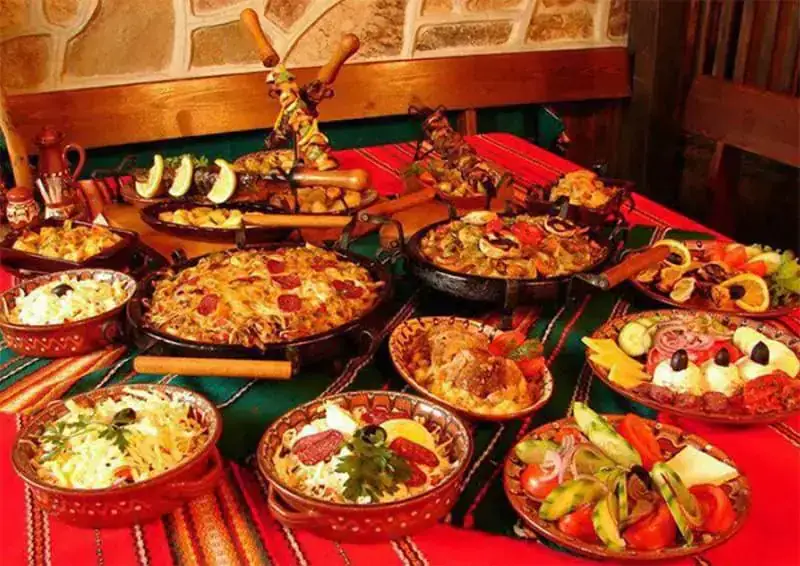
Bulgarian cooking is generous and fresh, built on vegetables, grilled meats, herbs and superb dairy — the country is the home of true “Bulgarian” yoghurt. Look for banitsa (a flaky cheese pastry), kebapche (grilled minced-meat rolls), and the ubiquitous shopska salad of tomato, cucumber and grated white cheese. The wine tradition here is one of the oldest in the world and still seriously underrated.
Festivals and the Seasons
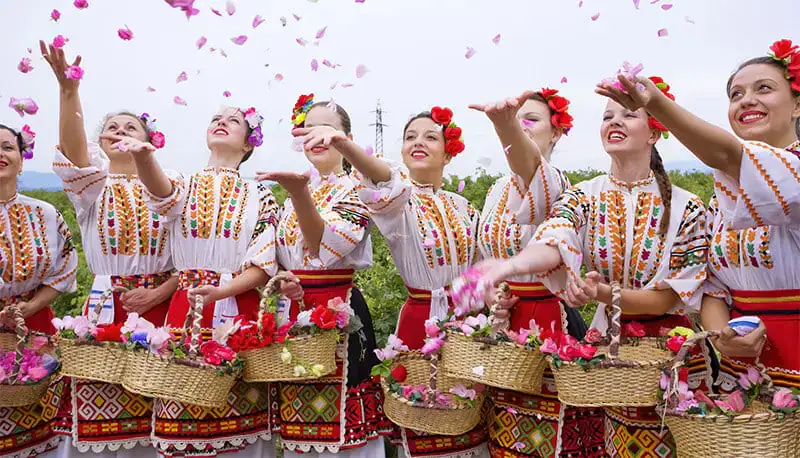
Many Bulgarian festivals have pagan, agricultural roots. On 1 March, people exchange red-and-white *martenitsa* charms to welcome spring; in early summer the Rose Festival at Kazanlak celebrates the harvest of the roses used to make the country’s famous rose oil. Summer brings music and folklore festivals up and down the coast.
Beaches and Mountains
Beyond the culture, Bulgaria is a proper holiday country. The Black Sea coast — around resorts like Sunny Beach, Golden Sands and the old town of Nessebar — offers warm, shallow water and long sandy beaches at gentle prices, while in winter the mountain resort of Bansko is one of Europe’s most affordable places to ski.
Practicalities
Bulgaria is a member of the European Union and the Schengen Area, and since 1 January 2026 it uses the euro. Visa-free visitors should check whether the new ETIAS travel authorisation is required before they travel.
FAQ
What is Bulgaria best known for?
Excellent value: Black Sea beach resorts, cheap skiing at Bansko, historic cities like Plovdiv and Veliko Tarnovo, the Rila Monastery, and a hearty food and wine culture.
What currency does Bulgaria use?
The euro — Bulgaria joined the eurozone on 1 January 2026, replacing the lev.
When is the best time to visit?
Summer for the Black Sea coast, winter for skiing, and late spring or early autumn for sightseeing in the cities and mountains without the crowds.


