
Temples with Depth
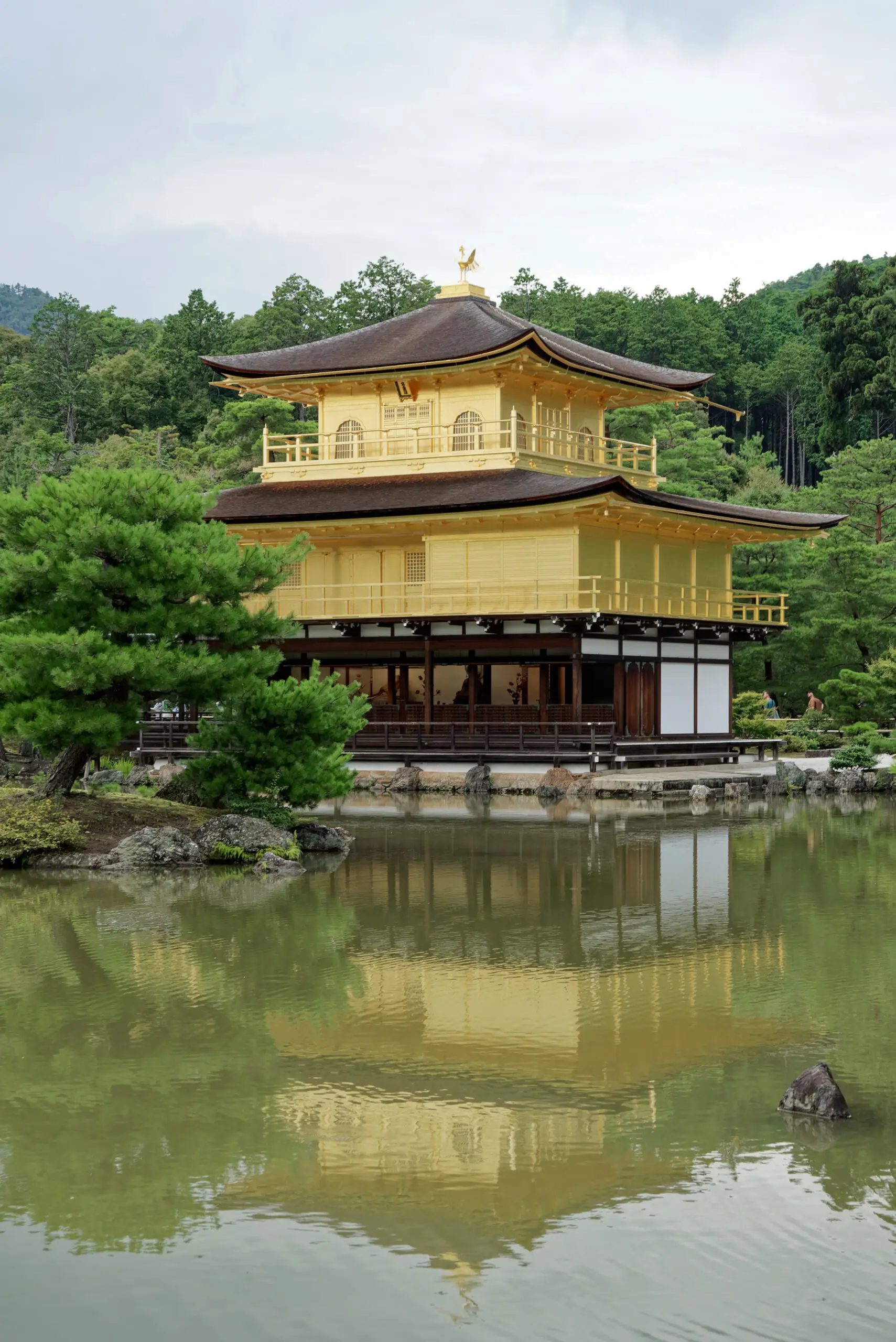
Kyoto holds hundreds of temples and shrines, but a few command the city’s narrative. Kinkaku-ji, the Golden Pavilion, casts a brilliant, mirrored reflection across its surrounding pond, a striking statement of 14th-century wealth and aesthetics. Across the city, the vast wooden stage of Kiyomizu-dera juts out over a steep hillside, offering sweeping views of the valley below.
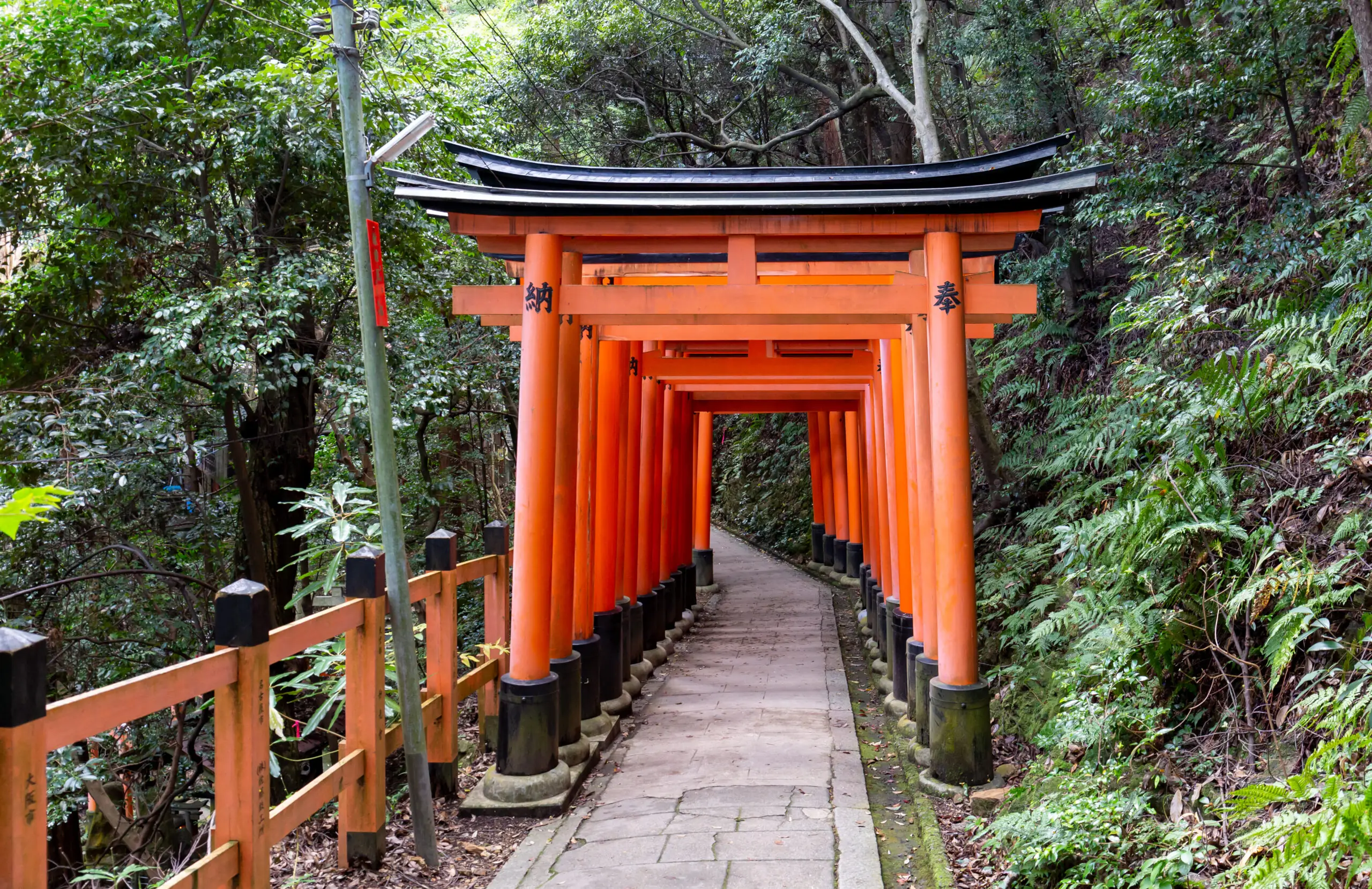
At Fushimi Inari, the thousands of gates are dedicated to the Shinto kami (spirit) of rice and commerce. The mountain paths are guarded by stone fox statues; local folklore suggests the foxes are the deity’s messengers, a popular story that adds an air of mysticism to the hike. For a completely different atmosphere, the austere, meticulously raked gravel at the Ryōan-ji Zen rock garden invites quiet contemplation, forcing you to slow down and simply observe.
The Reality of Gion
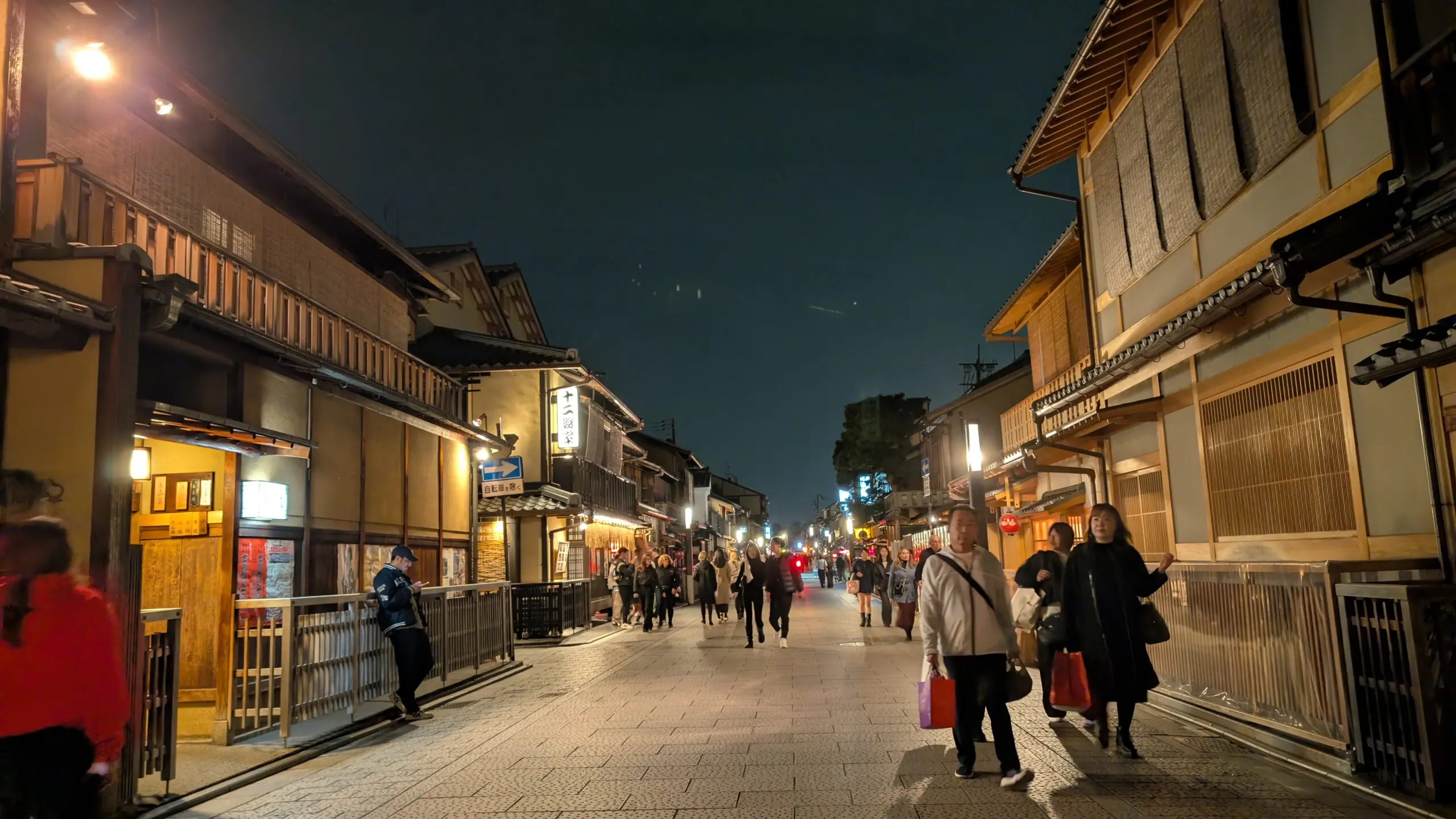
The historic district of Gion is synonymous with the traditional entertainers often mislabelled in the West as “geisha.” In Kyoto, they are known as geiko, and their apprentices as maiko. It is essential to understand that they are highly trained, respected artists of dance, music, and conversation—not the outdated cliché.
Because Gion is a living, working neighbourhood, visitor etiquette is critical. Following years of tourist harassment and invasive behaviour, local authorities have permanently closed several of Gion’s private alleys to tourist photography. The rule is simple and must be respected: stick to the main public thoroughfares and never interfere with a geiko on her way to an engagement.
Tea, Kaiseki, and the Machiya
Kyoto is the cultural counterweight to Tokyo. While Tokyo is a vertical, neon-drenched metropolis, Kyoto remains lower, slower, and deeply tied to tradition. This is best experienced through its hospitality.
A traditional machiya (wooden townhouse) or a night in a ryokan (inn) offers an immersion into Japanese domestic architecture: sliding paper screens, tatami mat floors, and futons laid out at night. It is here you can experience a multi-course kaiseki dinner, where local, seasonal ingredients are prepared and plated with astonishing precision. A ryokan stay usually involves an onsen (hot spring) or public bath, which comes with strict etiquette—namely, washing thoroughly before entering the communal water. To appreciate the Japanese concept of wabi-sabi (finding beauty in simplicity and imperfection), seek out a quiet, formal matcha tea ceremony.
Navigating the Seasons and the Crowds
The reality of modern Kyoto is overtourism. The major sites are often heavily congested. To find the soul of the city, you must accept the trade-off of the seasons: the famous spring cherry blossoms and the brilliant red momiji (maple leaves) of late November are staggeringly beautiful, but they bring crushing crowds.
If you want peace, wake up before dawn to visit the headline temples, and spend your afternoons at the smaller, half-empty shrines that are often just a ten-minute walk from the famous sites. My own sharpest memory of Kyoto was stepping off a crowded street in Higashiyama into a tiny, unnamed temple courtyard. An elderly monk was sweeping the moss with a bamboo broom. He nodded, pointed to a wooden bench, and let me sit in absolute silence for half an hour while the chaos of the city continued just beyond the wall.
Logistically, Kyoto does not have its own airport; most international visitors arrive via Kansai International Airport (KIX) near Osaka, taking a direct express train into Kyoto station. Also bear in mind that Japan is visa-free for short stays for most Western passports, and the Visit Japan Web service streamlines immigration, but always check current entry requirements before you travel.
FAQ
When is the best time to visit Kyoto?
Spring and autumn are visually spectacular but incredibly crowded. For a quieter experience, consider visiting in late winter (February) when the plum blossoms appear, or the early summer before the humidity peaks.
How do I get to Kyoto from the airport?
The easiest route is to fly into Kansai International Airport (KIX) in Osaka and take the Haruka Express train, which brings you directly to Kyoto Station in about 75 minutes.
Can I photograph geiko and maiko in Gion?
You may not photograph them in the private alleys of Gion, which are strictly off-limits. Even on public streets, it is considered highly disrespectful to follow, block, or harass them for a photo.
How many days do I need in Kyoto?
Four days is a solid minimum. This allows you to explore the major temples early in the day, wander the historic districts, and experience a traditional tea ceremony or kaiseki meal without rushing.
Images: Balon Greyjoy / CC0; Joli Rumi / CC BY-SA 4.0; Jakub Hałun / CC BY 4.0. Source: Wikimedia Commons.
Read also
- Tokyo Guide: From Temples to Neon Lights
- Interesting facts about Yokohama
- Resorts of Turkey: Kas – sea, mountains and Lycian sketch.


