
Two Cities and a River
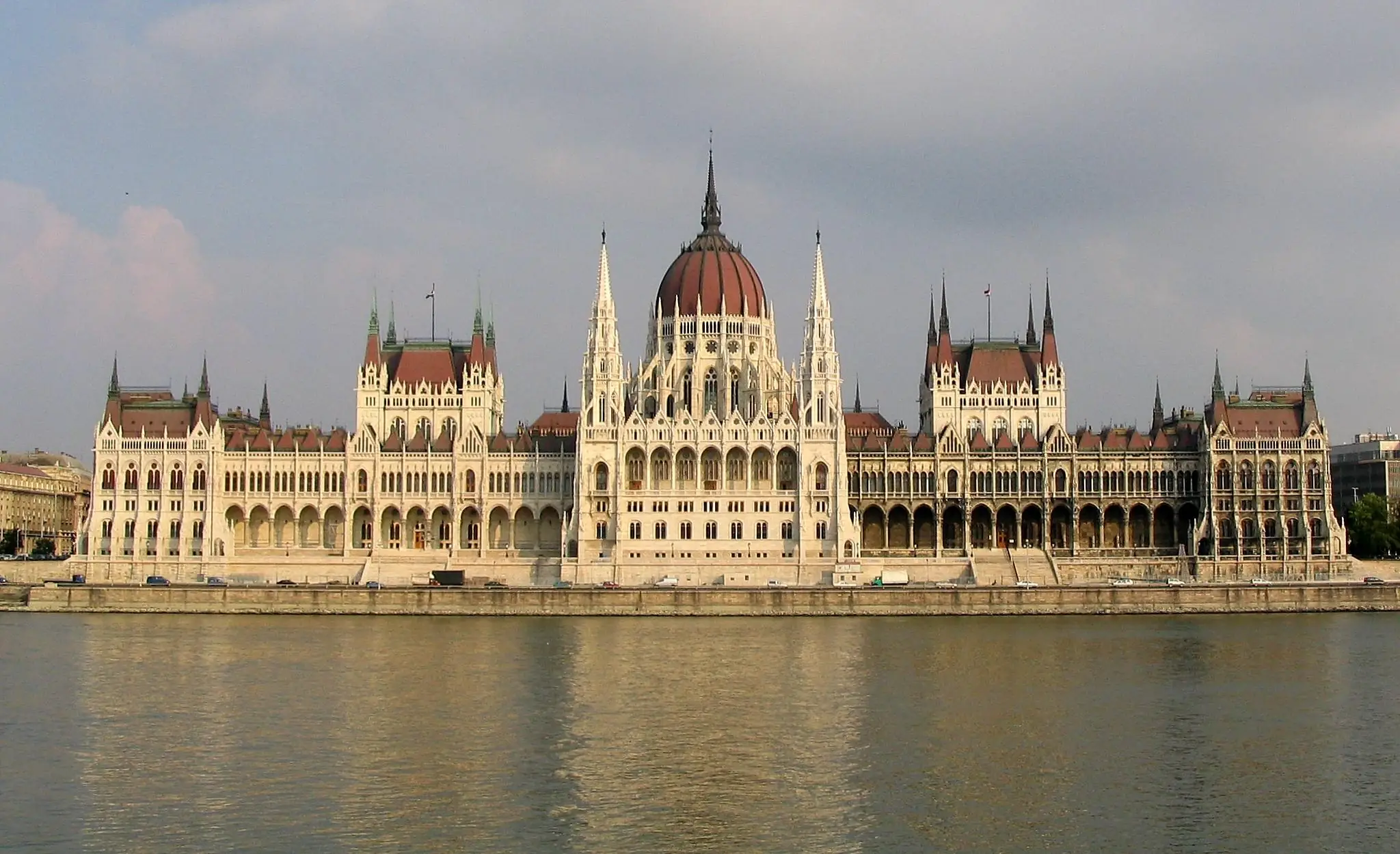
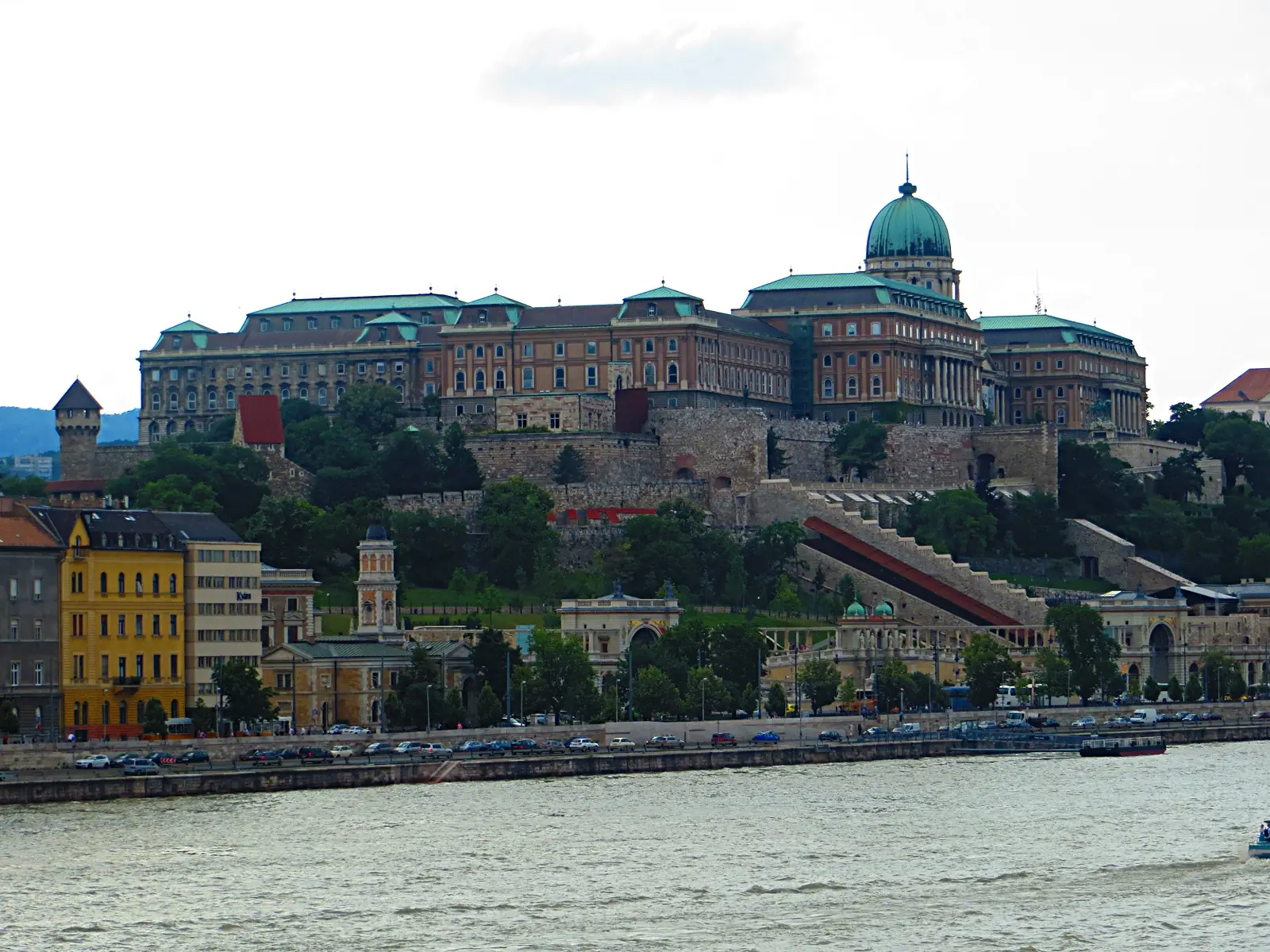
To understand the map of Budapest, you must understand that the Danube does not simply run through it; the river is the city’s spine, and the grand bridges are its stitches. Buda and Pest were originally entirely separate towns, and their geography dictates their character. Buda sits on the hilly western bank, holding the old Castle district and a quieter, more residential atmosphere. Pest spreads out across the flat eastern bank, containing the grand 19th-century boulevards, the Parliament, and the intense energy of the nightlife.
While tourism marketing often leans heavily on the “Paris of the East” branding, this is a romantic 19th-century legend that obscures the city’s far more complex identity.
The Bathing Culture
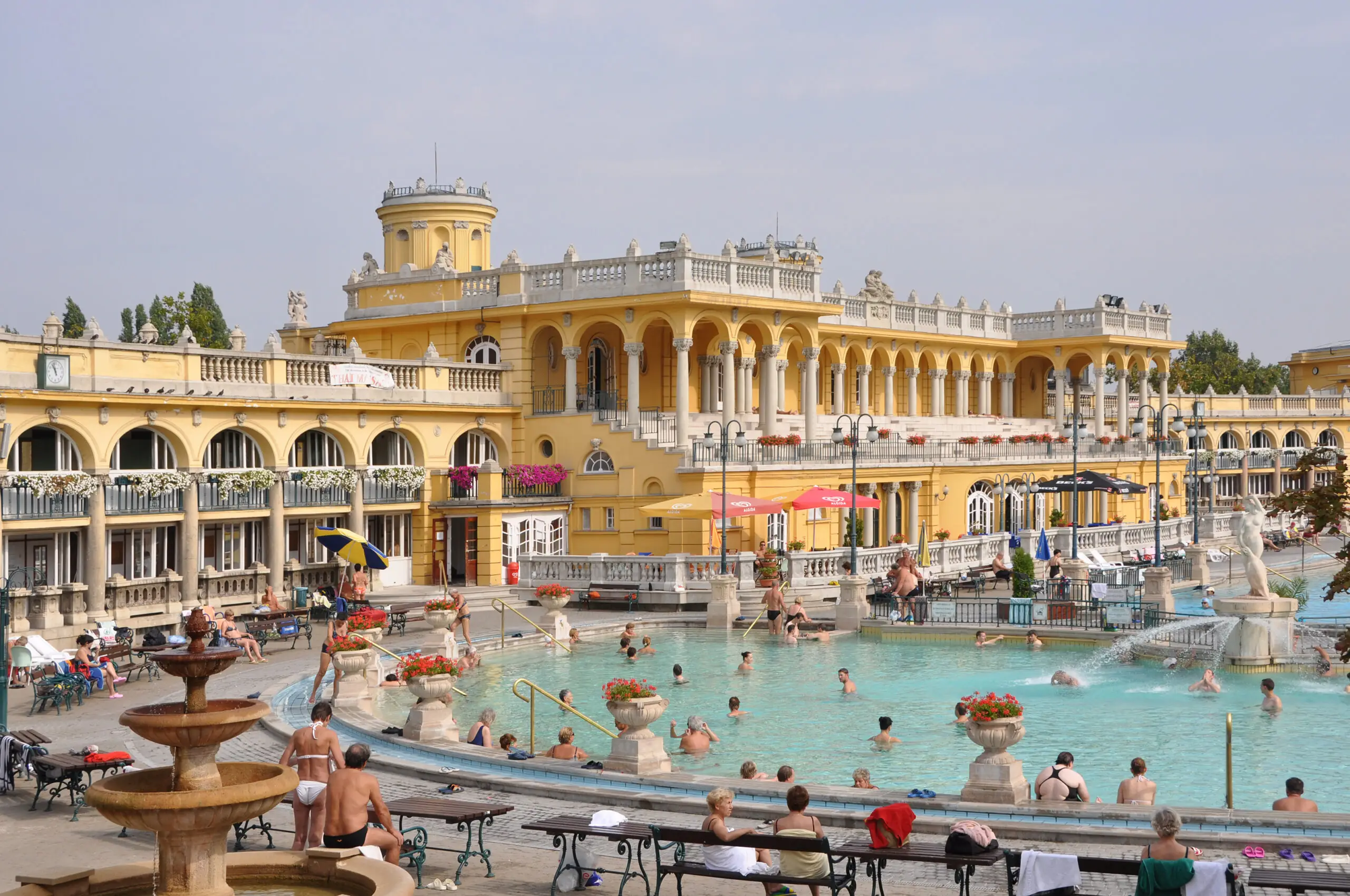
The city physically sits on a vast network of natural hot springs, making the thermal baths a genuine everyday institution rather than a contrived tourist spa experience. The bathing culture bridges the city’s architectural eras: you can soak beneath the sweeping Art Nouveau mosaics of Gellért, join the crowds in the palatial Széchenyi, or sit under the heavy stone dome of the Rudas baths, which dates back directly to the city’s 16th-century Ottoman layer. The etiquette here is unhurried and distinctly local.
Grandeur and Residue
In Pest, the sweeping Austro-Hungarian imperial architecture—the wide sweep of Andrássy Avenue, the Opera House, and the grand, high-ceilinged coffee houses—is impossible to ignore. But this Habsburg elegance sits directly over the brutal residue of the 20th century.
Budapest endured two world wars, a devastating siege, and the 1956 uprising that was violently crushed by Soviet tanks. The long communist decades that followed have left their own physical mark on the city. You can feel this weight at the House of Terror museum on Andrássy Avenue, or at Memento Park on the city’s outskirts, where the colossal, relocated Soviet statues now stand in silent exile. You have to hold the elegance and the heavy history in the same frame to see the city clearly.
The Old Ghetto and the Ruin Bars
This layering is most intense in District VII, the old Jewish quarter. The area is anchored by the breathtaking Dohány Street Synagogue—the largest in Europe—and carries a profound, tragic history as the walled WWII ghetto. Today, these exact streets are the epicentre of the city’s famous ruin bars, with venues like Szimpla Kert built directly into the courtyards of crumbling, war-scarred apartment blocks. It requires a certain mental agility to hold both realities honestly: the thumping, kinetic energy of the modern nightlife, and the immense, sombre weight of the history sitting directly beneath it. It is vital to acknowledge the gap rather than smoothing it over.
The Modern Reality
The massive success of the ruin bars has brought heavy party-tourism and intense short-let pressure, which is actively hollowing out the everyday residential life of District VII. Beneath the surface of the grand architecture, you will also sense the friction of the country’s current, highly debated political turn—a complex national reality that locals navigate daily, far removed from the river cruises and thermal spas.
My clearest memory of the city’s layered nature came while riding the yellow Line 1 of the Metro—the oldest underground on the continent. As the tiny, rattling carriage pulled into Opera station, a young woman in heavy clubwear sat opposite an elderly man reading a broadsheet newspaper, both swaying in perfect unison beneath the intricate 19th-century tilework.
If you are planning a trip, note that most Western visitors enter Hungary (part of the Schengen Area) visa-free for short tourist stays, though the EU’s ETIAS system is currently being phased in. You should always check current entry requirements before booking.
FAQ
Is Budapest worth visiting?
Absolutely. It is one of Europe’s most architecturally striking and historically layered cities, offering an intensity and a distinct thermal-bath culture that you will not find further west.
Which thermal baths should I visit in Budapest?
Széchenyi is the largest and most famous for its vast outdoor pools. Gellért offers stunning Art Nouveau indoor architecture, while Rudas is the oldest, dating to the city’s 16th-century Ottoman layer.
Buda or Pest — where should I stay?
Stay in Pest if you want to be within walking distance of the ruin bars, the grand cafés, and the majority of the dining scene. Stay in Buda if you prefer a quieter, more residential atmosphere with elevated views back across the river.
What’s the best time to visit Budapest?
May, June, and September offer warm weather and long evenings along the Danube. Winter is bitterly cold, but the city looks spectacular under snow, and the outdoor thermal baths are arguably at their best when the air is freezing and the steam is thickest.
Images: Dirk Beyer / CC BY-SA 3.0; Mister No / CC BY 3.0; Marc Ryckaert (MJJR) / CC BY 3.0. Source: Wikimedia Commons.
Read also
- Salzburg: City of music, history and alpine scenery
- Loire Valley: The Magic of Castles and Wines of France
- Soligorsk – Central district


