

The Rhythm of the Streets
Music is genuinely woven into the daily texture of Havana. The sounds of son cubano, trova, and salsa spill onto the pavements organically. However, as a visitor, you must navigate the legacy of the Buena Vista Social Club. Since the 1990s, that specific nostalgic sound has been heavily marketed to foreign ears. The polished, expensive shows put on for tour groups are highly professional, but the true musical heart of the city is found in the smaller, intensely local neighbourhood bars and community centres, where the music is raw, unscripted, and played for the sheer joy of it.
The famous “Hemingway drank here” trail requires a similarly clear eye. The plaques and bronze statues at La Bodeguita del Medio and El Floridita are essentially a tourist legend, leaning heavily into marketing rather than history. For a genuine, quieter sense of the writer’s life in Cuba, you have to leave the centre and visit Finca Vigía, his actual home on the outskirts of the city.
Crumbling Grandeur
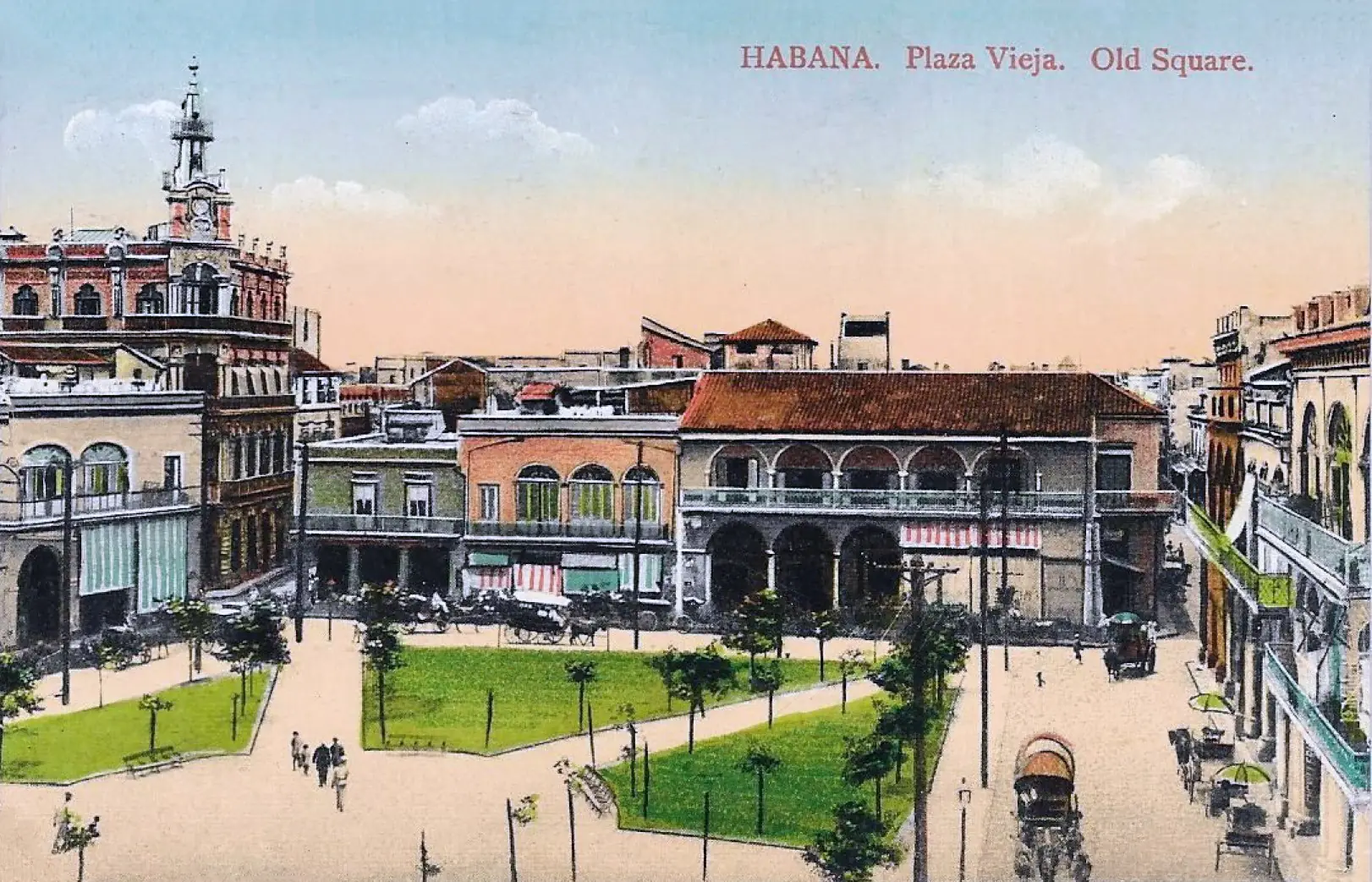
Habana Vieja (Old Havana) is a study in contrasts. The great colonial squares—Plaza Vieja, the Plaza de la Catedral—have been meticulously restored to a UNESCO-grade polish. But step one street back from the main thoroughfares, and the reality changes abruptly. The architecture is genuinely crumbling. It is vital not to romanticise this decay as mere “faded grandeur” or a bohemian aesthetic; these are people’s homes, and a collapsing roof or a leaking wall is a daily, stressful reality, not a photo opportunity.
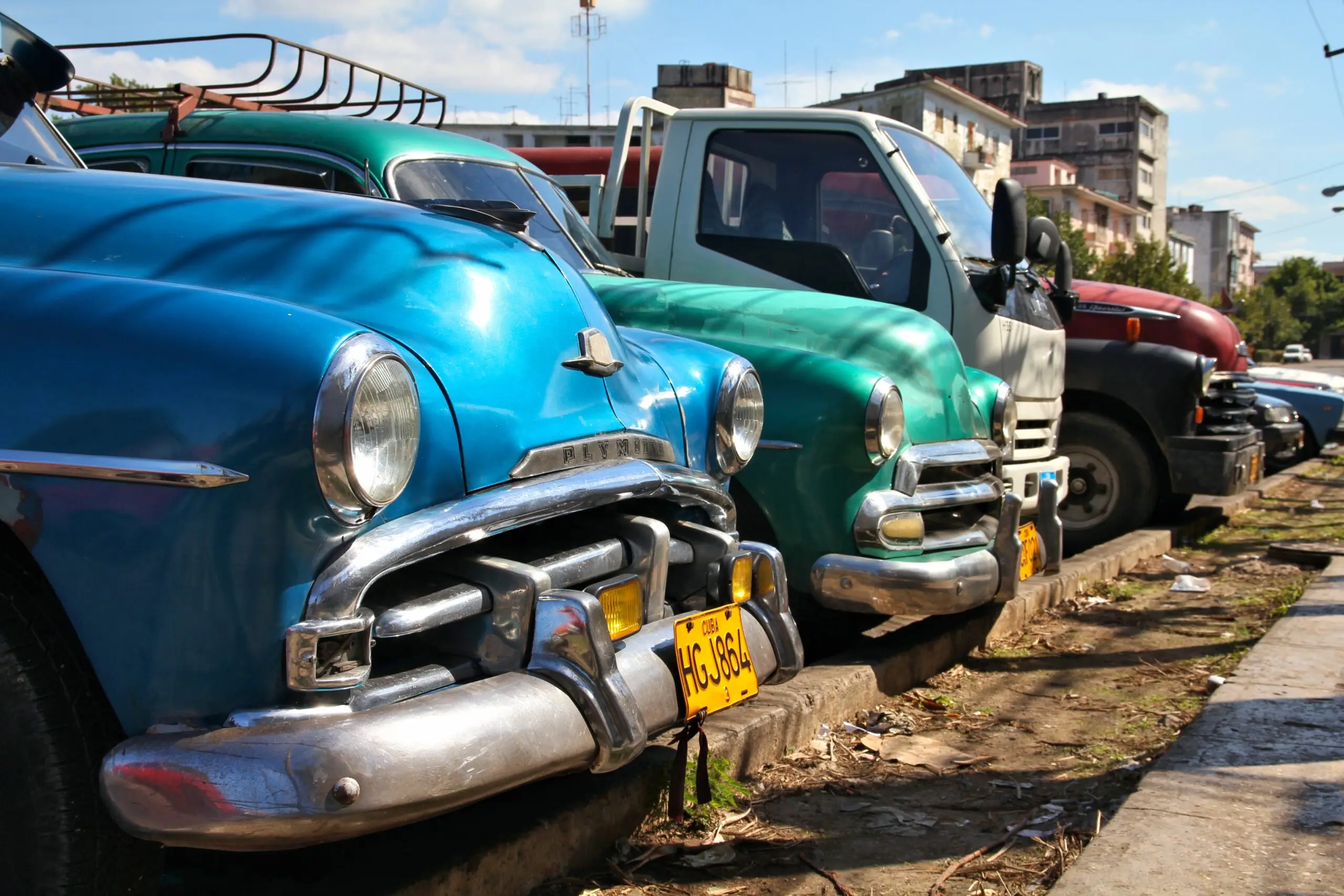
The city is famous for its classic 1950s American cars. They survive due to astonishing mechanical ingenuity in the face of a decades-long embargo. But hold both truths in your mind: while they are marvels of necessity, the candy-coloured, immaculate convertibles lined up by the Capitolio today are entirely props for the tourist economy, kept shiny for paid joyrides rather than daily commuting.
The Reality of the Economy
Navigating Havana requires an understanding of its incredibly difficult economic situation. The old dual-currency CUC was scrapped in 2021, and today travellers face a confusing blend of a formal peso economy and a highly volatile informal hard-currency layer. There are very real, persistent shortages of basic goods. You must travel with patience, bring your own essential medications and toiletries, and seek current local advice on how best to handle your cash upon arrival.
Because of this, the most meaningful way to experience the city is by staying in a casa particular (a private homestay) and eating at paladares (privately run restaurants). Not only does this put your money directly into the hands of local families, but it is also where you will find the warmest hospitality and the most honest texture of daily life.
My own sharpest memory of Havana came during a sudden, torrential afternoon downpour. I ducked under a crumbling colonnade in Centro Habana, waiting it out alongside an older man in a faded guayabera shirt. Without a word, he produced a battered flask, poured a small capful of dark rum, and offered it to me with a nod. It was a small, unprompted gesture of shared humanity in a city that is defined by its ability to cope with whatever the day brings.
If you are planning a trip, be aware that Cuba is not a visa-free destination. Most visitors require a tourist card (tarjeta del turista) and must complete the online D’Viajeros form. US travellers face strict additional category and affidavit rules. The regulations are complex, so you must carefully check current requirements before you travel.
FAQ
When is the best time to visit Havana?
The dry season from late November to April is the best time to visit. The summer months are intensely hot and humid, and the risk of hurricanes peaks between August and October.
Do I need a visa for Cuba?
Yes, almost all visitors require a tourist card (tarjeta del turista) purchased in advance, alongside a mandatory online customs and health declaration. Rules for US citizens are significantly more complex.
Where can I hear authentic live music in Havana?
While the famous bars in Habana Vieja offer polished, tourist-focused shows, seek out local venues in neighbourhoods like Vedado, or look for community music spaces (casas de la trova) for a rawer, more authentic sound.
Is it better to stay in a casa particular?
Yes, absolutely. Staying in a casa particular provides a much more authentic, personal experience than a state-run hotel, and it directly supports local Cuban families.
Images: PLBechly / CC BY-SA 4.0; Marek Ślusarczyk (Tupungato) Photo portfolio / CC BY 3.0; Edicion Jordi, Havana (publisher) / Public domain. Source: Wikimedia Commons.
Read also
- Cheap flights to Rio de Janeiro: Galeão vs Santos Dumont, the routing, and a smart airport transfer
- Buenos Aires: Your Ultimate Travel Guide to Argentina’s Vibrant Capital
- Interesting things about Jamaica


