
Trade and the British Connection
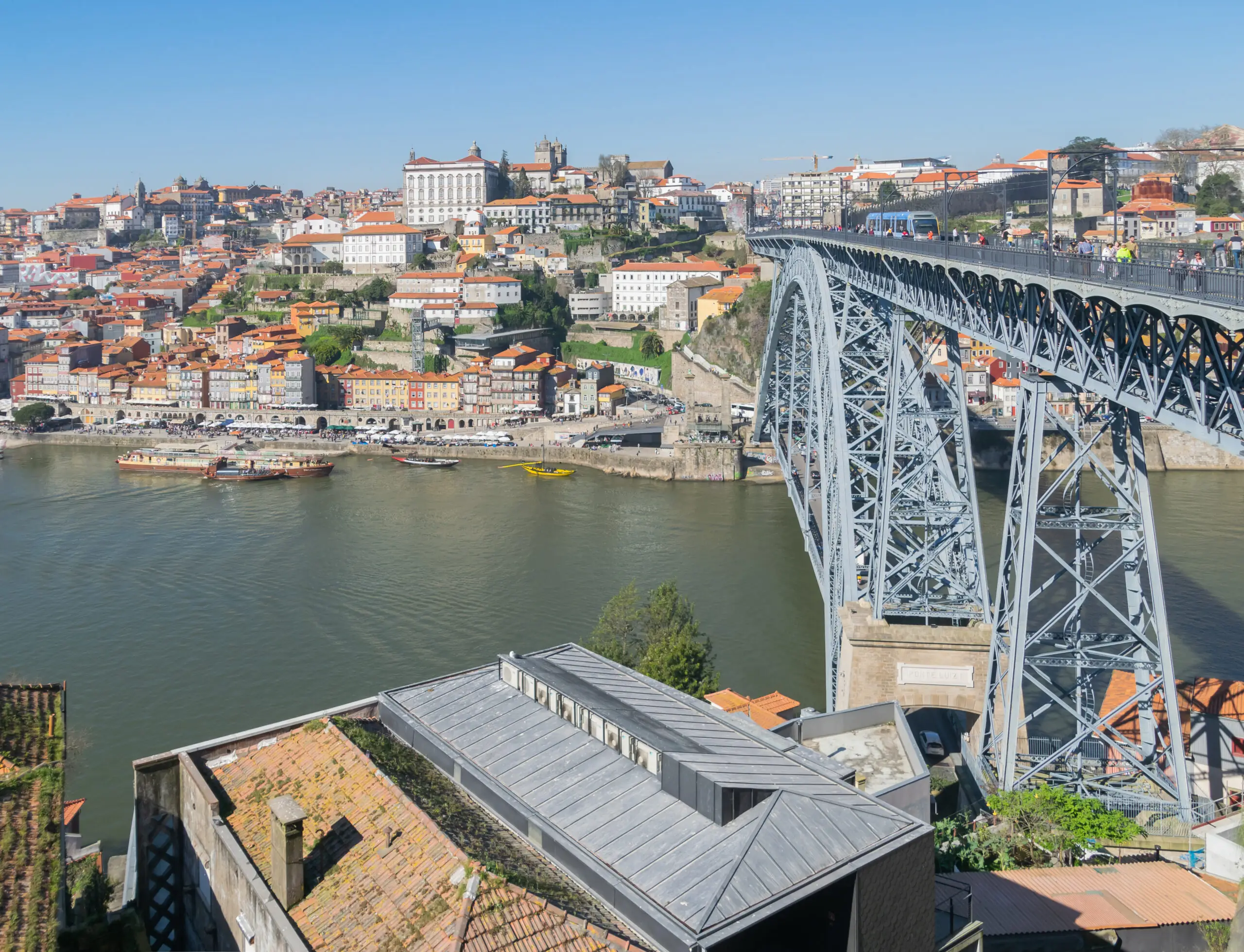
The history of Porto is inextricably tied to the river that flows through it. The Douro was the commercial artery that carried barrels of wine down from the terraced vineyards deep in the valley. The resulting port-wine trade was largely shaped by a centuries-old Anglo-Portuguese commercial alliance, which is why the massive lodges across the river in Vila Nova de Gaia—technically a separate city—bear names like Taylor’s, Graham’s, and Sandeman.
It is important to view this history honestly. The wealth of these grand merchant houses was built on the punishing, back-breaking labour of the local workers who navigated the treacherous river and hauled the heavy casks. Today, the cool, dark cellars in Gaia remain the traditional home of the wine’s ageing process, and the tasting culture there should be understood as a genuine piece of the region’s heritage, not just a slick sales pitch.
Granite and Azulejos
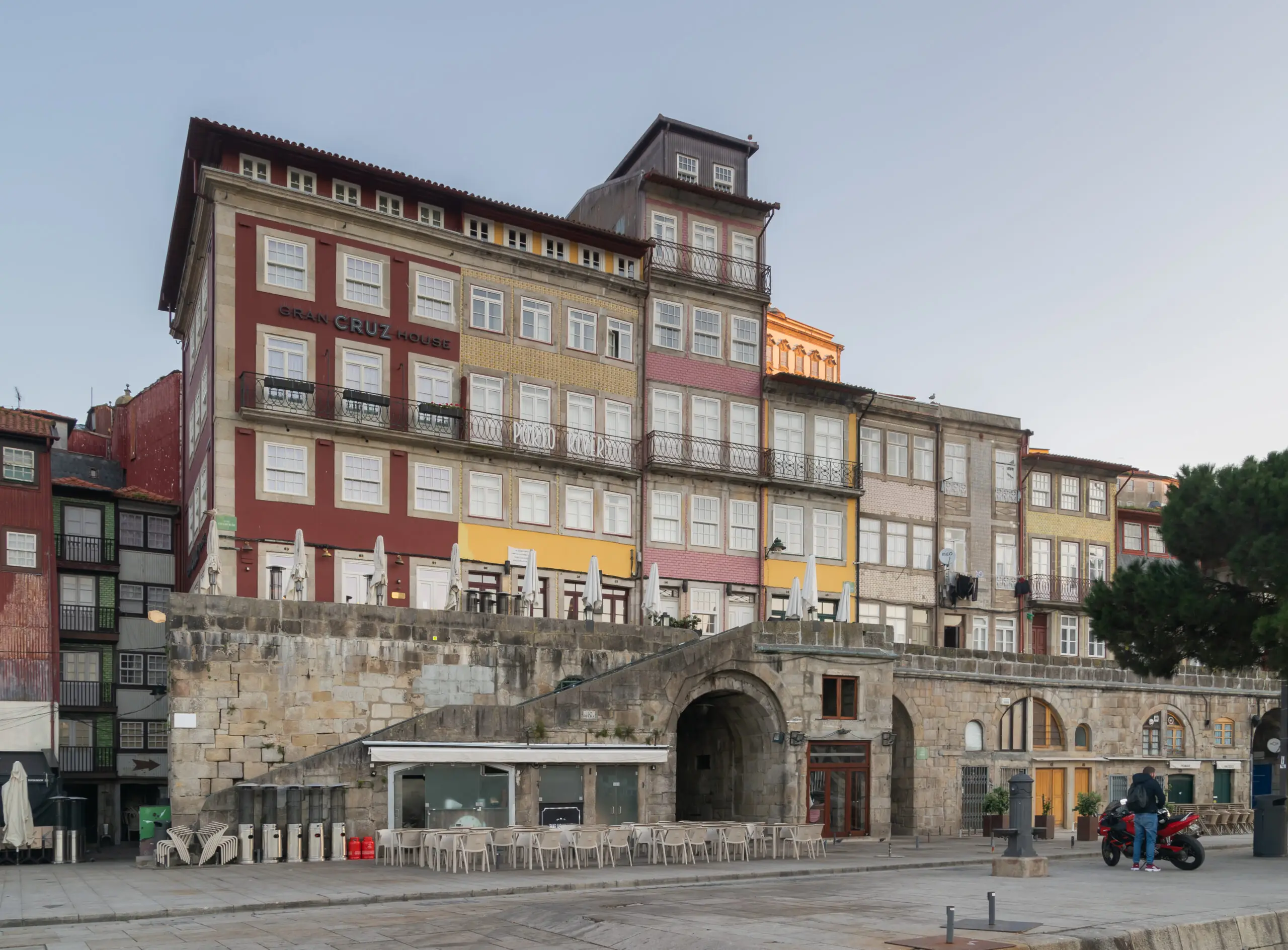
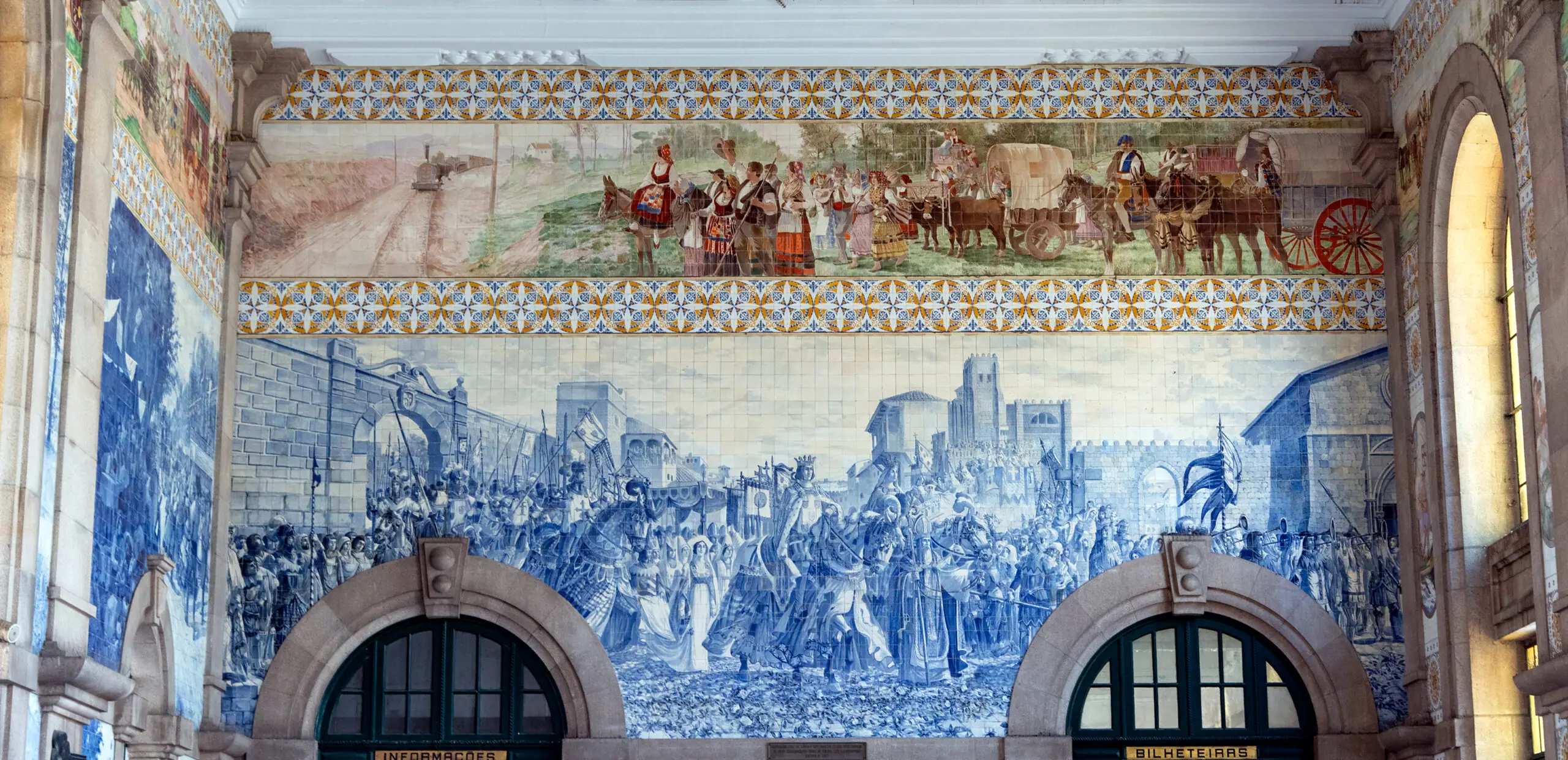
The fabric of Porto itself is heavy and enduring. The city is defined by massive granite Baroque churches and steep, worn lanes that pitch dramatically down to the Ribeira district. Contrasting with this grey stone are the famous azulejos—the brilliant blue-and-white tiles that cover the walls of the Carmo church and the interior of the São Bento railway station. On social media, these are often treated as mere photo backdrops, but they are an everyday, lived-in surface. There is a sharp, necessary contrast between these pristine, polished ceramic panels and the gritty, deeply weathered working city that surrounds them.
Food and the Tripeiro Legend
Porto’s food is as heavy and unapologetic as its architecture. The most famous export is the francesinha, a famously massive, heart-stopping sandwich drowned in a rich beer-and-tomato sauce. However, the true soul of the city’s kitchen is tripas à moda do Porto (a heavy tripe and bean stew). Because of this dish, locals are proudly nicknamed tripeiros.
Local folklore claims that during the 15th-century Age of Discovery, the citizens of Porto gave all their good meat to the departing fleets, leaving only the offal for themselves. It is a fierce, noble origin legend that perfectly captures the city’s self-image of sacrifice and hard work, though historians point out it is exactly that—a patriotic story rather than documented fact.
The Modern Reality
Today, Porto is facing the same intense modern pressures as Lisbon. The sudden explosion of global tourism has led to an influx of short-term holiday rentals, driving up prices and rapidly displacing locals from the historic centre. To find the ordinary, everyday rhythm of the city, you must step back from the photogenic core and visit the revived Bolhão market or the traditional, unpretentious cafés where the real life of the city continues.
My own sharpest memory of Porto was stepping into a tiny, damp grocery store on a steep backstreet in the rain. An elderly woman in a heavy wool cardigan was carefully weighing out salt cod on a brass scale, complaining loudly to the shopkeeper about the weather, completely oblivious to the massive cruise ships docked down on the river.
If you are planning to travel, entry is generally straightforward. Most Western visitors enter Portugal (and the wider Schengen Zone) without a visa for short tourist stays. However, the EU’s ETIAS pre-authorisation system is currently being phased in, so you must carefully check current entry requirements before you fly.
FAQ
Is Porto worth visiting?
Yes, it is a magnificent, deeply atmospheric city. It feels tougher, heavier, and less polished than Lisbon, offering a distinctive northern character rooted in its trade history and striking geography.
What is port wine and where do you taste it?
Port is a fortified wine produced from grapes grown in the Douro Valley. While the grapes are grown inland, the wine is traditionally aged and tasted in the historic lodge cellars located across the river from Porto in Vila Nova de Gaia.
How many days do you need in Porto?
Two to three days is ideal to explore the steep historic centre, cross the bridge to the port lodges in Gaia, and experience the heavy, traditional local food.
What’s the best time to visit Porto?
Late spring (May to June) and early autumn (September to October) offer the best balance of pleasant weather and manageable crowds. The winter months can be quite cold, damp, and grey.
Images: Krzysztof Golik / CC BY-SA 4.0; Peter K Burian / CC BY 4.0. Source: Wikimedia Commons.
Read also
- Lisbon: Trams, Tiles and the Reality of the Climb
- Loire Valley: The Magic of Castles and Wines of France
- A little about Budapest


