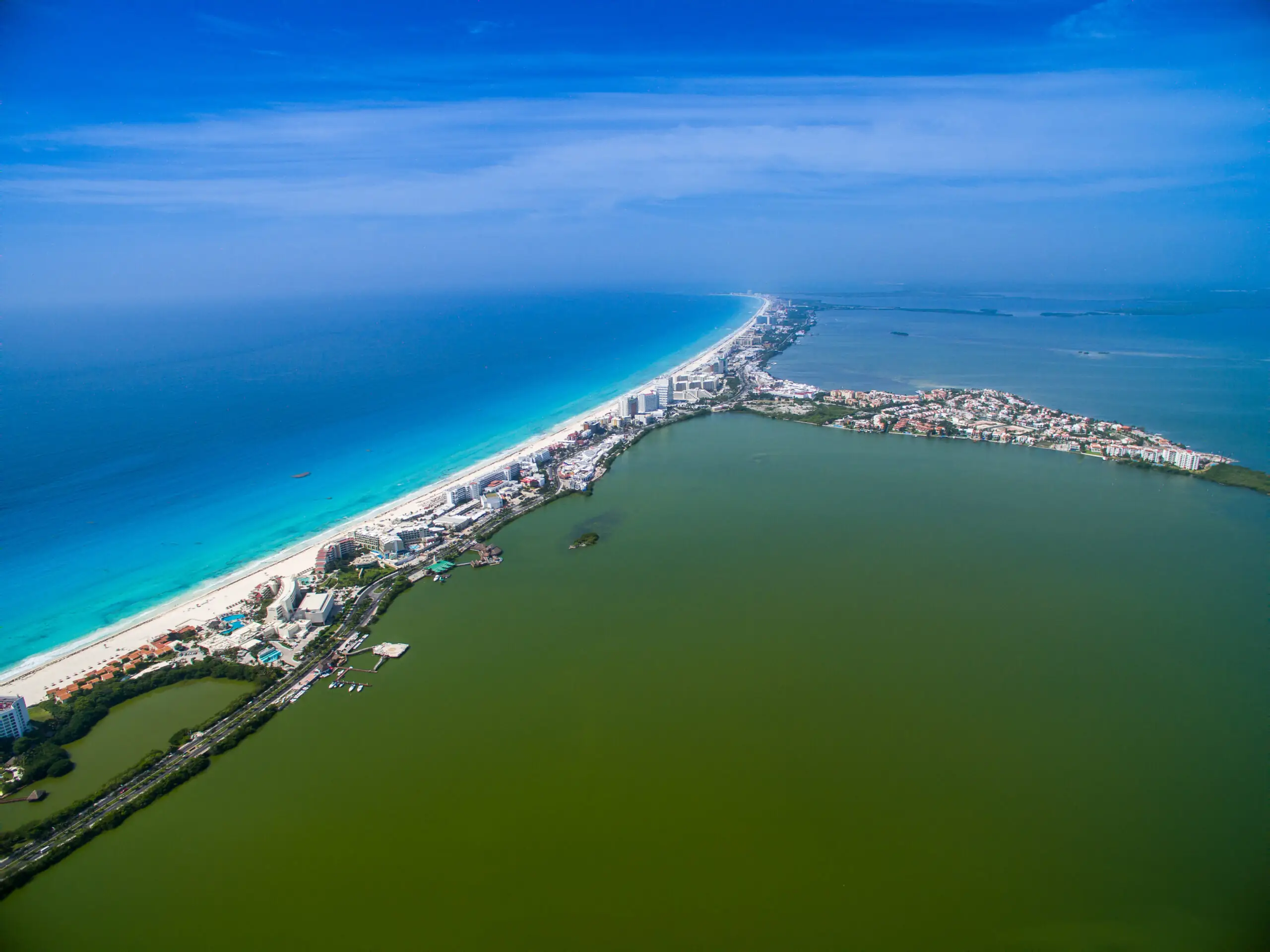

Cancún International Airport (CUN) is the primary gateway for the entire Riviera Maya, handling international flights for travelers bound for the Hotel Zone, Playa del Carmen, Cozumel, and Tulum. Because it is one of Mexico’s busiest hubs, navigating the airport and coordinating your onward transfer requires planning. If you do not understand the logistics of the arrivals terminal and the distances along the coast, a cheap flight deal can quickly turn into a stressful arrival.
The Arrivals Gauntlet
The arrivals area at CUN is structured in a way that funneling passengers into sales pitches is highly profitable.
Once you clear customs and retrieve your bags, you will pass through a final exit corridor before reaching the street. This corridor is filled with booths staffed by agents wearing official-looking lanyards. They will call out to you, offering tourist information, free maps, or cheap transportation vouchers.
Their real goal is to get you to sign up for a timeshare presentation. Do not stop to speak with anyone in this zone. Official transport coordinators, pre-booked drivers, and public bus tickets are located outside the terminal building at the curb.
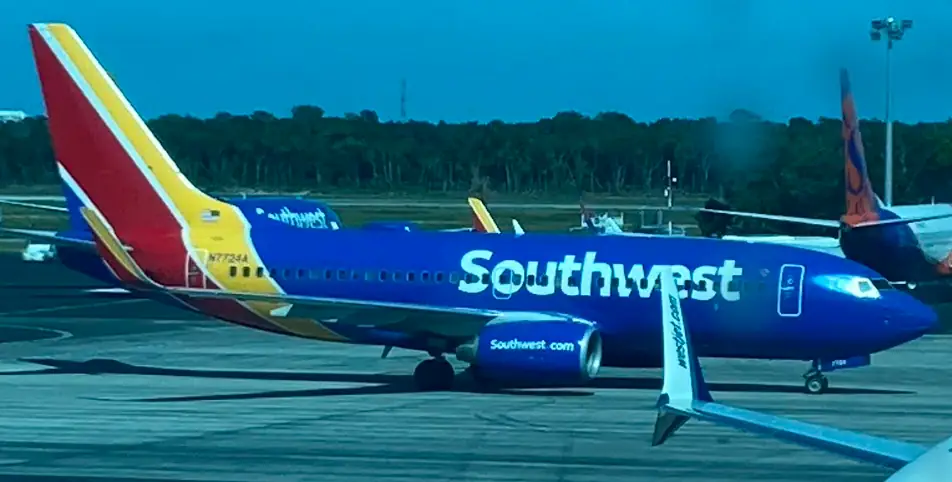
Multiple Terminals at CUN
Cancún International Airport operates several passenger terminals, and they are not connected by pedestrian walkways.
- Terminal Locations: Most international flights from the US, Canada, and Europe arrive at Terminal 3 or Terminal 4.
- Transit Between Terminals: If you need to transfer between terminals for a connecting flight, a free airport shuttle runs periodically, but it can be slow. A private taxi between terminals is pricey.
- Departure Planning: When returning home, verify your departure terminal before leaving your hotel. Arriving at the wrong terminal can lead to a rushed transfer and a missed flight.

Getting to Your Resort: The Coast is Long
Many travelers book flights to Cancún without realizing how far their resort actually is from the airport. The Riviera Maya is a long stretch of coastline, and travel times vary significantly:
- The Hotel Zone: Located close to the airport, typically a fifteen- to thirty-minute drive.
- Playa del Carmen: Roughly an hour’s drive south of the airport.
- Tulum: Located further south, taking between ninety minutes and two hours to reach depending on highway traffic.
To get down the coast, you have three main transfer options. A pre-booked private transfer is the most convenient way to reach your hotel directly. The ADO bus system is a cheap and reliable public coach service running directly from CUN terminal exits to downtown bus stations in Playa del Carmen and Tulum. Colectivos (shared local vans) are available for budget travelers, but they require taking the ADO bus to a downtown hub first.
The Tulum Airport Alternative
For travelers bound for the southern end of the coast, there is a new option. Tulum opened its own international airport, Felipe Carrillo Puerto (TQO), in late 2023.
While CUN handles the vast majority of international flights, select carriers now offer direct flights from major US cities to TQO. If your final destination is Tulum or Bacalar, compare the fare difference. A slightly pricier ticket directly to TQO can save you a two-hour taxi ride or bus trip from Cancún. Routes to TQO are still evolving; check availability and compare total transit times before booking.
Hurricane Season and Seaweed Influx
Cancún’s seasonal pricing is heavily tied to the weather and environmental patterns:
- Dry Season (December through April): The peak tourist window, featuring sunny days and mild temperatures. Flight fares and accommodation costs are at their highest during these months.
- Hurricane Season (June through November): The low season. Fares are significantly discounted, but you face tropical storms and hurricane risks, particularly from August through October.
- Sargassum Seaweed: The warmer summer months also bring massive influxes of sargassum seaweed to the beaches, which can affect swimming conditions.
Entry Requirements
Visitors holding passports from the US, UK, Canada, Australia, and EU countries enter Mexico visa-free for tourist stays up to 180 days.
The traditional paper FMM (Forma Migratoria Múltiple) tourist card has been phased out at Cancún airport. Immigration officers now stamp your passport and write the allowed number of days directly on it. Keep your passport secure, as you must present it upon departure. Entry rules can change; verify current requirements before booking.
FAQ
How do I get from Cancún airport to my hotel?
You can take a pre-booked private transfer, use the official taxi desks outside the terminal, or ride the ADO public bus. The ADO bus runs directly from the airport to downtown Playa del Carmen and Tulum.
Is the Cancún airport timeshare hustle real?
Yes. The corridor between baggage claim and the exit is lined with timeshare sales booths. The staff wear lanyards and pose as transport helpers. Ignore them and walk completely outside to the curb to find your ride.
Should I fly into Cancún or Tulum (TQO)?
If your resort is in Tulum or further south, flying into Tulum Airport (TQO) will save you a two-hour drive from Cancún. Compare flight prices and routes, as CUN still offers more frequent flights and cheaper options.
When are flights to Cancún cheapest?
Flights are generally cheapest during the late summer and early autumn months of August through October, during the peak of the Atlantic hurricane season.
Images: dronepicr / CC BY 2.0; Youravreageavaitor / CC BY-SA 4.0; Carlos Valenzuela / CC BY-SA 4.0. Source: Wikimedia Commons.
Read also
- Buenos Aires: Your Ultimate Travel Guide to Argentina’s Vibrant Capital
- Brazilian beaches
- Cheap flights to Rio de Janeiro: Galeão vs Santos Dumont, the routing, and a smart airport transfer


