

Dublin is not just a popular leisure destination; it is a major transatlantic gateway. Because of the city’s geographical position and a unique immigration arrangement with the United States, it serves as a massive connecting point for travelers crossing the ocean. If you want to plan your flight, connection, or transfer like an operations analyst, you need to understand how the preclearance system, the local transit limits, and the border rules affect your travel timing.
US Preclearance: The Dublin Advantage and the Time Cost
The single most useful feature of Dublin Airport (DUB) is the US Customs and Border Protection (CBP) preclearance facility. Dublin is one of the few airports outside North America that offers this service.
Under this system, you clear US immigration, customs, and agricultural inspections in Dublin before you board your flight. When your plane lands in the United States, you walk off the jet bridge as a domestic arrival. You skip the massive customs queues at hubs like JFK or Chicago O’Hare, collect your bags, and can walk straight to the street or connect to a domestic flight without re-checking your luggage.
However, this convenience carries a time penalty at the start of your day. Because you must clear both Irish airport security and the US CBP checkpoint, you cannot show up to DUB at the last minute. The CBP facility has its own queues, baggage imaging systems, and security lines. If you are flying to the US, you need to arrive at the airport at least three hours before departure to ensure you clear the second border check before your gate closes.
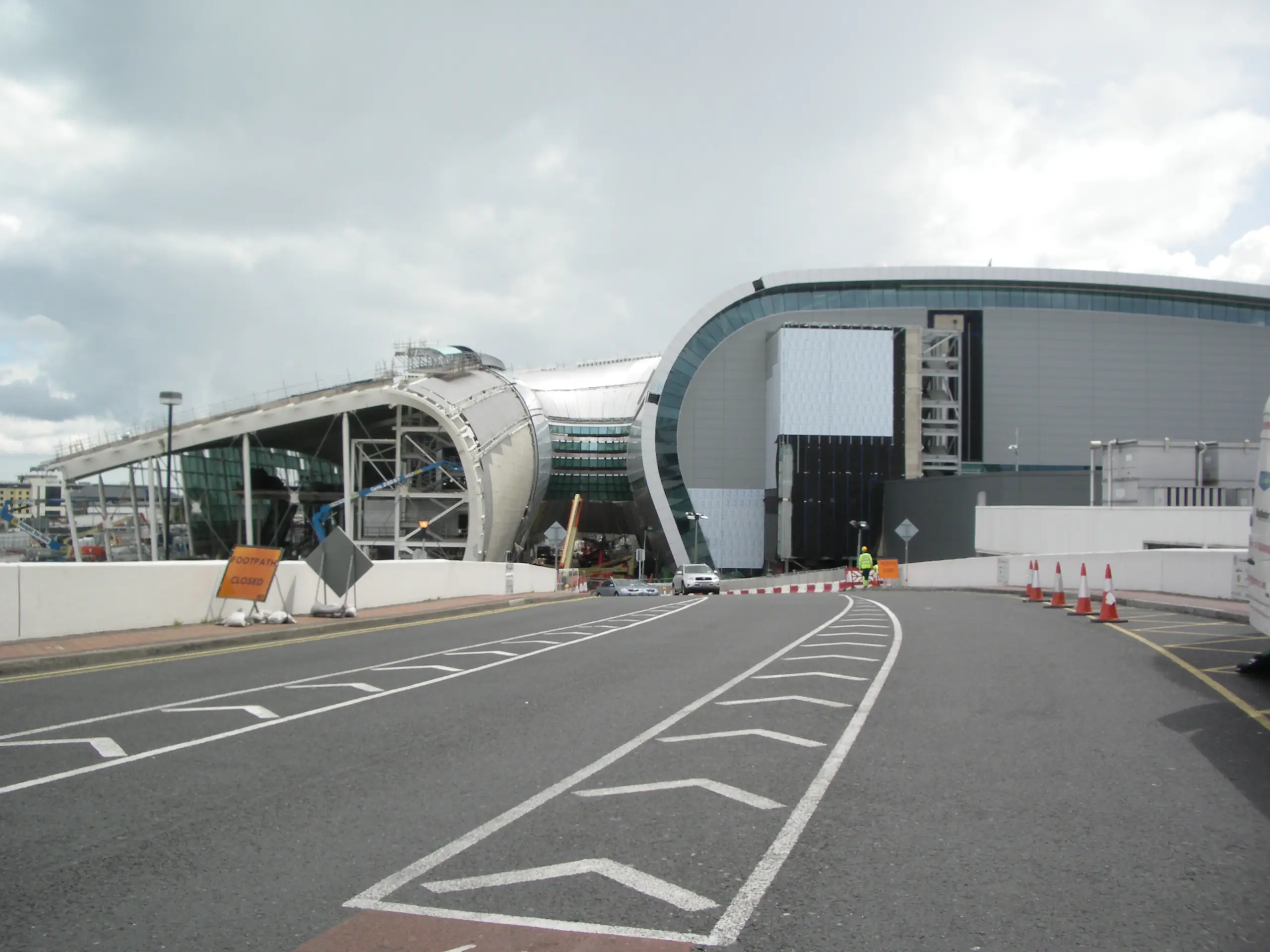
Dublin as a Transatlantic and Budget Gateway
Dublin Airport serves as a dual-purpose aviation hub. It is the global home base of Ryanair, which means DUB is connected to almost every corner of Europe via cheap, low-cost flights.
It is also the primary hub for Aer Lingus, which frequently packages transatlantic flights through Dublin. Because of the preclearance advantage and competitive pricing, routing your Europe-to-US trip via a connection in Dublin is often significantly cheaper than booking a direct flight to the continent.
If you are booking a connecting flight through DUB, pay close attention to layover times. A one-hour connection is standard in some European hubs, but because of the preclearance requirement for US-bound flights, you should aim for a connecting window of at least two hours.
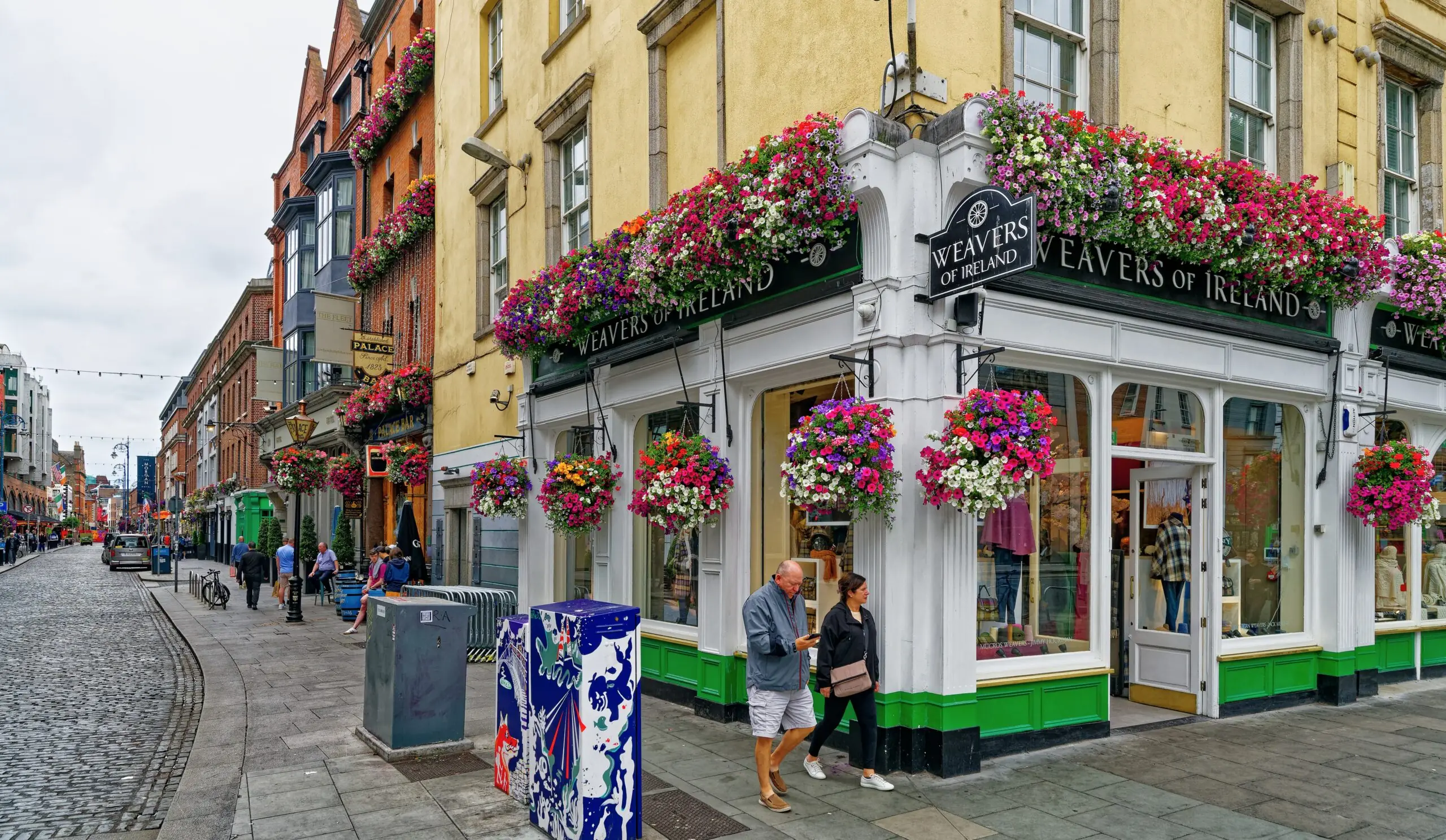
The Transit Reality: The Airport with No Train
A common mistake for first-time arrivals is walking out of the DUB terminal expecting to follow signs to a train or metro line.
Dublin Airport has no rail connection. There is no train, DART rail, or Luas tram line connecting the runways to the city center. The long-debated metro link remains unbuilt.
To get into the city, you have two primary options:
- Express Coaches: Several private operators, including Dublin Express and Aircoach (plus regular Dublin Bus city routes), run frequent services from the curbs outside Terminal 1 and Terminal 2 directly into the city center. The journey takes roughly thirty to forty-five minutes, depending on Dublin’s notorious rush-hour traffic. You can book tickets online or pay at the curb.
- Taxis: Taxis operate from designated ranks outside both terminals. While convenient for groups, they are subject to the same traffic crawls and are a pricy option compared to the express coaches.
Ireland is NOT in the Schengen Area
When planning a multi-stop trip to Europe, you must pay attention to the border rules. Ireland is not a member of the Schengen Area.
Instead, Ireland operates its own border control and maintains a Common Travel Area with the United Kingdom. Because of this, the upcoming European ETIAS travel authorization will not apply to Ireland.
Keep this in mind if you are planning to connect to continental Europe: you will have to clear a full passport control check when transitioning from Ireland to a Schengen country (like France or Germany). Ensure your passport is valid and check visa requirements for both jurisdictions separately before booking your tickets.
Seasons and Holiday Spikes
Dublin’s airfares and hotel prices follow the standard European seasonal patterns, with a few sharp exceptions.
- Summer Peak (June through August): The weather is at its warmest, and crowds are thick. Flights and hotel rates are at their highest, requiring booking months in advance.
- St. Patrick’s Day (March 17): This is a massive demand driver. Flights into DUB and accommodations in the city spike to peak levels for the week surrounding the holiday.
- Winter Low Season (November through February, excluding Christmas): The weather is cold, gray, and wet, but this is the cheapest window of the year to fly. Fares drop significantly, making it the best time for a budget trip.
- The Shoulder Sweet Spot (April to May and September to October): You get moderate weather and avoid peak holiday spikes.
FAQ
What is US preclearance at Dublin Airport?
US preclearance allows passengers flying from Dublin to the United States to clear US immigration, customs, and agricultural checks before departure. This means you land in the US as a domestic passenger, skipping the arrival border queues.
How do I get from Dublin Airport to the city?
Dublin Airport has no rail link. You must take an express coach (such as Dublin Express or Aircoach) or a taxi. The coaches run frequently and take about thirty to forty-five minutes to reach the city center.
Is Ireland in the Schengen Area?
No. Ireland is outside the Schengen Area and operates its own border controls. Continental Europe’s Schengen visa rules and the upcoming ETIAS authorization do not apply to Ireland.
When are flights to Dublin cheapest?
Flights are cheapest during the winter months (November through February, excluding the holiday season). Fares spike during the summer travel peak and around the St. Patrick’s Day holiday in March.
Images: Dieglop / CC BY-SA 4.0; Edwardmcwilliams at English Wikipedia / Public domain; Holger Uwe Schmitt / CC BY-SA 4.0. Source: Wikimedia Commons.
Read also
- Interesting facts about Croatia
- Lucerne: The Heart of Switzerland, Where History Meets Nature
- Barcelona: Where Art Embraces the Sea
