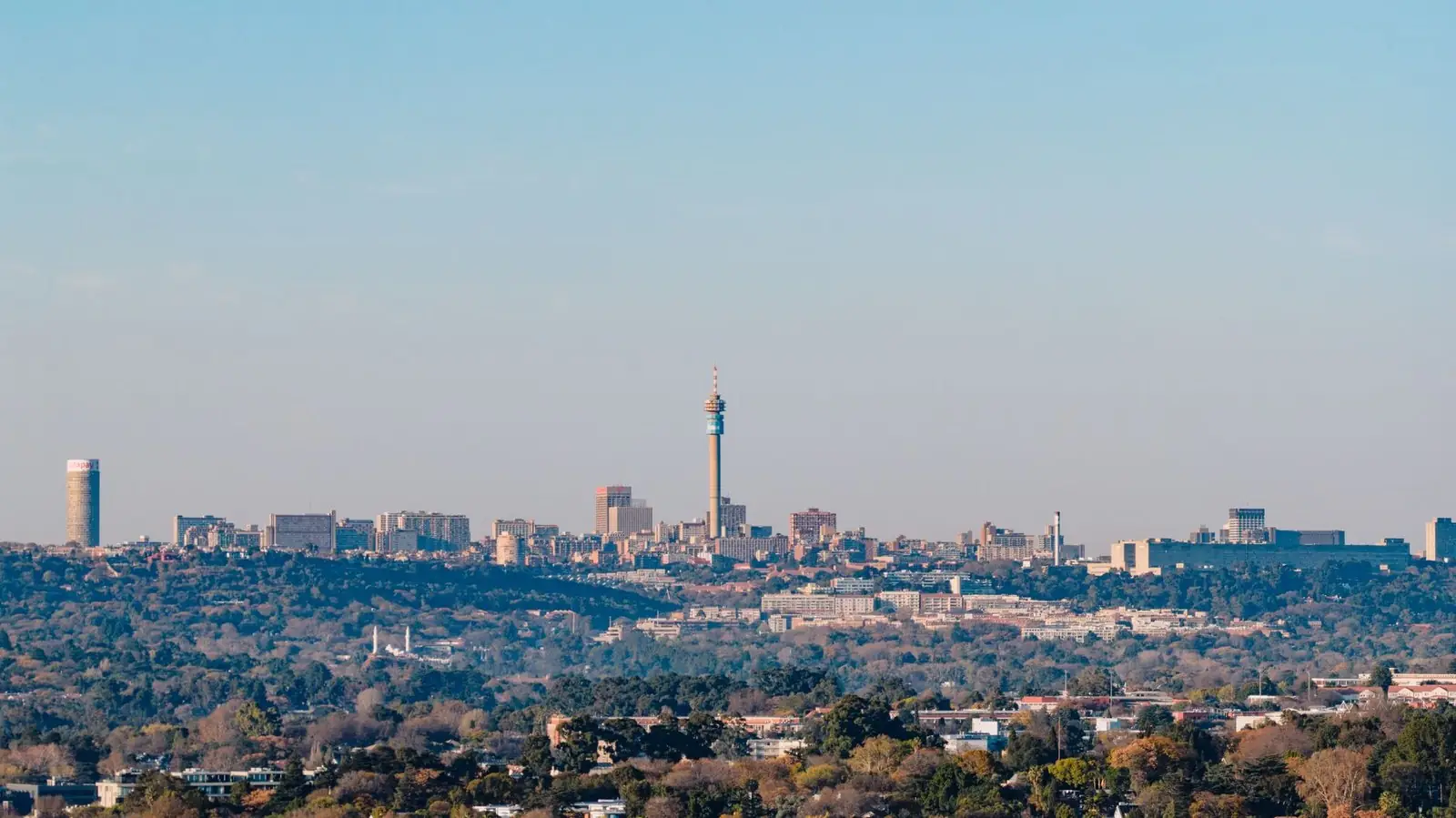

Because JNB is a massive regional hub, airlines compete heavily, making it easy to find competitive fares from the US and Europe. However, surviving your arrival and connecting onward to your final destination requires a clear logistics plan.

The Regional Hub Hinge
O. R. Tambo International Airport (JNB), located about twenty kilometers east of Johannesburg, is Southern Africa’s main hub. Major long-haul flights from the US and Europe arrive here daily, either via direct routes or connecting flights through European and Gulf hubs.
For most travelers, JNB is not the final stop. It is the transit point where you connect onward to Cape Town (CPT), the Kruger National Park safari gateways (such as Skukuza, Hoedspruit, or Nelspruit), Victoria Falls, or regional destinations in Namibia and Botswana. Because you must clear immigration and customs at your first point of entry in South Africa, you should always build a buffer of at least three hours between your international arrival and any domestic or regional connection.

The Gautrain Rail Link
If you are staying in Johannesburg, the airport features a modern rapid-rail link called the Gautrain, which departs directly from the terminal building.
The Gautrain is the faster transit option compared to sitting in freeway traffic during rush hour. It runs clean, punctual trains directly to Sandton, Rosebank, and Pretoria within minutes. However, the system has limits. It serves a specific transit corridor rather than the entire city. It is ideal if your hotel is based in Sandton or Rosebank, but if you are staying in a neighborhood outside the rail line, you will need to coordinate a taxi or rideshare from the station.
A Smart, Calm Arrival
Improvising your transit after a long-haul flight is a recipe for stress. Johannesburg has a reputation for crime, and while you do not need to be fearful, you must be practical:
- Pre-Arrange Transport: Do not accept rides from drivers who approach you in the arrivals hall. Use the Gautrain, call an Uber from the designated zone, or pre-arrange a transfer through your hotel.
- Keep Valuables Hidden: Keep your phone, cash, and luxury items out of sight when walking through the public areas of the airport.
- Be Mindful at Night: If you arrive after dark, a pre-arranged shuttle or using a registered app-based rideshare is the safer option compared to trying to find public transport.
Load-Shedding Reality
South Africa has experienced scheduled power cuts known locally as load-shedding. While these outages have eased during recent months, the situation remains subject to change.
Always check the current load-shedding status before your trip. Most major hotels, business centers, and safari lodges operate backup generators, meaning your stay is unlikely to be affected, but municipal infrastructure like traffic lights can go dark during cuts.
Dry Winter vs. Green Summer
Johannesburg features a high-altitude climate, but your travel dates will depend on your final destination:
- Dry Winter (May through September): The dry months represent the Southern Hemisphere winter. Temperatures are cool, and the lack of foliage makes this the better season for wildlife viewing on safari. Because of high demand, flights and lodges are busier.
- Green Summer (November through March): The summer months bring afternoon thunderstorms and warm weather. The landscape is green and beautiful, and flights are often cheaper, though wildlife can be harder to spot in the dense bush.
Entry Requirements
Visitors holding passports from the US, UK, Canada, Australia, and EU countries enter South Africa visa-free for tourist stays of up to 90 days. Passports must have at least two blank pages and be valid for at least thirty days beyond your departure. Entry rules can change; verify current requirements before booking.
FAQ
How do I get from OR Tambo into Johannesburg?
The Gautrain is the faster and most reliable option to reach central business districts like Sandton and Rosebank. For other neighborhoods, use a pre-booked airport transfer or a registered rideshare app.
Is Johannesburg safe for tourists?
Yes, if you use basic big-city precautions. Pre-arrange your transport, avoid walking alone after dark, keep valuables out of sight, and stay in secure neighborhoods like Sandton or Rosebank.
What can I connect to from Johannesburg?
JNB offers frequent connections to Cape Town, safari hubs like Hoedspruit and Nelspruit, regional sights like Victoria Falls, and destinations across Namibia, Botswana, and Mozambique.
When are flights to Johannesburg cheapest?
Flights are typically cheapest during the Southern Hemisphere winter shoulder months of May and June, and during the rainy summer months of November through February, excluding the holiday season.
Images: Frankbel / CC BY-SA 4.0; Suzeen Simon / CC0; Unisouth / CC BY-SA 3.0. Source: Wikimedia Commons.
Read also
- Shopping in Tunisia: Souvenirs and Purchases Worth Bringing
- 10 Little-Known Facts About the Great Sphinx of Giza, Egypt
- Cheap flights to Nairobi: the safari connection, the two airports, and the eTA

