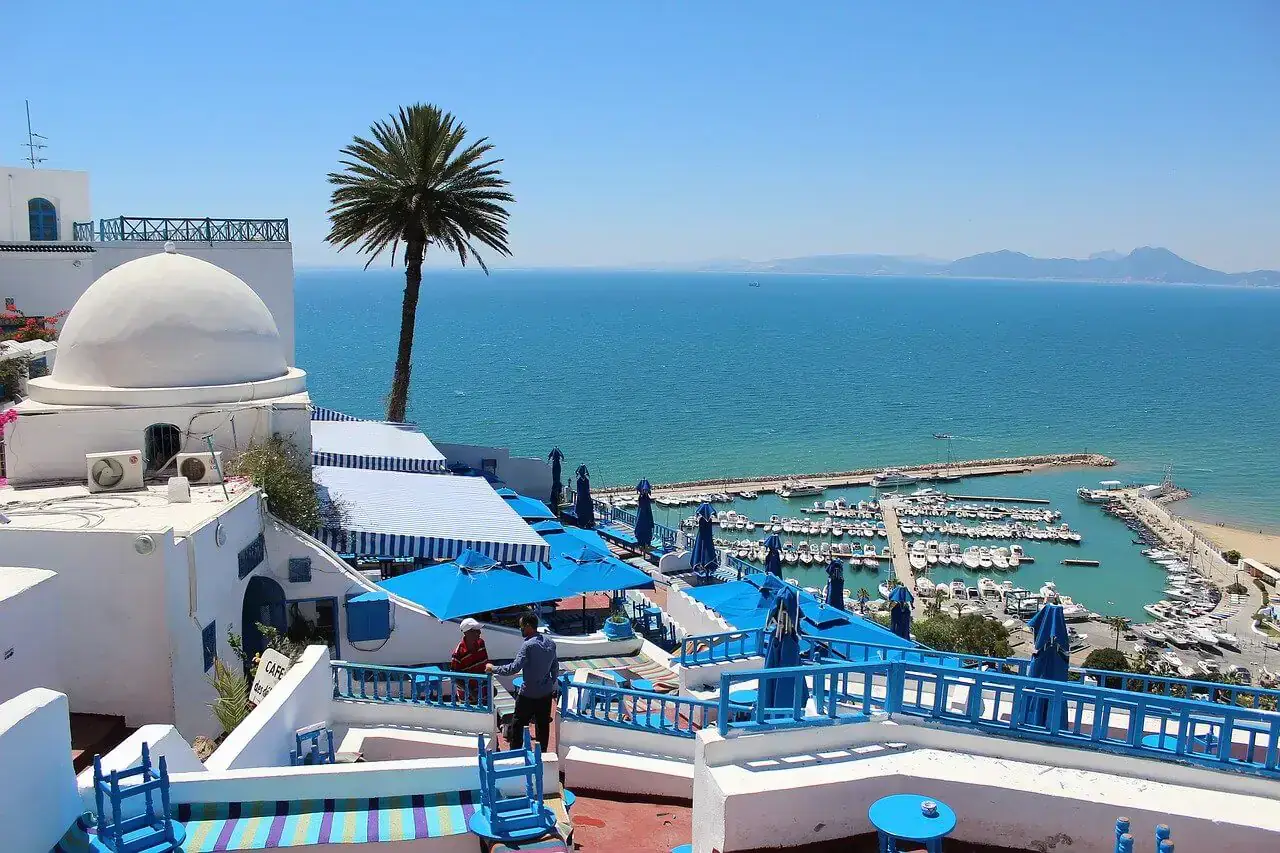
Tunisia is one of the Mediterranean’s great shopping destinations, and its markets are half the fun of a visit. In the labyrinthine medinas and coastal souks you can find everything from world-class olive oil to hand-painted ceramics and Berber silver — and haggling over them is part of the experience. Here are ten things worth bringing home.
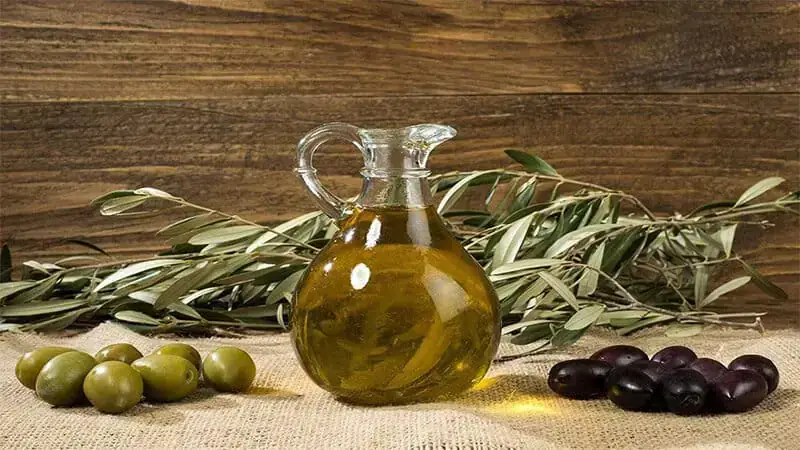
1. Olive oil. Tunisia is one of the world’s leading olive-oil producers, and the local oil ranks among the very best. Buy it in supermarkets, in the markets, or straight from a farm.
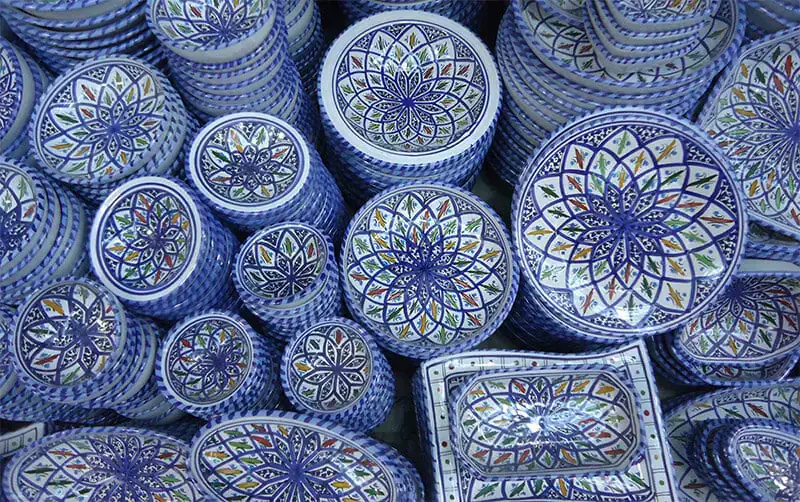
2. Ceramics and pottery. Hand-painted Tunisian ceramics range from small souvenirs to large vases and platters. The town of Nabeul, famous for its pottery workshops, produces the most prized pieces.
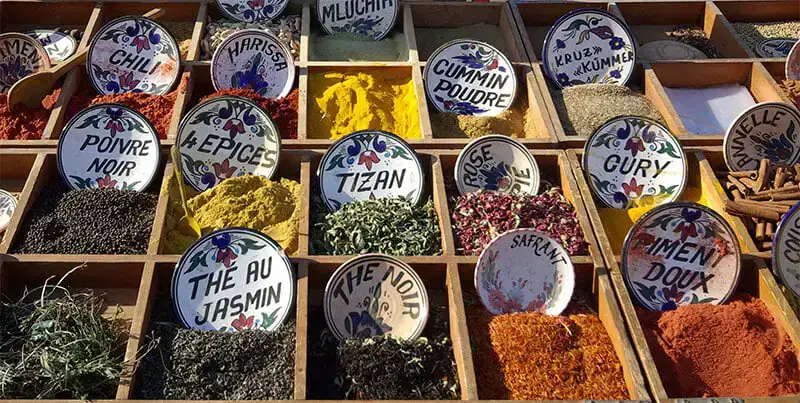
3. Spices and sweets. The markets overflow with spices, from the fiery chilli paste harissa to fragrant blends, alongside sweets like baklava and *makroud* — perfect with tea.
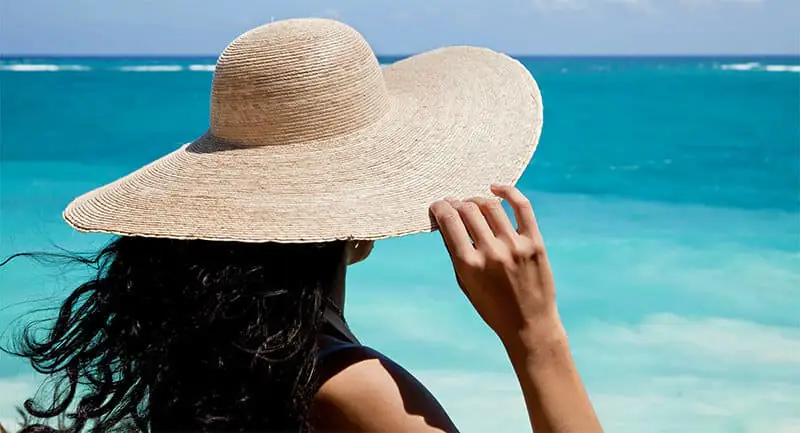
4. Traditional clothing. The djellaba robe and the red felt *chechia* hat are handsome and practical souvenirs, made from natural materials and suited to the heat.
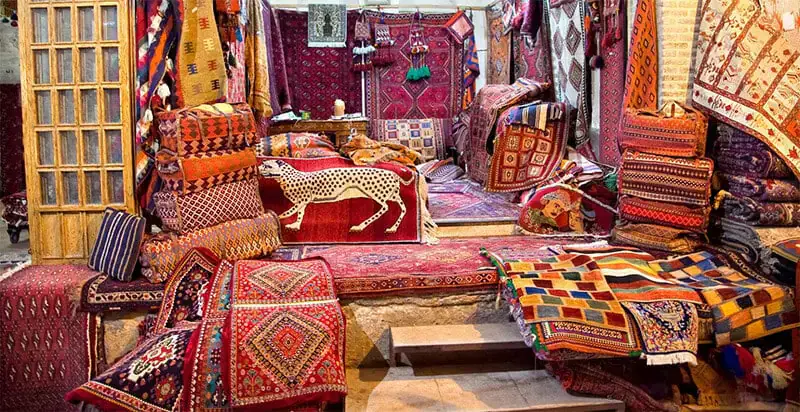
5. Carpets and textiles. Handmade Tunisian carpets are known for their quality and distinctive patterns, and cotton and wool blankets, tunics and throws are popular too.
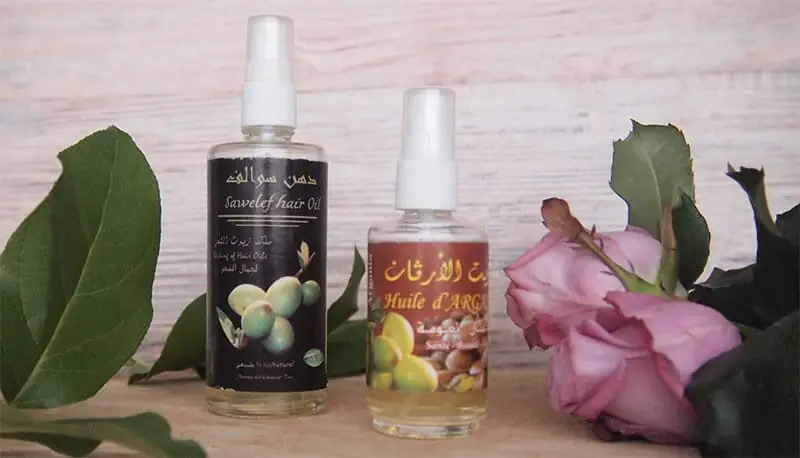
6. Argan oil. Though more associated with Morocco, argan oil turns up in Tunisia at good value, used in both cosmetics and cooking.

7. Jewellery. The souks offer plenty of silver and gold, often set with local stones. Traditional Berber silver — chunky, symbolic and distinctive — is especially worth seeking out.
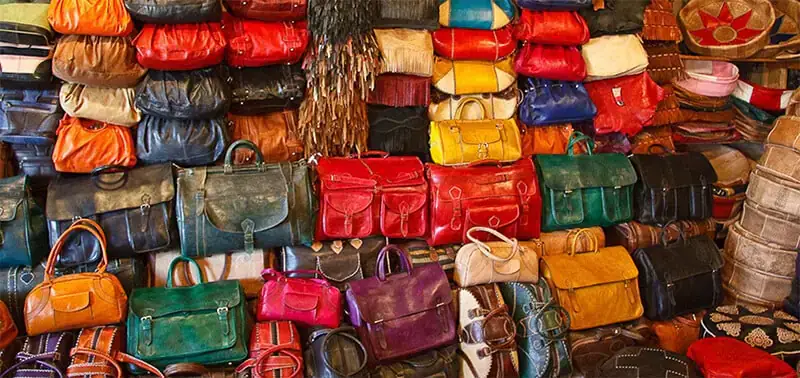
8. Leather goods. Bags, shoes and jackets are good quality and keenly priced; the medina of Tunis has the best concentration of leather shops.
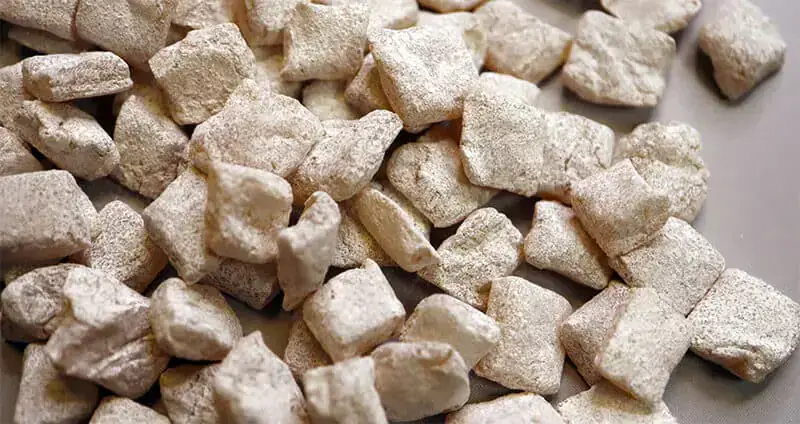
9. Incense and aromatic oils. Frankincense and scented oils, used in aromatherapy and ceremony, make small, easily packed souvenirs.
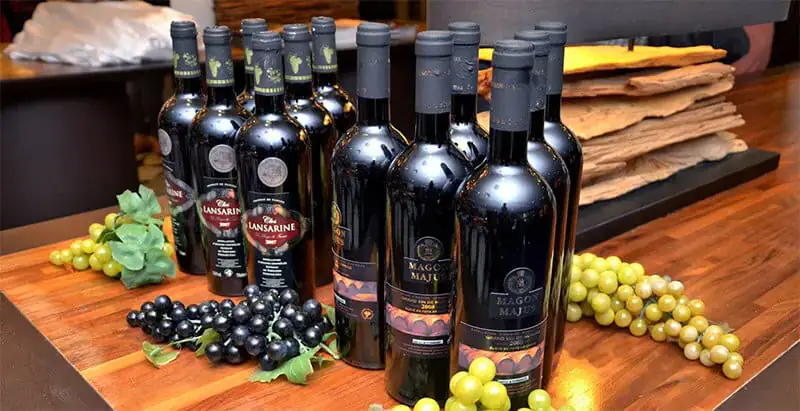
10. Local wine. Tunisia has an old winemaking tradition, and bottles such as its Muscat and Grenache make a fine gift for a gourmet.
Where to Shop and How to Haggle
The best hunting grounds are the medinas of Tunis, Sousse and Kairouan, and the pottery town of Nabeul. In the souks, prices are rarely fixed: bargaining is expected and good-natured, so start well below the asking price and settle somewhere in the middle. A friendly manner gets you further than a hard one.
FAQ
What is the best thing to buy in Tunisia?
Olive oil, hand-painted Nabeul ceramics, leather goods from the Tunis medina, and traditional Berber silver are the standouts.
Is haggling expected?
Yes, in the souks and medinas. Prices there are a starting point, not a fixed figure — bargain politely and expect to meet in the middle.
Where do I fly into?
Tunis–Carthage (TUN) is the main airport; the resort areas are also served by Enfidha-Hammamet (NBE) and Djerba (DJE).

