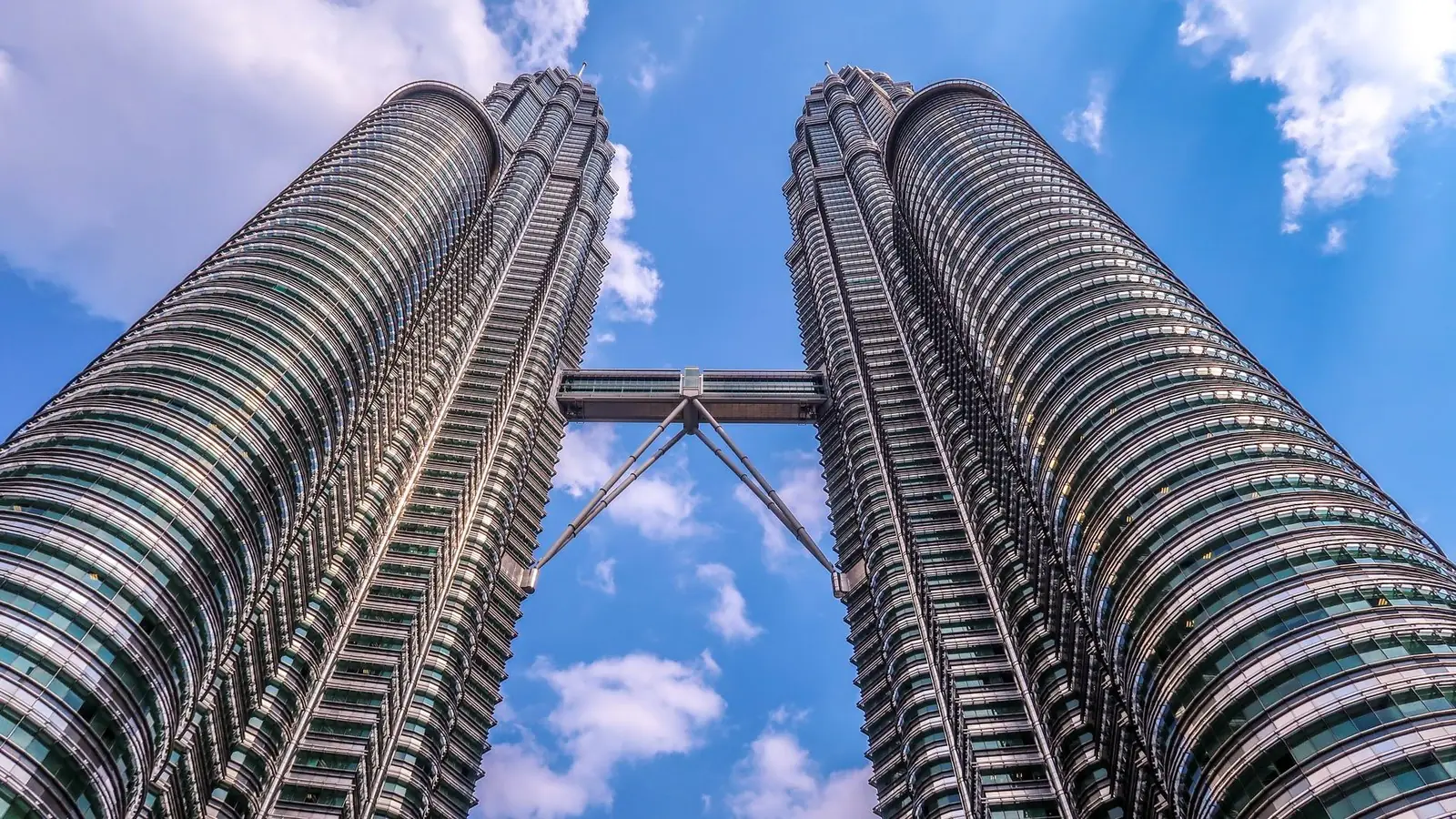

Kuala Lumpur International Airport (KUL) is one of the region’s primary hubs and the home base of AirAsia, making it one of the most competitive entry points for cheap flights to Southeast Asia. However, navigating the two-terminal system and avoiding the self-transfer trap requires planning.
Terminal 1 vs. Terminal 2
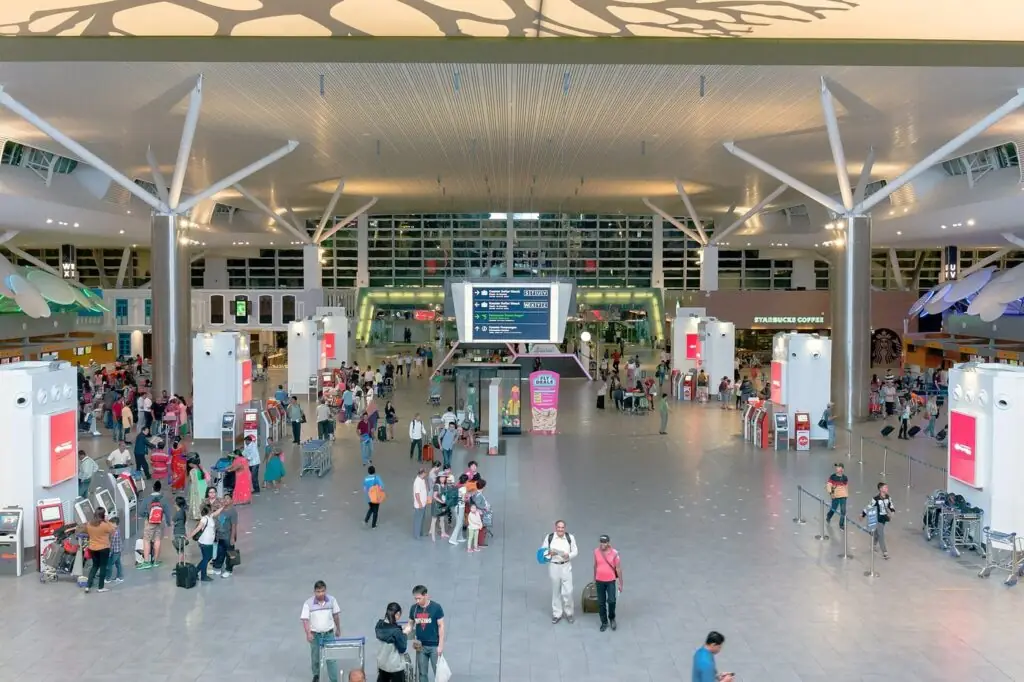
Kuala Lumpur International Airport is split into two massive terminal buildings, and they are not connected by airside walkways:
- Terminal 1 (KLIA): The primary terminal for full-service national carriers and major international airlines, including Malaysia Airlines and its global partners.
- Terminal 2 (KLIA2): The dedicated terminal for low-cost carriers, dominated by AirAsia. It operates like a separate airport, with its own customs, immigration, and transit systems.
A cheap flight itinerary often involves arriving on a major carrier at Terminal 1 and connecting onto a budget carrier at Terminal 2. Keep in mind that a separate airport, Sultan Abdul Aziz Shah Airport (Subang/SZB), sits closer to the city center and handles regional turboprop flights. Ensure you verify your airport code so you do not mix up SZB with KUL.
The Self-Transfer Connection Trap
Many travelers book cheap flights to Kuala Lumpur on separate tickets to build their own regional itineraries. If you do this, you are performing a self-transfer, which carries significant risks:
- No Checked-Through Baggage: Because your flights are on separate tickets, your luggage will not be transferred automatically. You must clear immigration at your arrival terminal, collect your bags from the carousel, travel to the other terminal, check in, and drop your bags at the counter before heading to security.
- Minimum Buffer: A safe self-transfer at KUL requires a buffer of at least three to four hours. Anything shorter leaves you vulnerable to flight delays, long lines at immigration, or baggage delays.
- The Fly-Thru Exception: If you book your connection directly through AirAsia on a single itinerary under their Fly-Thru program, your bags are checked through and you can transfer airside without clearing immigration.
Getting into the City
KUL is located about fifty-five kilometers south of Kuala Lumpur. You have three main transport options to reach the city center:
- KLIA Ekspres: The faster and more predictable option. This high-speed rail link departs from both Terminal 1 and Terminal 2, reaching KL Sentral station in the city center in about thirty minutes.
- Airport Buses: The cheaper transit option. Express buses run regularly to KL Sentral. They take significantly longer than the train, but the saving is worth it for budget travelers.
- Grab: The local rideshare app. Grab is popular in Malaysia and offers fixed-rate fares to the city, making it a convenient choice for groups, though you will be subject to highway traffic.

Weather and Fare Seasons
Kuala Lumpur is located near the equator, meaning the weather is tropical, hot, and humid year-round:
- Monsoon Seasons: The city does not have a traditional dry season, but rainfall is heavier during the inter-monsoon months of April and October. Afternoon thunderstorms are routine, so pack an umbrella regardless of when you visit.
- School Holidays and Festivals: Flight fares and hotel rates spike during the school holidays in June and December, as well as during major Chinese New Year and Eid celebrations. The shoulder months of March and September are often the better windows to search for cheap flights.
Entry Requirements
Most visitors holding passports from the US, UK, Canada, Australia, and EU countries enter Malaysia visa-free for tourist stays of up to 90 days. You must fill out the Malaysia Digital Arrival Card (MDAC) online within three days before your arrival. Entry rules can change; verify current requirements before booking.
FAQ
How do I get from KLIA into Kuala Lumpur?
The KLIA Ekspres train is the faster and more reliable option, taking about thirty minutes to reach KL Sentral. Airport buses are the cheaper option, while the Grab rideshare app is convenient for direct travel to your hotel.
What’s the difference between KLIA and KLIA2?
Terminal 1 (KLIA) serves full-service international airlines, while Terminal 2 (KLIA2) is the dedicated low-cost carrier terminal, primarily used by AirAsia. They are separate buildings and require a train or bus ride to transfer between them.
Is a short self-transfer at KUL safe?
No. If your flights are on separate tickets, a self-transfer requires clearing immigration, retrieving luggage, changing terminals, and re-checking in. You should allow at least three to four hours for a safe connection.
When are flights to Kuala Lumpur cheapest?
Flights are generally cheapest during the off-peak shoulder months of March, April, and September, avoiding the heavy holiday travel windows in summer and mid-winter.

