

London is served by six different airports that wear the city’s name, and they are spread across the map. Understanding which gateway you are booking and how the local rail network connects them is the key to finding cheap flights without hidden transit headaches.
The six London airports: a reality check
A cheap ticket to “London” can land you in a completely different county:
- Heathrow Airport (LHR): Located fifteen miles west of the center, Heathrow is the primary international hub with the most flight options and the best rail connections.
- Gatwick Airport (LGW): Located thirty miles south of the city, Gatwick is the second-largest airport, handling a mix of budget carriers and international routes.
- Stansted Airport (STN): Located forty miles northeast of London in Essex, Stansted is a major base for Ryanair. Fares are cheap, but the transfer is long and requires budgeting for train or coach tickets.
- Luton Airport (LTN): Located thirty-five miles northwest in Bedfordshire, Luton serves budget carriers like easyJet and Wizz Air; the terminal is linked to Luton Airport Parkway station by the short automated DART people-mover.
- London City Airport (LCY): Located in the Docklands, London City Airport is small, incredibly close to the center, but serves primarily business routes and is rarely cheap.
- Southend Airport (SEN): Located far to the east in Essex, it hosts only a handful of flights.
The budget airport math
A cheap budget fare to Stansted or Luton can quickly become an expensive trap. If your flight lands late in the evening, train services to central London may be finished, leaving you dependent on coaches that run less frequently at night, or a highly expensive taxi ride. Always calculate the total cost of the flight plus the rail or coach fare, as well as the travel time, before booking.
Heathrow transit: the Elizabeth Line game-changer
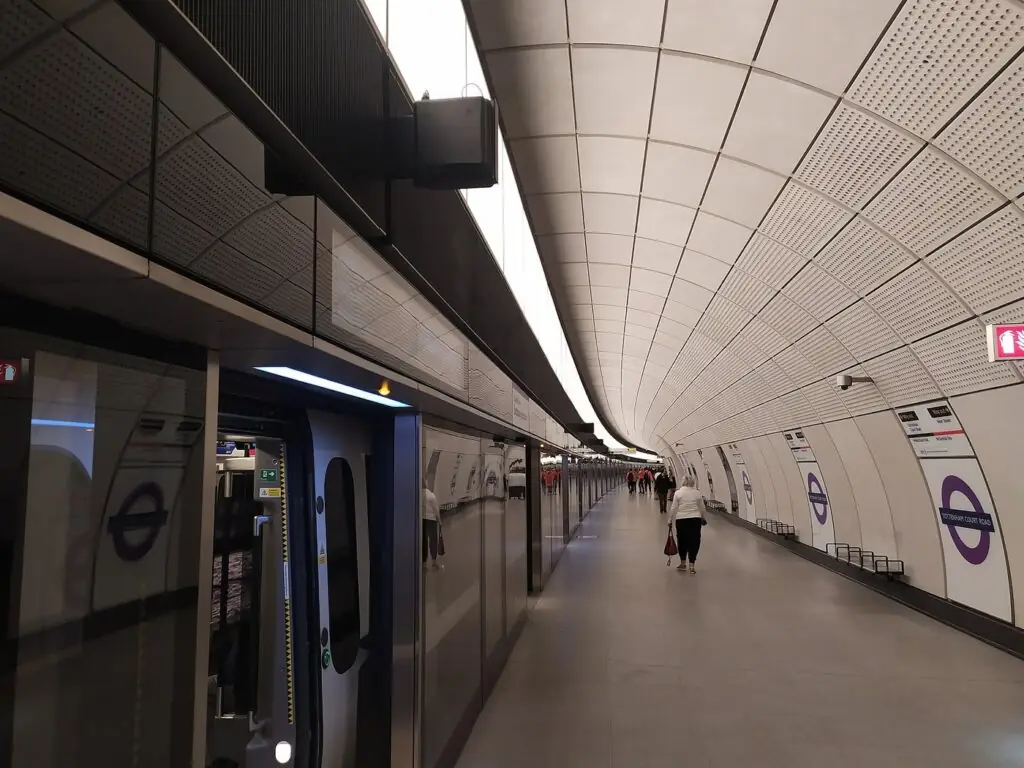
Reaching central London from Heathrow used to be a choice between a slow subway ride or a pricey express train. The opening of the Elizabeth Line has changed the logic:
- Elizabeth Line: This modern rail link runs directly from Heathrow terminals through central stations like Paddington, Tottenham Court Road, Liverpool Street, and Canary Wharf. It is a much cheaper option than the express and runs on a single seat to more destinations.
- Heathrow Express: This dedicated train runs non-stop to Paddington Station. While it is the fastest option to Paddington, it is a pricier ticket and only makes sense if your hotel is near that specific station.
- Piccadilly Line: The classic Underground subway line remains the cheapest way into central London, though it is the slower option with many stops and crowded carriages.
Gatwick transit: skip the express marketing
For Gatwick arrivals, the railway marketing favors the Gatwick Express to Victoria Station. However, the regional train is often the better route:
- Thameslink trains: These commuter trains run from Gatwick directly to central hubs like London Bridge, Blackfriars, and St Pancras. They are much cheaper than the express and offer a direct route to different central neighborhoods.
- Gatwick Express: This train runs non-stop to Victoria Station, but it is a pricier option and offers no time advantage if your hotel is not in the Victoria area.
Choose your airport by your bed
The most logical way to book your flight is to match the airport to your accommodation:
- West London / Paddington: Fly into Heathrow.
- South London / London Bridge: Fly into Gatwick.
- East London / Canary Wharf: Fly into London City.
- Flexible / budget base: Stansted or Luton can work, provided you check the transfer schedules and factor in the additional rail fares.
Don’t drive; tap in
Renting a car in central London is highly impractical. The city center is subject to heavy traffic congestion, strict emissions charges (ULEZ), and expensive parking.
For local transit, you do not need to purchase a paper ticket or a visitor Oyster card. You can simply tap your contactless bank card or smartphone at the station turnstiles and bus readers. Local journeys are automatically capped at a daily limit, making public transit the most efficient way to travel.

Weather and fare seasons
London’s massive flight market means fares reward flexibility:
- High season: Summer (June to August) brings the heaviest crowds, tourist spikes around Wimbledon, and the highest prices. The weeks leading up to Christmas in December also cause fare spikes.
- Shoulder season: Spring and early autumn offer milder weather, fewer crowds, and more competitive fares.
- Off-peak: Winter (excluding the holidays) is the cheapest period to search for flights.
Entry requirements
The United Kingdom is not a member of the Schengen Area. While visitors from the US, Canada, Australia, and EU countries enter visa-free for short-term tourism, they are now required to obtain an Electronic Travel Authorisation (ETA) online before arrival — airlines check it before boarding. Entry rules can change; verify current requirements before booking.
FAQ
Which London airport should I fly into?
Heathrow (LHR) is best for long-haul routes and direct Elizabeth Line connections. Gatwick (LGW) is convenient for south London. Stansted (STN) and Luton (LTN) serve budget carriers but require an hour-long transfer.
What’s the cheapest way from Heathrow into central London?
The Piccadilly Line subway is the cheapest transit option, though it is the slower route. The Elizabeth Line offers the best balance of speed, price, and direct connections to central stations.
Is Stansted actually in London?
No. Stansted Airport (STN) is located forty miles northeast of the city in Essex, requiring a travel time of about an hour by train or bus to reach central London.
Do I need a car in London?
No. Central London is congested and subject to environmental driving charges. The city is best explored using the extensive Underground, bus, and rail network by tapping a contactless card.


