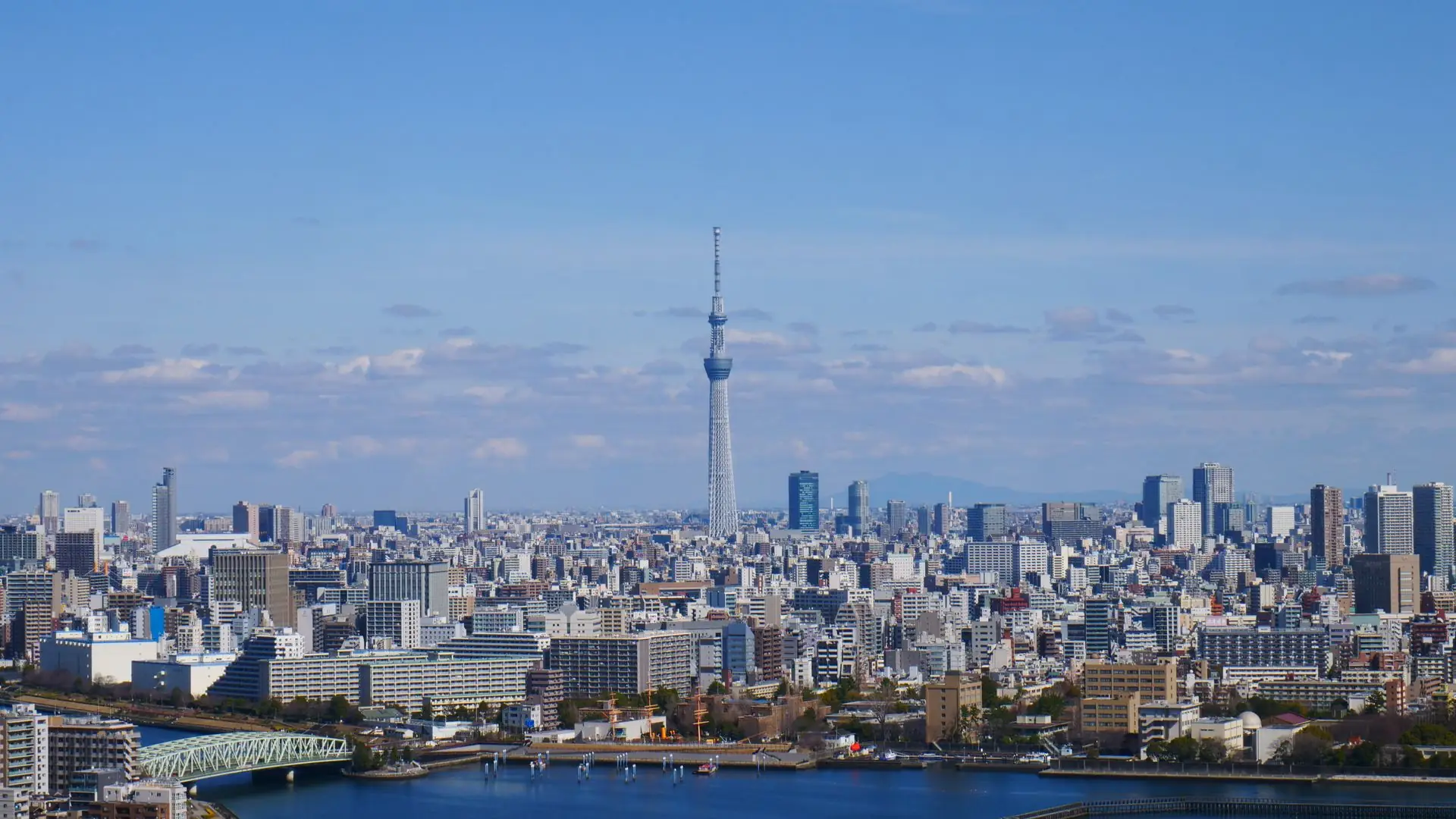

Tokyo is one of the world’s premier travel hubs and the primary entry point for visitors exploring Japan. Because the metropolitan area is served by two main airports, finding cheap flights requires understanding which airport best suits your budget and transit schedule. Booking engines list both gateways under the collective city code TYO, but your ticket will specify one of two individual airports.

The Two-Airport Split: HND vs. NRT
Tokyo’s airports represent a trade-off between proximity and ticket pricing:
- Haneda Airport (HND): Located approximately 20 kilometers south of Tokyo Station. Haneda is the premium gateway closer to the city core, offering rapid rail transfers to central neighborhoods. While fares to HND are often higher, the convenient location minimizes transit times.
- Narita Airport (NRT): Located approximately 70 kilometers east of central Tokyo in Chiba Prefecture. Narita is the primary base for low-cost carriers and handles the majority of long-haul international traffic. Flights to NRT are generally cheaper, but you must factor in the time and cost of the longer journey into the city.
The Carrier Landscape
The allocation of flights between the two airports has shifted, with legacy airlines like United Airlines, Delta Air Lines, and American Airlines moving many of their long-haul transpacific routes to Haneda. Japan’s major flag carriers, Japan Airlines and ANA, operate extensive international networks out of both airports. For budget travelers, Narita remains the fortress hub for low-cost carriers. ZIPAIR, the low-cost subsidiary of Japan Airlines, operates budget transpacific flights to cities like Los Angeles, San Francisco, San Jose, Vancouver, Honolulu, and Houston. European carriers like Lufthansa and British Airways also serve Haneda, while budget regional flights fill the terminals at Narita.
Getting into the City from Narita
Because of Narita’s distance from the city center, you should choose your transport operator based on your final destination:
- Keisei Skyliner: Operated by Keisei Electric Railway, this high-speed train is the fastest transfer option, taking approximately 40 minutes to reach Nippori station in northern Tokyo. From there, you can easily connect to the city’s loop railway.
- Narita Express (N’EX): Operated by the East Japan Railway Company, this train connects Narita directly to major central hubs like Tokyo Station, Shinagawa, Shinjuku, and Shibuya, taking approximately 60 minutes to reach Tokyo Station.
- Airport Buses: The Airport Bus TYO-NRT, operated by JR Bus Kanto and the Keisei Bus group, represents a budget-friendly road option, running regular coach services between Narita and Tokyo Station.
Getting into the City from Haneda
Haneda’s proximity to the center makes transfers rapid and affordable:
- Tokyo Monorail: Connects the airport terminals directly to Hamamatsucho station in approximately 13 minutes, where passengers can connect to the urban loop line.
- Keikyu Line: Operated by Keikyu Electric Railway, this train connects Haneda directly to Shinagawa station in approximately 15 minutes, with many trains continuing onto the metropolitan subway network.
The Rail-Pass Rethink
For years, buying a nationwide Japan Rail Pass was the default recommendation for visiting Japan. However, a major price increase in October 2023 changed this equation. The pass is no longer an automatic money-saver, especially for itineraries focused primarily on Tokyo and its immediate surroundings. Travelers should calculate the individual ticket costs of their planned journeys before purchasing a pass, as buying individual tickets or using cheaper regional passes is often the more cost-effective option.
The Shinkansen Onward Play
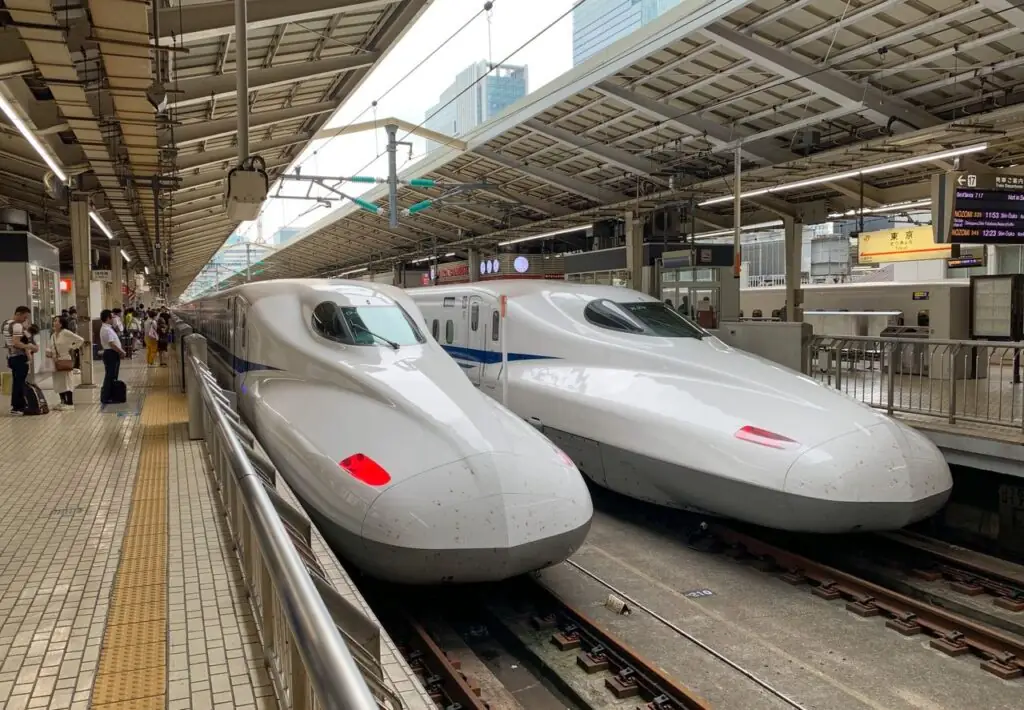
Tokyo serves as the primary railway gateway to the rest of Japan. The Hokuriku Shinkansen bullet train line puts the historic city of Kanazawa within a comfortable transit window, taking approximately 2 hours and 30 minutes from Tokyo Station. This makes it simple to construct an itinerary that connects the capital to the western coast, as detailed in our Kanazawa guide.
The Travel Calendar
Japan’s domestic travel calendar features major seasonal surges when flights and accommodations spike nationwide:
- Golden Week: Running from late April through early May, this series of national holidays represents one of Japan’s busiest domestic travel windows.
- Obon: Held in mid-August, this cultural period sees millions of people return to their hometowns, filling trains and flights.
- New Year: The days surrounding the new year are peak holiday times, with many businesses closing.
Additionally, you must evaluate the inbound international tourism seasons:
- Cherry Blossom Season: Running from late March to early April, this is the most popular and expensive travel window of the year.
- Autumn Foliage: November brings beautiful autumn leaves and high demand.
- The Value Window: Mid-January through February represents the cheapest time to fly, offering cold but clear winter weather. The June rainy season, known as tsuyu, also features softer fares.
- Typhoon Season: September is the peak of the typhoon season, bringing a higher risk of flight delays and cancellations.
Booking Mechanics
To secure the best fares on transpacific and European flights to Tokyo, you should monitor ticket prices four to six months before departure. Midweek travel on Tuesdays and Wednesdays typically yields cheaper fares. When evaluating flight tickets, compare the total door-to-door cost: a cheap flight landing late at Narita can quickly be offset by the price of a night’s accommodation or late-night transport.
Entry Requirements
Visitors holding United States, United Kingdom, Canada, or Australia passports can enter Japan visa-free for tourist stays of up to 90 days. While travelers can use the optional Visit Japan Web digital service to pre-register immigration and customs forms to speed up airport arrivals, completing the digital forms is not mandatory, and paper forms are still accepted at the border. Passports must be valid for the duration of your stay; check current requirements before booking your flight.
The Final Caveat
A bargain flight ticket to Tokyo is only part of the trip’s cost. If you buy a rail pass you do not need, or land at Narita after the trains stop running, the money you saved on airfare will quickly disappear. Plan your arrival times and transport options carefully to ensure your budget stays intact.
FAQ
Which Tokyo airport is better, Haneda or Narita?
Haneda (HND) is generally better because it is located just 20 kilometers from Tokyo Station, offering fast and cheap rail transfers. Narita (NRT) is located 70 kilometers away, meaning longer transit times and higher transfer costs, though it often offers cheaper flight fares.
How do I get from Narita to central Tokyo?
Travelers can take the high-speed Keisei Skyliner train (taking approximately 40 minutes to Nippori station) or the Narita Express (taking approximately 60 minutes to Tokyo Station). Budget buses like the Airport Bus TYO-NRT are also available.
Is the Japan Rail Pass still worth it?
Due to the major price increase in October 2023, the nationwide rail pass is rarely worth it for simple itineraries or trips focused on Tokyo. You should calculate individual ticket costs before purchasing any pass.
What is the cheapest month to fly to Tokyo?
Fares are generally lowest during the winter months of January and February, excluding the New Year holiday period. The June rainy season also offers cheaper flights.


