

The Capital That Survived
To understand Kraków, you must understand what makes it different from almost every other major Polish city: it was not levelled. While the historic centre of Warsaw was tragically flattened and painstakingly rebuilt from photographs and paintings after the Second World War, Kraków came through largely intact.
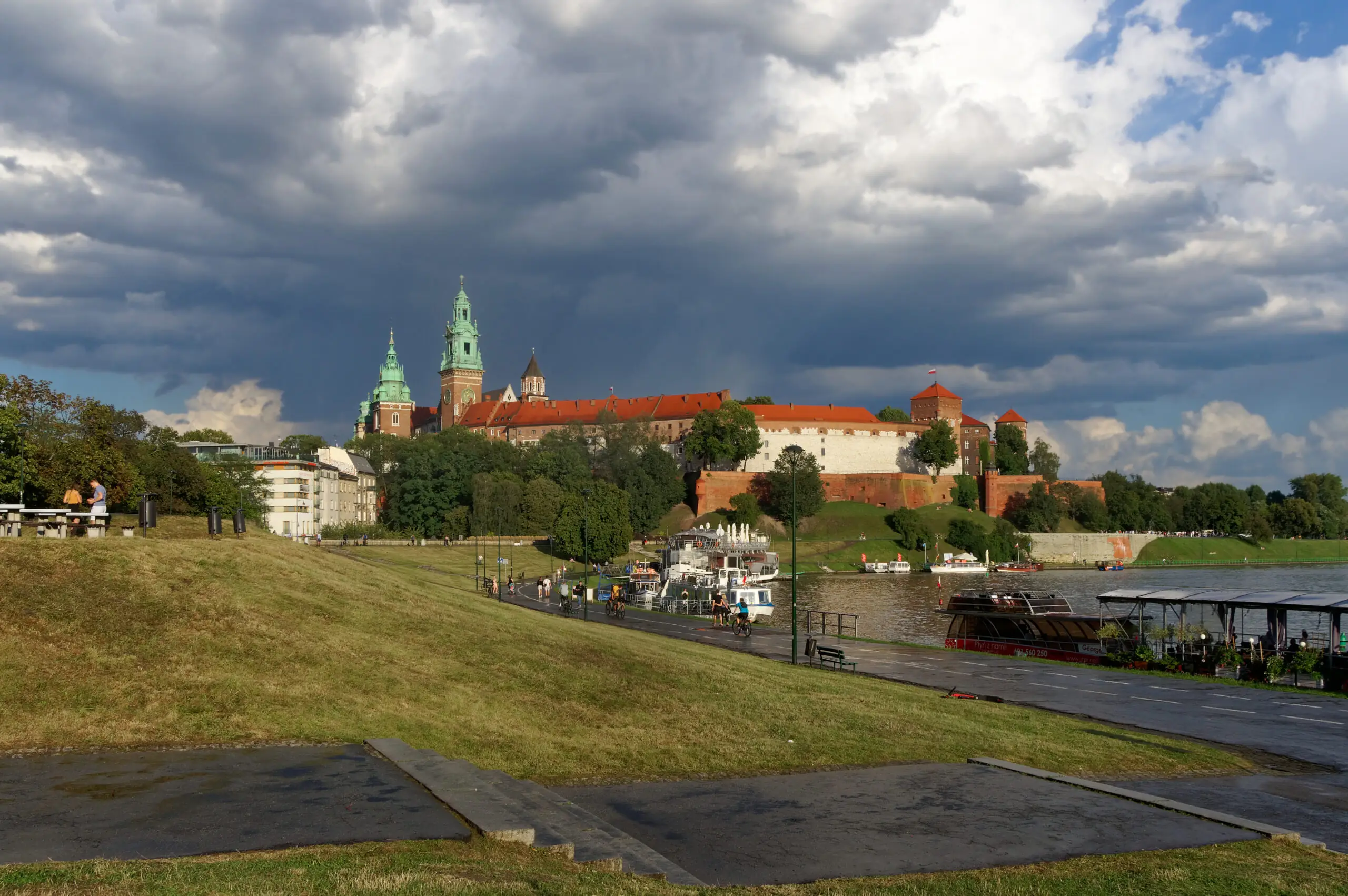
When you walk through the Sukiennice (the Cloth Hall) in the centre of the medieval market square, or climb the hill to Wawel—the grand castle and cathedral complex where generations of Polish kings were crowned and buried—you are standing on original fabric. For centuries, this was the royal seat of Poland, and the heavy stone beneath your feet is the real thing, carrying an undeniable, lived-in gravity.
Kazimierz and the Weight of History
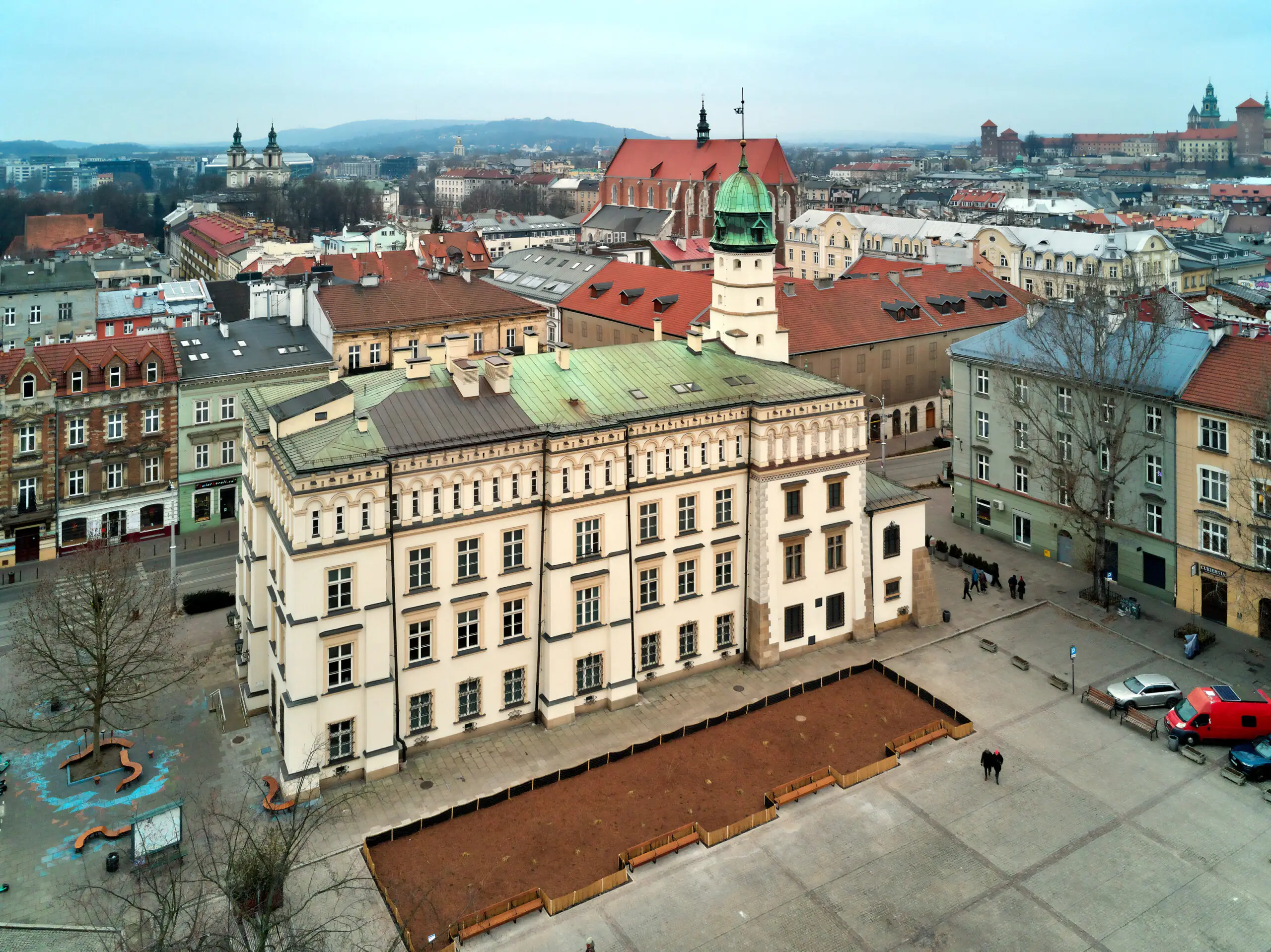
South of the old town lies Kazimierz, the historic Jewish quarter. Today, its squares and cobbled lanes are full of life again — cafés, galleries, and a busy after-dark scene. However, this energy sits alongside a devastating 20th-century history. The old synagogues and the nearby Schindler’s Factory museum demand to be approached with quiet, plain respect.
Further outside the city lies Auschwitz-Birkenau. It is an essential site of global remembrance and historical witness. It should be visited soberly and purposefully, never treated casually or upsold as a mere day-trip attraction.
The Everyday City
The food of Kraków is intensely comforting and tied to its recent past. The city’s bary mleczne (milk bars) are plain, cheap, state-subsidised canteens that outlived the communist era, and they remain the best places to eat heavy, honest plates of pierogi alongside local students and pensioners. On the streets, you will constantly pass blue carts selling obwarzanek (a chewy, braided bread ring), while late at night in Kazimierz, the ritual is to queue at Plac Nowy for a zapiekanka—a toasted half-baguette smothered in mushrooms, cheese, and ketchup.
Today, Kraków faces the intense pressure of the cheap-flight era. The sheer volume of weekend stag parties can make the historic centre feel more like a raucous theme park than a royal capital. But the real city endures just behind that loud facade.
My own sharpest memory of Kraków was walking through the Planty—the green park that completely encircles the old town—on a freezing, damp evening. An elderly man was patiently teaching a young boy how to play chess on a wet wooden bench under a streetlight, both completely ignoring the loud, drunken shouts echoing from a nearby bar.
If you are planning to travel, entry is straightforward. Poland is part of the Schengen area, meaning most Western passport holders can enter without a visa for short tourist stays. However, the EU’s ETIAS pre-authorisation system is currently being phased in, so always check current requirements before you fly.
FAQ
Is Kraków worth visiting?
Absolutely. It is one of the few major Polish cities whose medieval centre survived the Second World War intact, offering a genuine, unflattened glimpse into the country’s royal past.
How many days do you need in Kraków?
Three days is ideal. This allows one day for the old town and Wawel Castle, one day for the Kazimierz district, and a dedicated day for historical remembrance sites outside the city centre.
Is Kraków a good base for visiting Auschwitz?
Yes, the site of the former concentration and extermination camp is located about an hour and a half away. It should be approached with the utmost solemnity, and booking an official guided tour well in advance is highly recommended.
What’s the best time to visit Kraków?
Late spring (May to June) and early autumn (September to October) offer beautiful light and mild weather. Winter is bitterly cold but offers highly atmospheric Christmas markets in the main square.
Images: Laima Gūtmane (simka… / CC BY-SA 3.0; Jakub Hałun / CC BY-SA 4.0; Igor123121 / CC BY 4.0. Source: Wikimedia Commons.
Read also
- Algarve: Portugal's Southern Paradise
- Mykonos: Where the Sun Meets the Party
- Porto: Where History Meets Modernity

