

The reality of the plateau
The pyramids and the Sphinx date to the Old Kingdom, roughly 4,500 years ago. There’s no need for pseudo-history or alien theories here; the sheer logistical weight of building them is awe-inspiring enough on its own.
Visiting the plateau takes a firm attitude. The touts offering camel and horseback rides, or insisting they’re “official guides,” are relentless and exhausting. Be polite but unyielding with your refusals, agree any price clearly before you climb onto an animal, and accept the hustle as part of the landscape.
Two museums
For decades the undisputed home of Egypt’s antiquities was the salmon-pink Egyptian Museum on Tahrir Square — a dusty, brilliantly chaotic warehouse of history in the city centre. Now the balance has shifted to the Grand Egyptian Museum (GEM), a vast, sleek complex by the Giza plateau that holds the complete Tutankhamun collection. Both deserve your time: the GEM for its immense scale and curation, the old museum for its dense, atmospheric charm.
The medieval heart
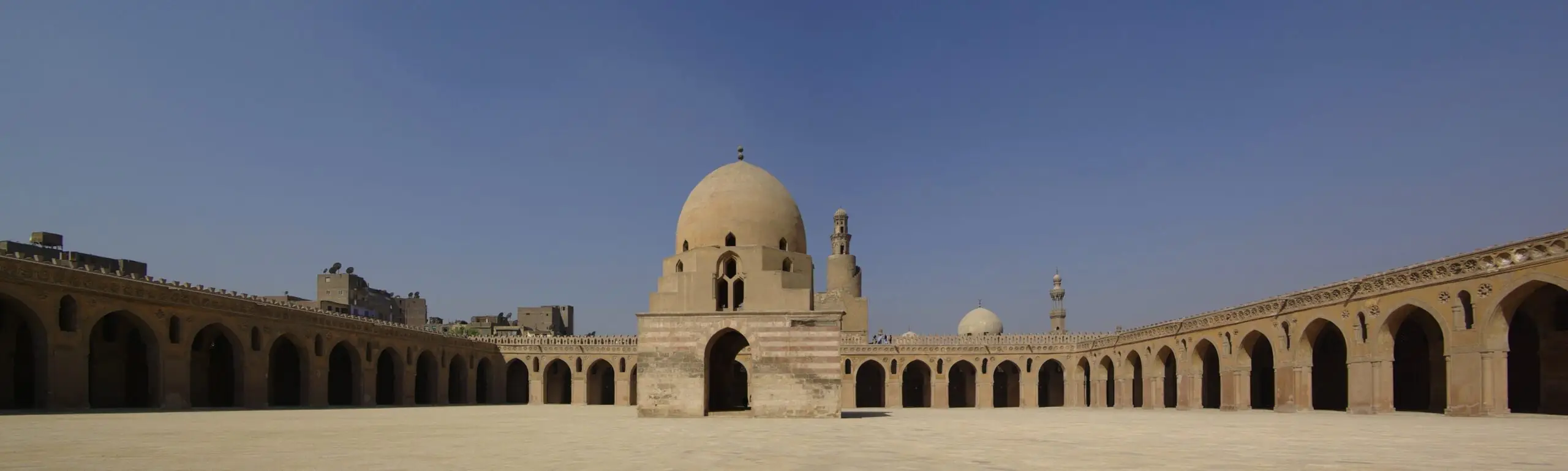
Cross to the eastern side of the city and you enter Islamic Cairo, the medieval heart of the capital. The skyline here bristles with minarets, dominated by the imposing Citadel of Saladin. The scale of the older mosques — the vast, austere courtyard of Ibn Tulun, the soaring arches of Sultan Hassan — is breathtaking. These are working places of worship, so dress modestly and time your visits to avoid the main prayer hours, when the azan (call to prayer) rolls powerfully across the rooftops.
The ahwa and the labyrinth
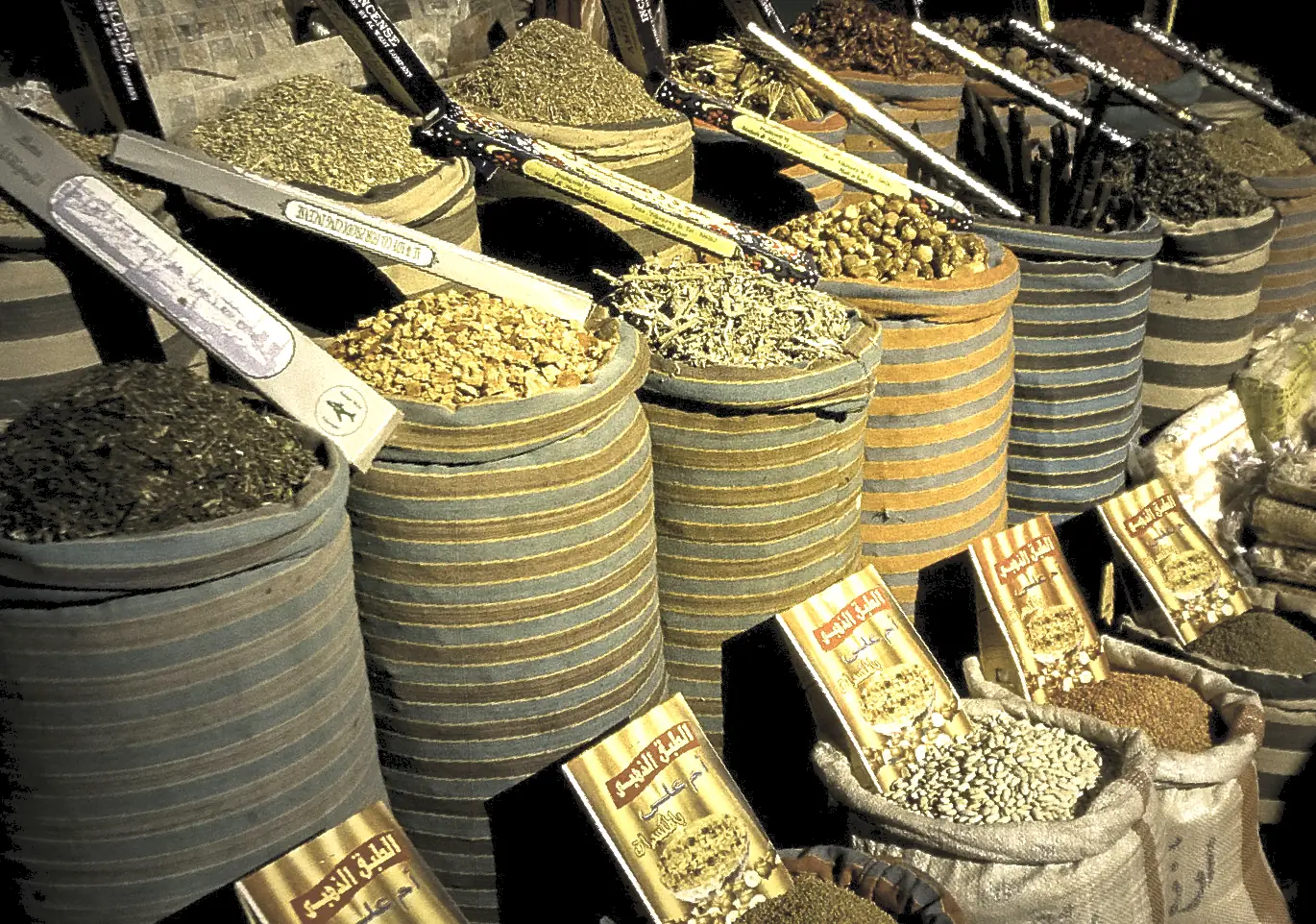
The commercial centre of the old quarter is Khan el-Khalili, a centuries-old bazaar labyrinth. Haggling is the sport of the day, but the true pulse of the district is the ahwa (coffeehouse). Places like the famous El Fishawy have served patrons here for generations.
The ahwa culture runs the social day. You sit at small brass tables, order a glass of sweet, dark shai (tea) or a thick, cardamom-laced Turkish-style coffee, and perhaps share a sheesha. It’s the perfect spot to sit back and watch the relentless theatre of the street.
The Nile and the noise
Cairo is famously intense. The traffic is legendary, the air is thick, the noise rarely drops. The great calming counterweight is the Nile. The river forms the spine of the city, and hiring a felucca (a traditional wooden sailing boat) at sunset is the best way to catch your breath: on the water the din fades to a hum, and the heat of the day finally breaks.
You’ll need that recovery to take on the local table. The national street dish is koshari — a brilliant, heavy mix of rice, lentils, macaroni and chickpeas under a spicy tomato sauce and crisp fried onions, deeply comforting and very cheap. Mornings run on ful (slow-cooked fava beans) and ta’ameya, the Egyptian falafel made with fava beans rather than chickpeas, giving it a lighter, greener centre.
My own sharpest memory of Cairo came after a gruelling afternoon in the traffic near Ramses Station. I ducked into a small bakery to escape the noise, clearly wrung out. Without a word, the baker handed me a hot flatbread straight from the oven and waved my money away with a laugh. Under the aggressive hustle of the tourist sites, Cairo’s baseline is an immense, spontaneous generosity.
One practical note: unlike many destinations, Egypt requires a visa for most Western visitors — typically an e-Visa arranged in advance or a visa-on-arrival. The rules change, so always check the current requirements before you travel.
FAQ
Is Cairo worth visiting?
Yes — if you’re ready for the intensity. It isn’t a relaxing beach holiday, but it offers unmatched historical depth, extraordinary architecture and a vivid, unforgettable street life.
Are the pyramids in the city?
Effectively, yes. They sit on the Giza plateau, with the sprawling suburbs of Greater Cairo running right up to its edge.
Is Cairo safe?
Violent crime against tourists is very low, but keep your wits about you. Persistent touts at the major sites are the main annoyance, and crossing the road in the chaotic traffic takes nerve and practice.
How many days do you need?
Three to four days is a sensible minimum: a day for Giza and the GEM, a day for Islamic Cairo and Khan el-Khalili, and time for the downtown and the Nile without burning out.
Images: Faris El-Gwely / CC BY-SA 3.0; Berthold Werner / CC BY 3.0; Jon Gudorf Photography / CC BY-SA 2.0. Source: Wikimedia Commons.
Read also
- Tourists in Seychelles
- Zanzibar. Islands in the ocean
- Shopping in Tunisia: Souvenirs and Purchases Worth Bringing


