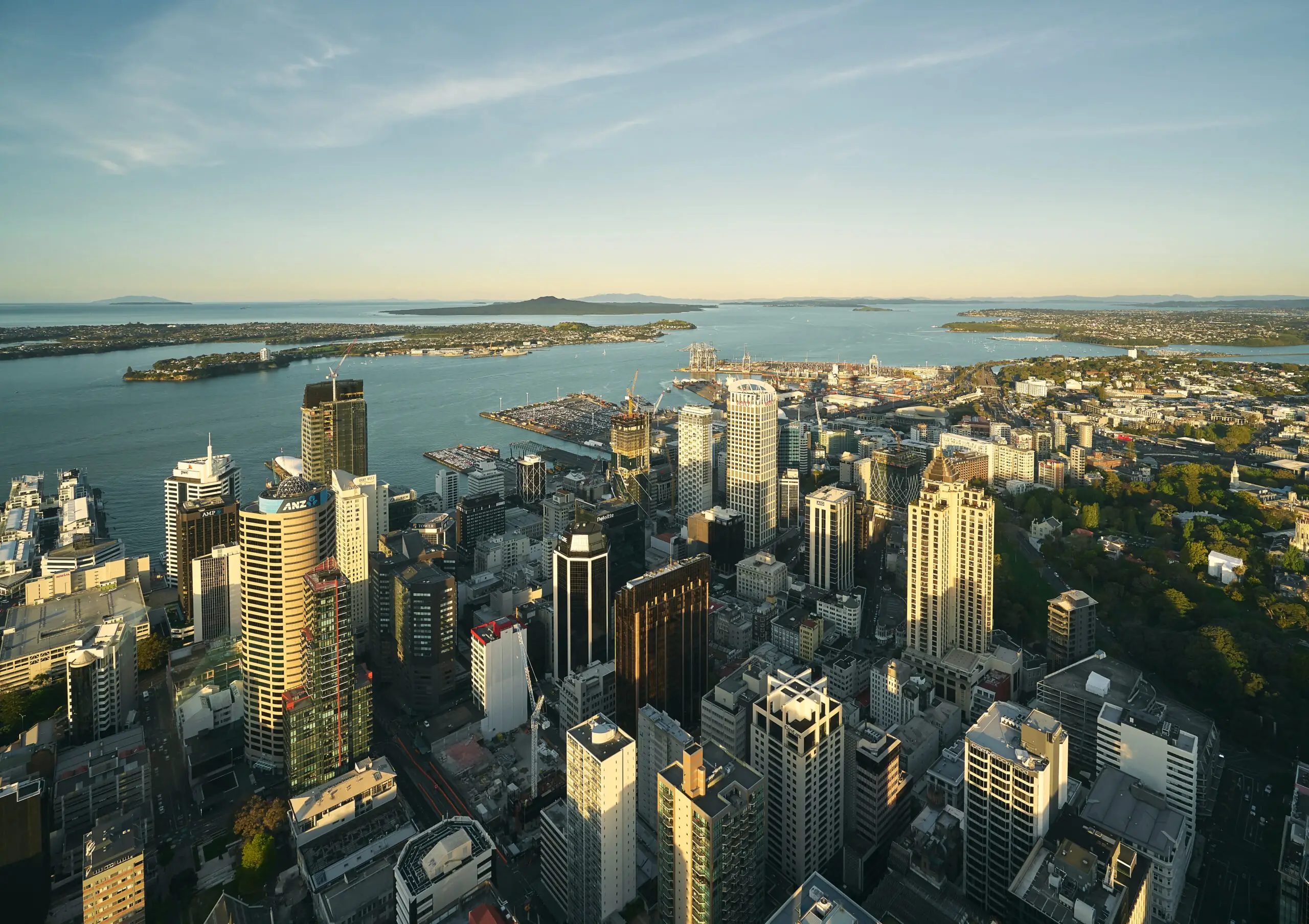

Auckland is the main gateway for almost every traveler arriving in the country. But because of its extreme geographical isolation and strict ecological defenses, planning a trip here requires understanding a set of rules you will rarely encounter elsewhere. If you want to plan your flight, connection, and entry like an operations analyst, you need to navigate the biosecurity screen, the NZeTA requirements, and the airport’s layout quirks.
Strict Biosecurity: The Green Screen and Instant Fines
New Zealand is an island nation with a unique, fragile ecosystem. To protect it, the Ministry for Primary Industries runs the strictest border biosecurity screening on the planet. This screening is the single most critical thing to prepare for before your flight lands.
The biosecurity checkpoint is not a suggestion. You must declare every single item of food, plant material, and animal product on your arrival card. If you are carrying hiking boots, camping tents, or golf clubs, you must declare them too. Officers will inspect the soles of your boots for soil, seeds, and organic matter; if they find any, they will take them away to be professionally cleaned.
If you fail to declare a food item—even a forgotten snack in your pocket—it triggers an instant, expensive fine. There are no excuses, no appeals, and no second chances. The rules are simple: if you are in doubt, declare it, or discard it in the marked biosecurity bins before you reach the border officers. Scrub your outdoor gear at home, and eat or bin any plane food before you land.
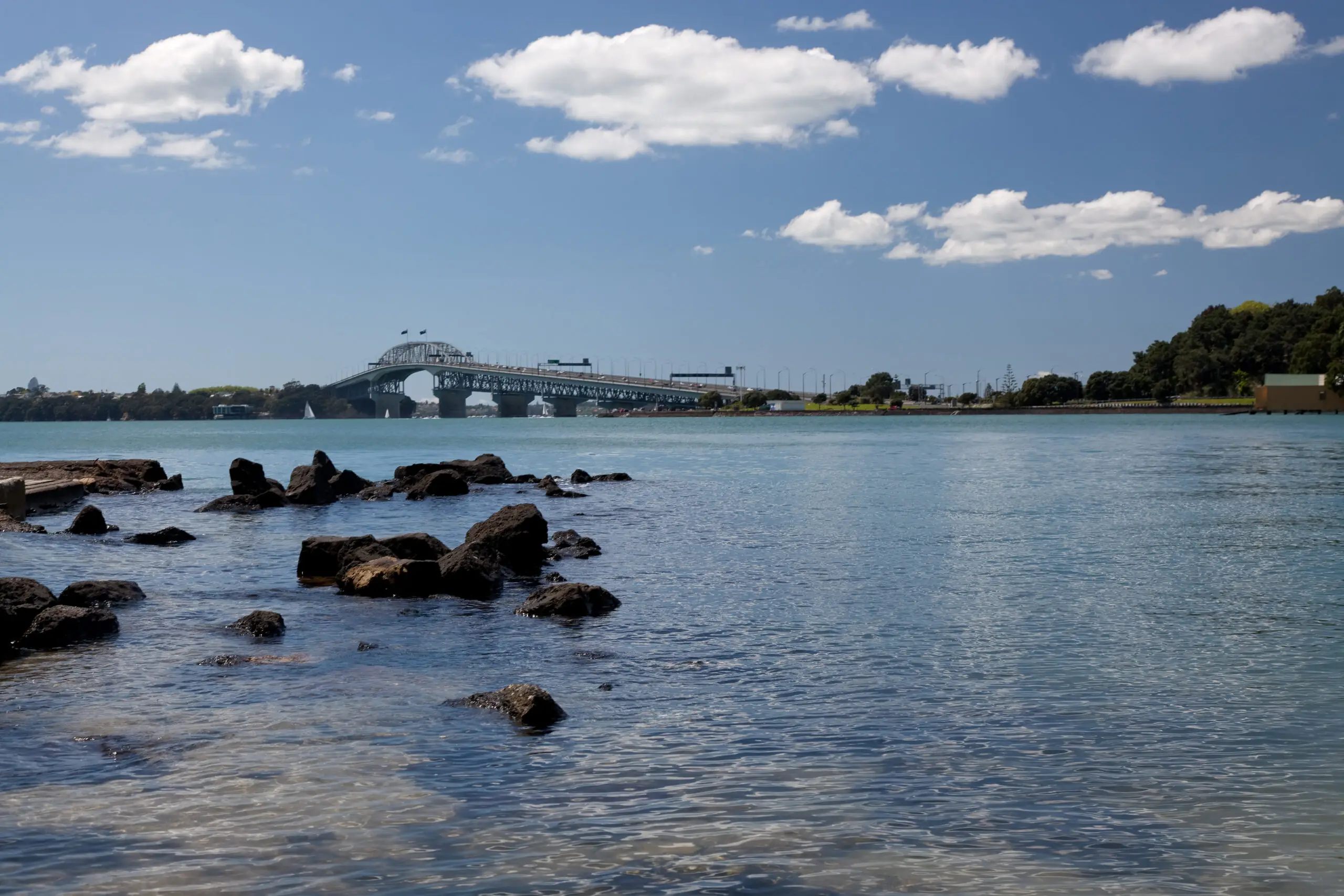
The Long Haul: Routing and the International Date Line
Auckland is one of the most remote major cities on earth, making any flight here a serious long-haul commitment.
- Routing from North America: You can find nonstop flights from US West Coast hubs like Los Angeles and San Francisco, as well as Houston. Carriers like Air New Zealand, United, and Qantas run these routes, with flight times averaging twelve to fifteen hours.
- Routing from Europe: It is a two-stop journey. You will connect through Asian transit hubs like Singapore or Hong Kong, or route through the United States or Australia. Expect total travel times of twenty-four to thirty hours.
Keep in mind the International Date Line math when planning. When flying west from the Americas, you cross the line and instantly lose a day, landing two calendar days after you depart. On the way back, you cross it going east and regain that day, sometimes landing in the US before the local time you departed Auckland. Factor this date jump into your hotel bookings and connection schedules.
The NZeTA and the Tourist Levy
New Zealand requires the NZeTA arranged online before you fly for visa-waiver visitors (which includes the IVL levy); there is no visa-on-arrival for tourists this way. Check current requirements before you book.
The NZeTA (New Zealand Electronic Travel Authority) is not a landing formality; you will be denied boarding at your origin airport if you do not have it approved. The application process is done via the official mobile app or website, and it bundles the International Visitor Conservation and Tourism Levy (IVL). This levy is a flat charge used to fund environmental protection and tourism infrastructure. Always arrange your NZeTA at least a few days before your departure.
Auckland Airport Logistics: The Terminal Transfer Gotcha
Auckland Airport (AKL) is located about twenty kilometers south of the city center.
The main logistical trap at AKL is the connection between the International and Domestic terminals. Unlike hubs that link terminals via airside trains, Auckland’s terminals are completely separate buildings.
If you fly in from San Francisco and have a connecting domestic flight to Queenstown or Wellington, you must collect your bags, clear biosecurity, exit the international terminal, and make your way to the domestic terminal. The transfer is a ten-minute walk along a marked outdoor path, or you can take a free shuttle bus. If you have tight domestic connections, leave a buffer of at least two and a half hours to account for biosecurity queues and the terminal transfer.
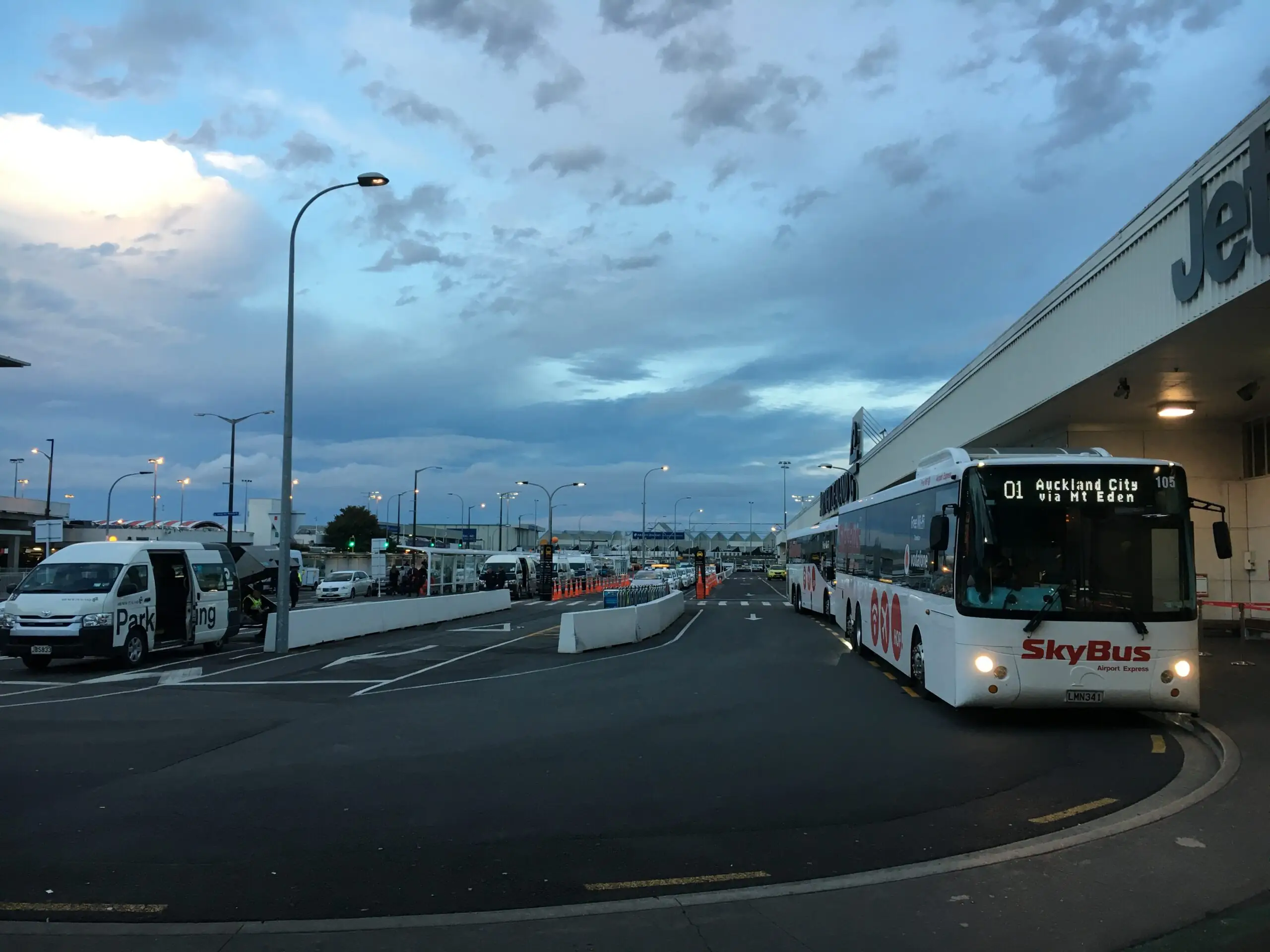
To get from the airport to the city center, there is no rail link. You can take the SkyDrive express coach, which runs regularly to the downtown ferry terminal, or hail a rideshare. Taxis are available at designated ranks but are the most expensive option.
Reversed Seasons and Booking Windows
Because New Zealand is in the Southern Hemisphere, its seasons are reversed compared to North America and Europe.
- Summer (December through February): This is the peak travel season. The weather is warm, outdoor trails are busy, and flights and accommodations are at their most expensive. You must book your long-haul flights several months in advance to secure reasonable rates.
- Winter (June through August): The weather is colder and wetter, and demand drops off significantly. This is the cheapest window of the year to fly to Auckland, though it is the peak season for ski resorts in the South Island.
- Shoulder Months (October to November and March to April): These periods offer a sweet spot of mild weather, lower tourist crowds, and more competitive airfares.
FAQ
Do I need an NZeTA for New Zealand?
Yes. Visa-waiver visitors (including citizens of the US, UK, Canada, and EU) must obtain an NZeTA online before boarding their flight. The authorization is valid for multiple entries over two years and includes the International Visitor Conservation and Tourism Levy (IVL).
What can’t I bring through New Zealand customs?
You must declare or discard all food, fresh fruit, honey, meat, plants, and seeds. You must also declare any outdoor gear, such as hiking boots or camping tents. Fines for failing to declare these items are issued instantly.
How do I get from Auckland Airport to the city?
Auckland Airport has no train link. You can travel to the city center via the SkyDrive express coach or by using a rideshare or taxi service. The drive takes about thirty to forty-five minutes depending on traffic.
When are flights to Auckland cheapest?
Flights are cheapest during the Southern Hemisphere winter (June through August) when tourism demand drops. The shoulder seasons (spring and autumn) also offer competitive rates compared to the peak summer months.
Images: Pedro Szekely / CC BY-SA 2.0; Gaurav Vaidya / CC BY-SA 2.0; russellstreet / CC BY-SA 2.0. Source: Wikimedia Commons.
Read also
- Holidays in Australia – reality
- Sydney Opera House: An Architectural Marvel and a Cultural Icon of Australia
- Cheap flights to Sydney: the long haul, the Kangaroo Route, and the airport curfew

