
The Geothermal Town
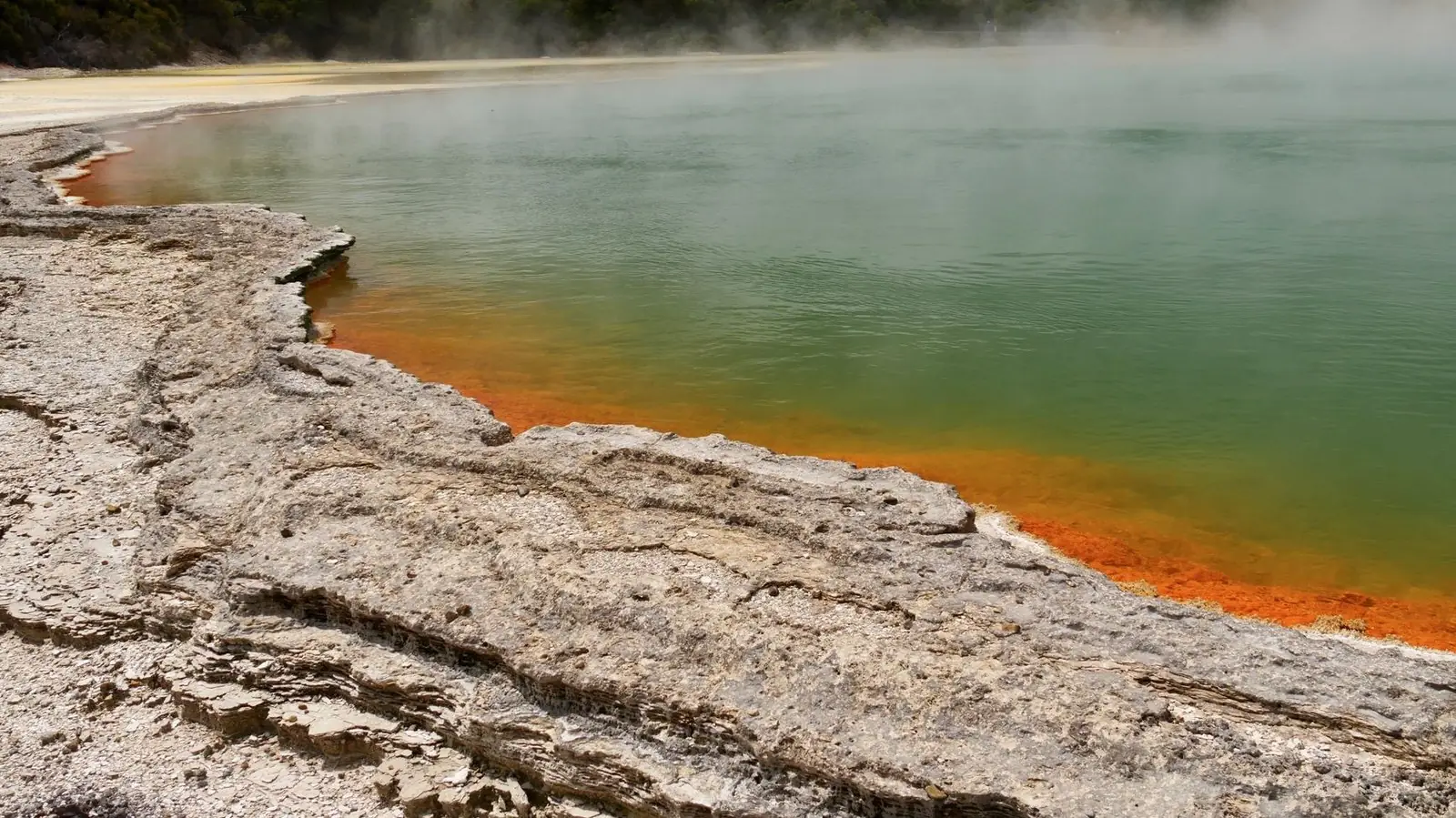
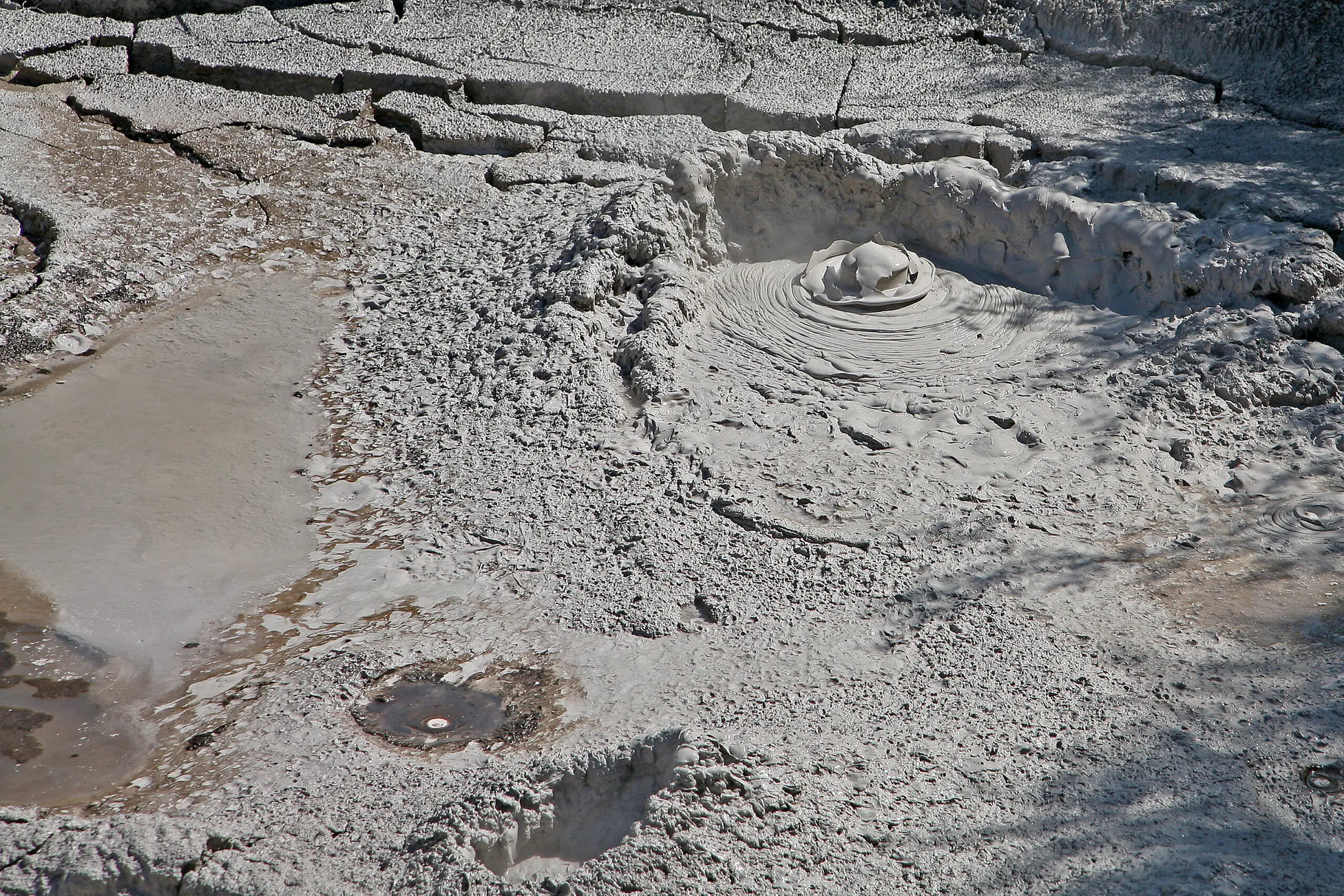
The boiling mud and hissing geysers are not just roped-off attractions here; they are part of the daily fabric. People have historically used, and in some places still use, the geothermal heat to cook food and warm homes. But this same geology has a violent side. The 1886 eruption of Mount Tarawera buried the village of Te Wairoa in a catastrophic explosion. This event also destroyed the famed Pink and White Terraces—a site that 19th-century guides heavily mythologised as the “eighth wonder of the world,” and a legend that is still romanticised in local tourism today.
The Cultural Question: Living vs. Staged
Rotorua is the historic stronghold of the Te Arawa iwi (tribe) and remains one of the primary places where visitors encounter Māori culture. This raises the central, honest question of visiting the town: the stark difference between a living culture and a packaged evening show.
Every night, fleets of coaches carry tourists to purpose-built venues for a hāngī (earth oven) dinner and a haka performance. It is important not to sneer at these experiences; they provide significant local employment, fund community initiatives, and sustain the teaching of traditional arts. However, it is vital to be honest that a performance strictly timed for a coach timetable is not the same as the living thing. Often, the marketing frames these shows as an encounter with an “ancient unchanged ritual”—a framing that should be gently flagged as commercial packaging. A working marae (meeting ground) and its protocols command deep respect, and true Māori culture is a living, modern reality, not merely historical entertainment to be consumed.

Whakarewarewa and the Victorian Layer
To see the living culture rather than a reconstruction, you must look to places like Whakarewarewa. This is a genuine, inhabited village where Te Arawa families continue to live among the active geysers, cooking in the communal steam boxes and bathing in the thermal waters just as they have for generations. It offers a necessary contrast to the purely commercial attractions.
Around these geothermal areas lies the town’s colonial layer. The grand Tudor-style bathhouse and the manicured lawns of the Government Gardens reflect a time when European settlers tried to rebrand the active volcanic landscape as the Victorian “spa of the South Pacific,” neatly imposing their own architecture over Māori land. Today, this sits alongside the towering Californian coastal redwoods of the Whakarewarewa Forest and the calm expanse of Lake Rotorua.
The Modern Reality
The modern town exists in a state of deep tourism dependence. This reliance forces an uncomfortable reckoning with what happens when a culture is sold by the ticket, and there is often a sharp gap between the “authentic” experience marketed on brochures and the reality of who actually profits. Behind the glossy frontage of the attractions, Rotorua is a working town with a quieter, and sometimes harder, everyday life.
My own sharpest memory of the town is not a geyser or a show, but a damp Tuesday afternoon in a local supermarket car park. I watched a man load his groceries into the boot of his car while, less than three feet from his rear bumper, a crack in the tarmac was quietly and steadily venting a thick column of geothermal steam into the rain.
If you are planning to visit, note that most visa-waiver travellers must arrange an NZeTA (New Zealand Electronic Travel Authority) online before their trip, which includes a mandatory international visitor conservation and tourism levy. Always check current entry requirements before booking.
FAQ
Is Rotorua worth visiting?
Yes, it offers unmatched access to New Zealand’s geothermal activity and Māori history. However, it requires a discerning eye to separate the genuine cultural heart of the town from the commercial packaging.
What’s the best Māori cultural experience in Rotorua?
Look for experiences that emphasise the living reality of the culture rather than purely historical reenactments. Visiting a working, inhabited village like Whakarewarewa offers a deeply grounded contrast to the purpose-built evening shows.
Why does Rotorua smell of sulphur?
The town sits squarely on the Rotorua Caldera, an active geothermal field. The distinct smell—often compared to rotten eggs—is hydrogen sulphide gas escaping from the thousands of hot springs and fumaroles scattered across the area.
What’s the best time to visit Rotorua?
The shoulder seasons (spring from September to November, and autumn from March to May) offer pleasant temperatures and fewer crowds. Winter (June to August) is cold, but the sharp air makes the geothermal steam appear dramatically thicker and more striking.
Images: Archives New Zealand / CC BY 2.0; W. Bulach / CC BY-SA 4.0; Alexander Klink / CC BY 3.0. Source: Wikimedia Commons.
Read also
- Cheap flights to Sydney: the long haul, the Kangaroo Route, and the airport curfew
- Holidays in Australia – reality
- Cheap flights to Auckland: the long haul, strict biosecurity, and the NZeTA

