
El Dorado International Airport (BOG) is one of the busiest and most modern hubs in South America, and the main base for Avianca. Because of that, cheap flights into the city — and cheap onward domestic connections to Cartagena, Medellín, or the Coffee Region — are highly competitive. But while the flight in is usually smooth, the arrival logistics and the geography need a clear plan.
The No-Train Arrival
El Dorado sits about fifteen kilometers west of the historic center, and there is no train or subway link connecting the terminal to the city. You choose between three main options:
- Authorized airport taxis: The most reliable, regulated option. You do not hail these at the curb. Queue at the official taxi desk inside the terminal, name your destination neighborhood, and you get a printed ticket with a pre-calculated fare zone. Hand it to the driver at the curb — no haggling at the end of the trip.
- Rideshare apps: Uber, Cabify, and DiDi all operate widely in Bogotá, but they sit in a legal grey area. Drivers often ask passengers to ride in the front seat to avoid drawing attention from transit police. Convenient and often cheaper, but be ready for that quirk.
- TransMilenio buses: The cheapest option. A feeder bus connects the airport to the Portal El Dorado station, where you board the main red articulated buses. They’re heavily crowded at peak hours, though, and a real grind with large suitcases.
If you land late at night, pre-arrange the pickup through your hotel or a private transfer rather than improvising at the curb.

Respecting the Altitude
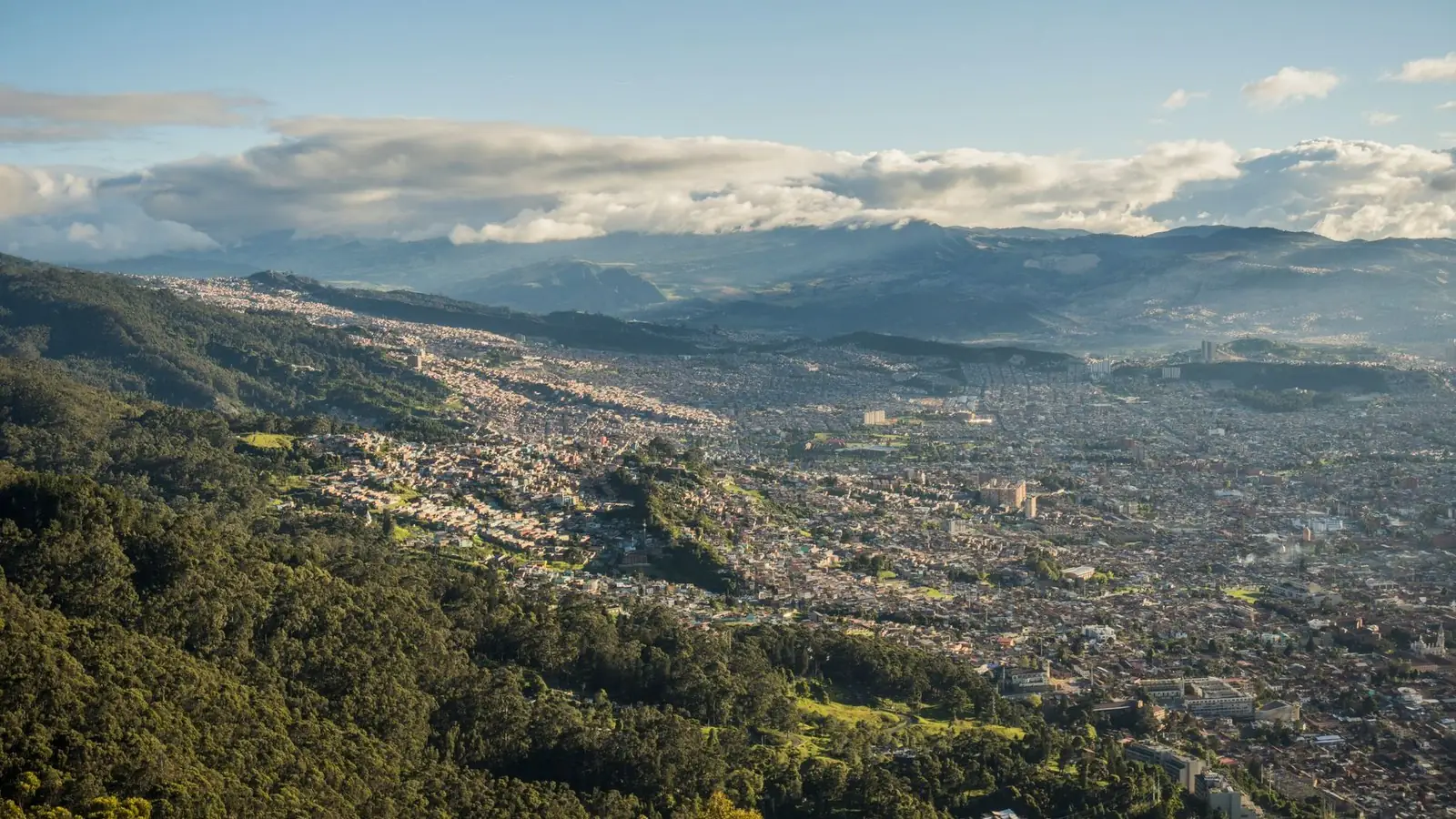
Bogotá sits at roughly 2,640 meters. That’s high enough to trigger mild mountain sickness — known locally as soroche — for travelers arriving from sea level.
- Take it easy: No strenuous activity on day one. Don’t land and immediately hike up Monserrate.
- Hydrate, eat light: Drink plenty of water and keep meals lighter for the first forty-eight hours — digestion slows at altitude.
- Go easy on alcohol: It hits noticeably harder up here until your body adjusts.
Practical Safety: No Dar Papaya
Bogotá is a huge city, and getting around it safely comes down to one local maxim: no dar papaya — literally “don’t give papaya,” meaning don’t make yourself an easy target for opportunistic crime.
- Keep your phone away: Don’t walk down the street with it in your hand or leave it on an outdoor café table. Step into a shop if you need to check directions.
- Pick the right base: For a first visit, choose carefully. La Candelaria is historic and walkable by day but thins out and gets quiet after dark; neighborhoods further north — Chapinero, Zona G, Usaquén — make safer bases with walkable streets and plenty of dining.
- Use authorized transport: Avoid flagging yellow cabs on the street, especially at night. Use an app or have the restaurant call an authorized taxi.

Weather and Fare Seasons
Sitting near the equator, Bogotá has no real summer or winter. Locals call it eternal spring — cool, jacket-weather temperatures and rain showers that can turn up year-round.
- Drier windows: Roughly December–March and July–August are the drier, more popular stretches.
- Wetter spells: Expect more frequent downpours around April–May and September–November.
- Holiday fare spikes: Cheap flights are harder to find around December–January, major Colombian holidays, and Easter week (Semana Santa). The shoulder months of February and October tend to be kinder.
Entry Requirements
Most travelers from the US, UK, Canada, Australia, and EU countries enter Colombia visa-free for tourist stays of up to 90 days. You’re also asked to complete the online Check-Mig form in the days before your flight (within 72 hours of departure). Entry rules can change; verify current requirements before you book.
FAQ
How do I get from El Dorado into Bogotá?
There’s no airport train, so the official authorized airport taxi is the easiest call — you get a printed ticket with a pre-calculated fare at the terminal desk. Rideshare apps are widely used too, and the TransMilenio bus is the cheapest option but a struggle with heavy luggage.
Is Bogotá safe for tourists?
Yes, if you follow the local rule of no dar papaya. Keep your phone out of sight, avoid quiet streets alone after dark, and use authorized or app-based transport instead of flagging random cabs.
Will the altitude in Bogotá affect me?
At 2,640 meters, some travelers get mild headaches or shortness of breath the first day. Take it easy on arrival, stay hydrated, and go light on alcohol while you adjust.
When are flights to Bogotá cheapest?
Generally in the shoulder months — February, March, and October — and away from the Christmas and Easter peaks.


