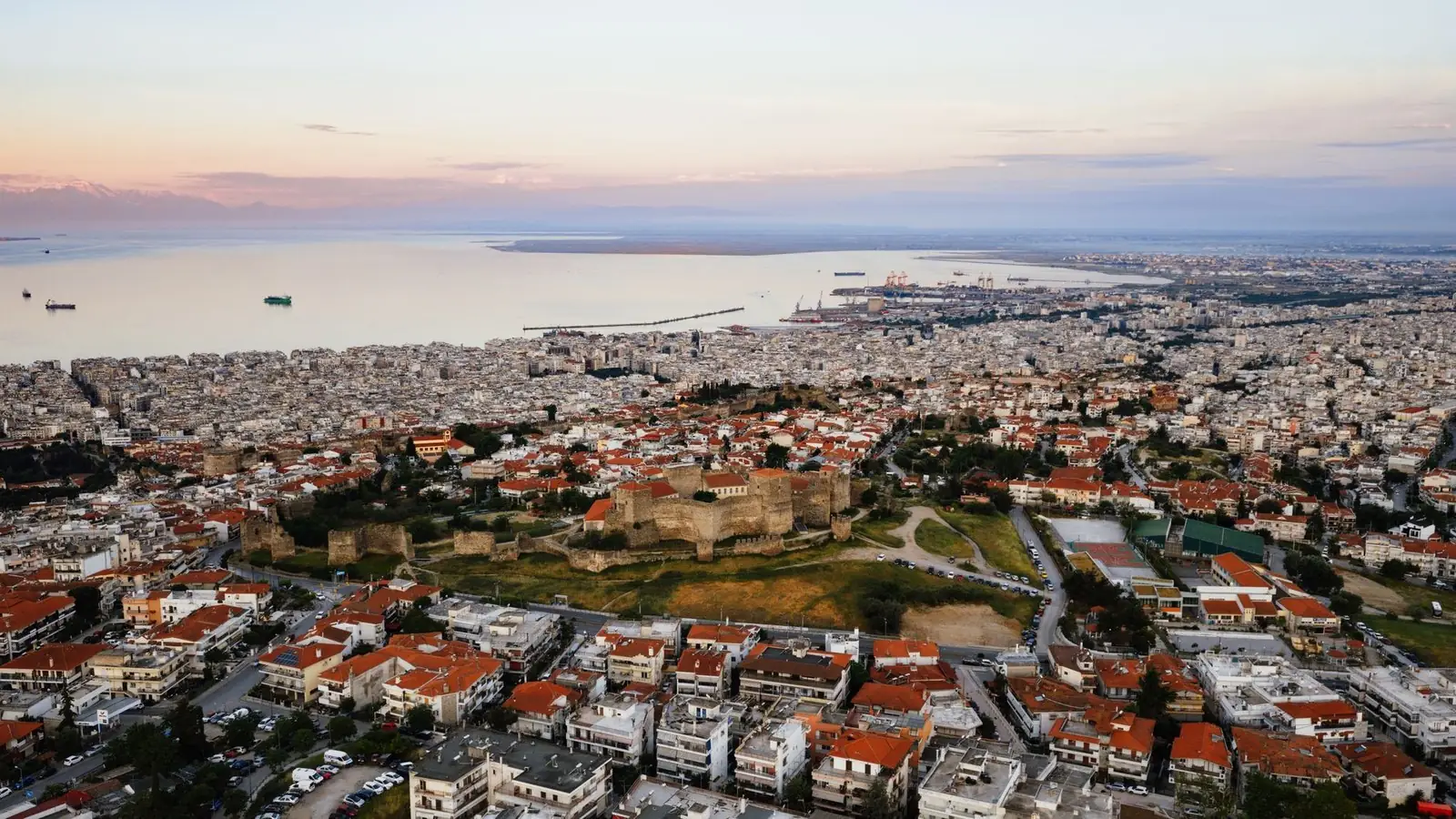

Byzantine Stone and Ottoman Selânik
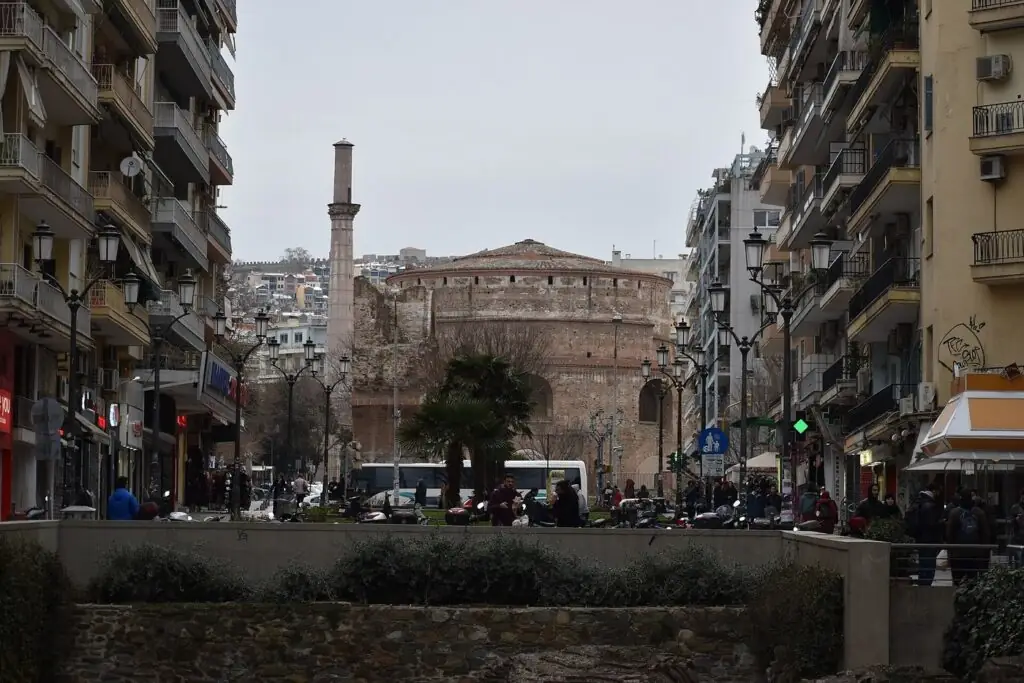
The earliest visible layers are Byzantine. Heavy brick-and-stone structures — the Rotunda, the Church of Hagios Demetrios, the long city walls — anchor the UNESCO Paleochristian and Byzantine World Heritage listing.
But for roughly five centuries this was Ottoman Selânik — a genuinely multi-imperial port, not a Greek-only story. That era is still legible in the domed Bey Hamam, the arcaded Bezesteni covered market, and the preserved timber-framed house where Mustafa Kemal Atatürk, the founder of modern Turkey, was born; it is now a museum, alongside the Turkish consulate.
The Lost Sephardic City
To understand Thessaloniki, you have to give real weight to its Sephardic history. After the 1492 expulsion of the Jews from Spain, the city became one of the great Sephardic Jewish centres in the world. For a long, sustained stretch it was a Jewish-majority city, widely known as “the Mother of Israel,” where Ladino was the common language of the port. That continuity was severed in 1943, when the occupying Nazi forces deported almost the entire community — some forty-nine thousand people — to Auschwitz; the overwhelming majority were murdered, and fewer than two thousand survived. The scale of the loss is absolute, and it still sits heavily on the city.
Fire, Refugees, and the Plate
The shape of the modern centre was set by two upheavals. In 1917 the Great Fire gutted the lower city, wiping out the dense, twisting Ottoman street plan; the centre was rebuilt on the broad grid you walk today. Then, in the early 1920s, the population exchange brought a vast influx of Greek refugees from Asia Minor, who reshaped the city again — and its food.
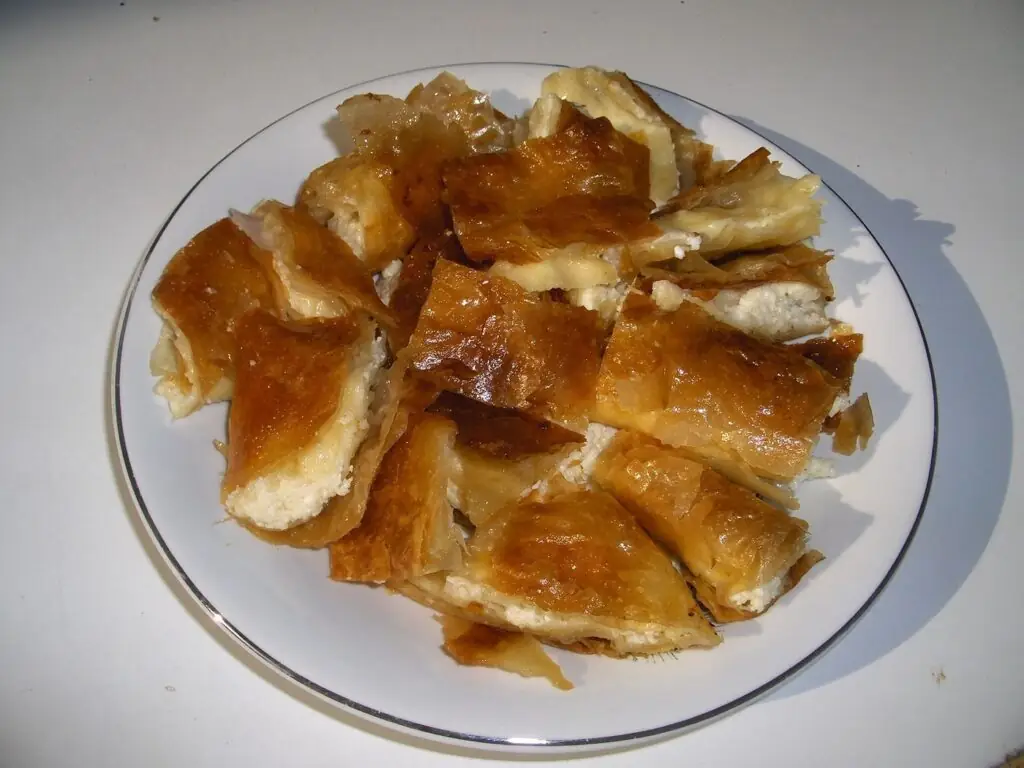
You don’t meet the local cooking through a list of grand restaurants but at a crowded table in the Kapani or Modiano markets: the sharp cut of feta, the Anatolian and Pontic spices in the grilled meats, the slow sipping of strong tsipouro over endless small plates of mezedes, the heavy, sweet slice of warm bougatsa in its paper.
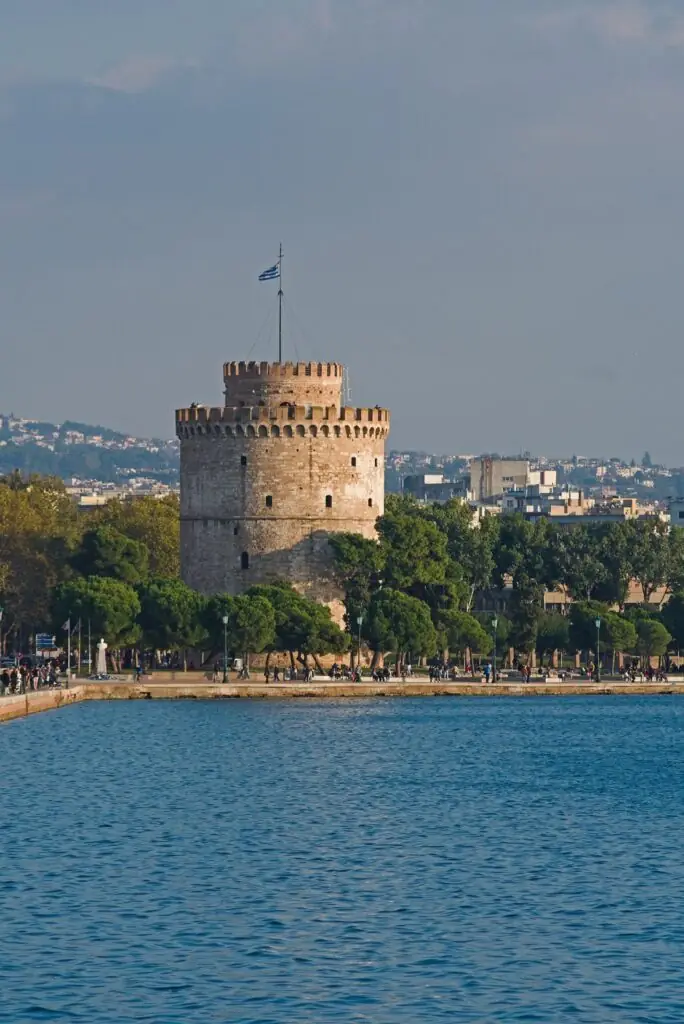
The Tower and the Upper Town
The city’s most recognisable symbol, the White Tower, anchors the waterfront. Today it’s a museum and a favourite meeting point, but it carries a grim past as a notorious Ottoman prison and place of execution.
To see what the city looked like before the 1917 fire, climb to the Ano Poli (the Upper Town). Set high enough to escape the flames, it keeps the narrow, winding lanes and overhanging Ottoman-style timber houses the lower city lost. Follow the heavy Byzantine walls up here for the clearest view back down over the gulf.
US, UK, and EU visitors currently get visa-free short stays in the Schengen area, though the EU’s ETIAS pre-authorisation system is being phased in. Entry rules change, so check current requirements before you book.
The best way to know the city is to find a quiet corner off the main avenues. My clearest memory is a small, uneven table in a backstreet taverna, the waiter wordlessly bringing “one more” plate of grilled octopus long after we’d finished ordering, while the faint shape of a long-silent minaret caught the last of the evening light.
FAQ
How do I get from Thessaloniki airport into the city?
Makedonia Airport (SKG) is about sixteen kilometres from the centre. The dedicated airport bus runs a reliable service of roughly forty-five minutes, or you can take a taxi from the arrivals rank.
What should I eat in Thessaloniki?
The food leans on small plates and Anatolian spices. Go for bougatsa (flaky pastry filled with custard, cheese, or minced meat) for breakfast, and spend evenings sharing mezedes — grilled octopus, spiced meatballs — with tsipouro.
Is Thessaloniki worth visiting over Athens?
They do different jobs. Athens is essential for classical antiquity and monument-heavy itineraries. Thessaloniki is the better choice for a working port city with a relaxed café culture, layered history, and arguably the best food in the country.
When is the best time to visit?
Spring (April to early June) and autumn (September to October) are ideal, with comfortable temperatures for walking the hills. Summer can be fiercely hot, and winter brings damp, chilling winds off the gulf.


