

The Living Room of the City
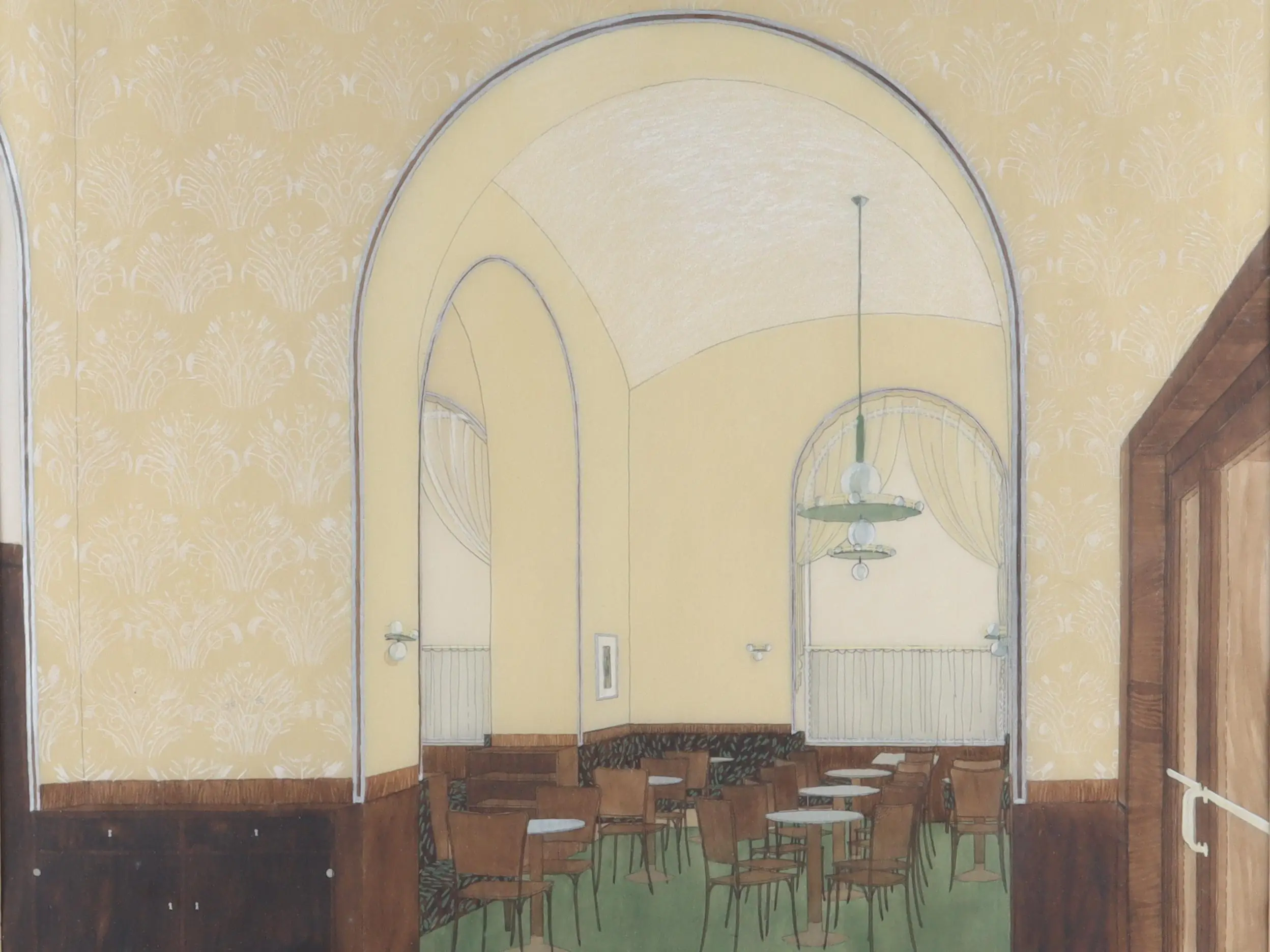
The Viennese coffeehouse culture is so deeply entrenched that it is genuinely UNESCO-listed. It was famously described as the “living room of the city,” a place to read, write, and simply be left alone. It is important to be honest here: the most famous, glittering names in the first district now operate largely as tourist stages, complete with queues out the door. But walk ten minutes further out, and the true ritual holds firm in the quieter, worn-velvet establishments where the locals still sit and linger.
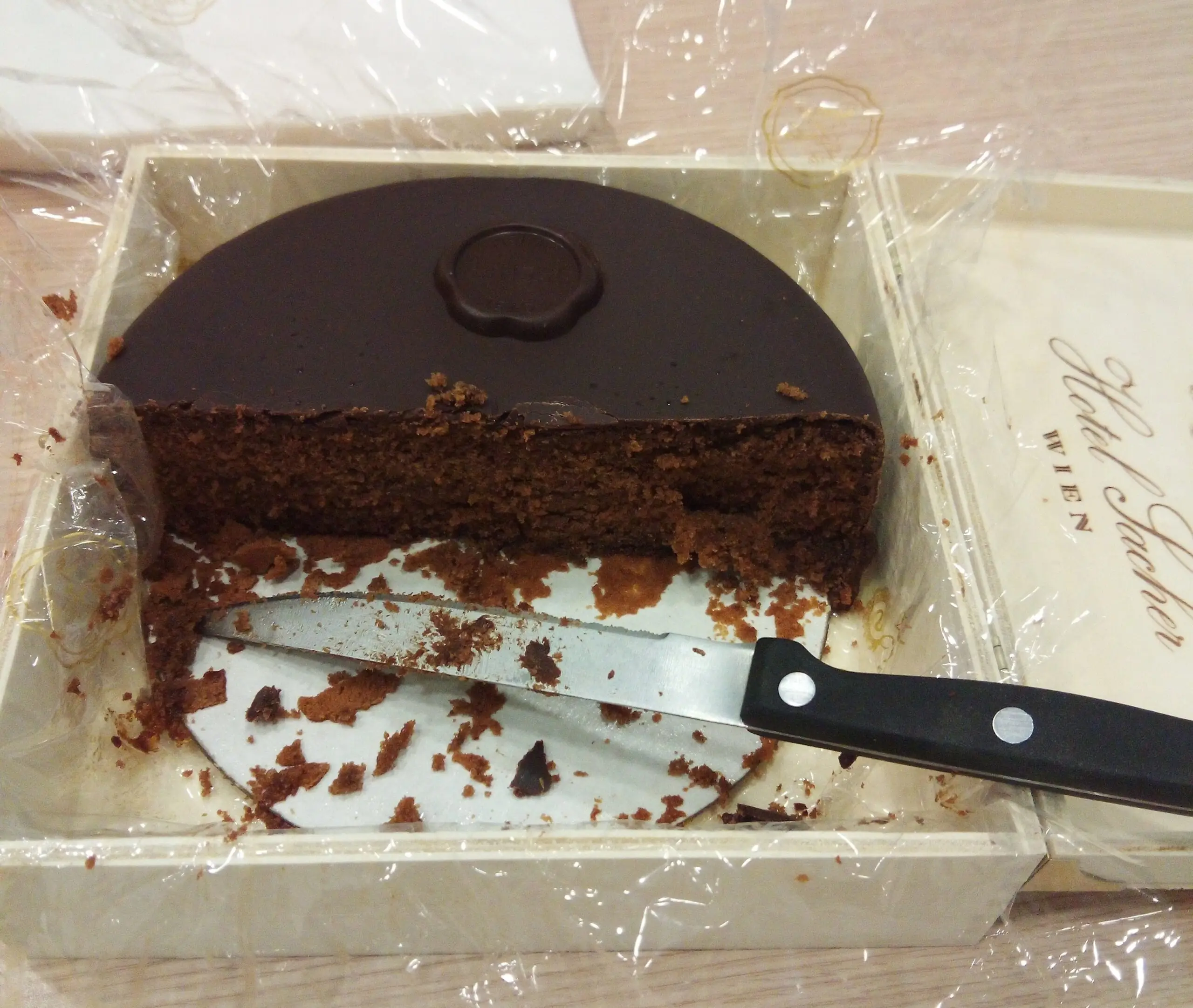
That culture extends to the pastry display, home to the famous Sachertorte. The chocolate-and-apricot cake is the subject of a very real, famously absurd, decades-long legal dispute between the Hotel Sacher and the Demel bakery over who has the right to use the phrase “Original Sacher-Torte.” It is a dispute fought over a thin layer of jam, but it perfectly captures the city’s intense dedication to its culinary history.
The Weight of Empire
Vienna is defined by its former scale. The Habsburg legacy—from the vast winter palace of the Hofburg to the sprawling summer residence of Schönbrunn—was built to rule an empire that no longer exists. Nowhere is this more visible than the Ringstrasse. This grand, monumental boulevard was built in the 1860s directly over the line of the demolished medieval city walls. Walking it today, you feel the distinct, faint melancholy and heavy formality of an imperial capital that has outlived its empire.
That extraordinary concentration of power led to an incredible intellectual and artistic ferment. In the years around 1900, fin-de-siècle Vienna was the crucible of the modern world. Gustav Klimt and the Secession movement, Egon Schiele, Sigmund Freud, and Gustav Mahler were all working in the same streets. You can still feel that echo, particularly when standing in the Belvedere palace in front of Klimt’s shimmering masterpiece, The Kiss.
Music Without the Kitsch
Vienna was the working home of Mozart, Beethoven, Schubert, Strauss, and Mahler. However, if you want to hear their music, you must navigate the tourist traps. Ignore the ticket touts dressed in cheap velvet coats and powdered Mozart wigs outside St. Stephen’s Cathedral; their costumed concerts are pure, unadulterated kitsch.
To hear the genuine article, you must look to the city’s revered institutions. The acoustics of the Musikverein are legendary, while the Staatsoper (State Opera) remains one of the finest in the world. Crucially, the Staatsoper still reserves heavily subsidised, cheap standing-room tickets for every performance, ensuring that high culture remains accessible to the city’s residents.
The Grumpy Charm
The Viennese character requires a little translation. The locals are formal and famously reserved, operating with a dark, deeply dry wit known as Wiener Schmäh. Do not mistake this distance—or the famously abrupt service in the traditional coffeehouses—for rudeness. It is simply a “grumpy charm,” a protective layer in a city that values its privacy and takes its time.
My own sharpest memory of Vienna is standing at a Würstelstand (sausage stand) near the opera house late at night. A woman in a full, sweeping evening gown stood next to a taxi driver, both of them silently eating a Käsekrainer (cheese-filled sausage) from a paper plate in the freezing rain. Neither spoke, both were perfectly content. It is a city that knows exactly what it is, and feels absolutely no need to rush.
Austria is part of the Schengen Area, meaning short, visa-free stays for most Western passports, with the ETIAS system expected to apply to visa-exempt visitors in the near future. Border rules are always subject to change, so carefully check current requirements before you travel.
FAQ
When is the best time to visit Vienna?
Spring (April to May) and early autumn (September to October) offer mild weather and fewer crowds. However, Vienna in December is extraordinary for its Advent atmosphere and traditional Christmas markets, while the formal ball season follows in January and February.
What is a Viennese coffeehouse?
It is far more than a café; it is an institution where you pay for time and space as much as for the coffee. You are expected to linger for hours over a single cup, read the newspapers provided, and enjoy the atmosphere without being rushed.
Where can I hear classical music in Vienna without the tourist trap?
Avoid the costumed touts selling “Mozart concerts” on the street. Instead, book tickets at the Musikverein, the Konzerthaus, or the Staatsoper (which also offers excellent, cheap standing-room tickets if you queue on the day).
How many days do I need in Vienna?
Three to four days is ideal to explore the Hofburg and Schönbrunn palaces, view the art at the Belvedere or Albertina, and spend a few quiet afternoons participating in the coffeehouse ritual.
Images: Diego Delso / CC BY-SA 4.0; Attributed to Carl Witzmann / Public domain; SWT666 / CC BY-SA 4.0. Source: Wikimedia Commons.
Read also
- Gorgeous beaches in Bulgaria
- Great Britain. Capital London
- Reykjavik: City of Harmony of Nature and Culture


