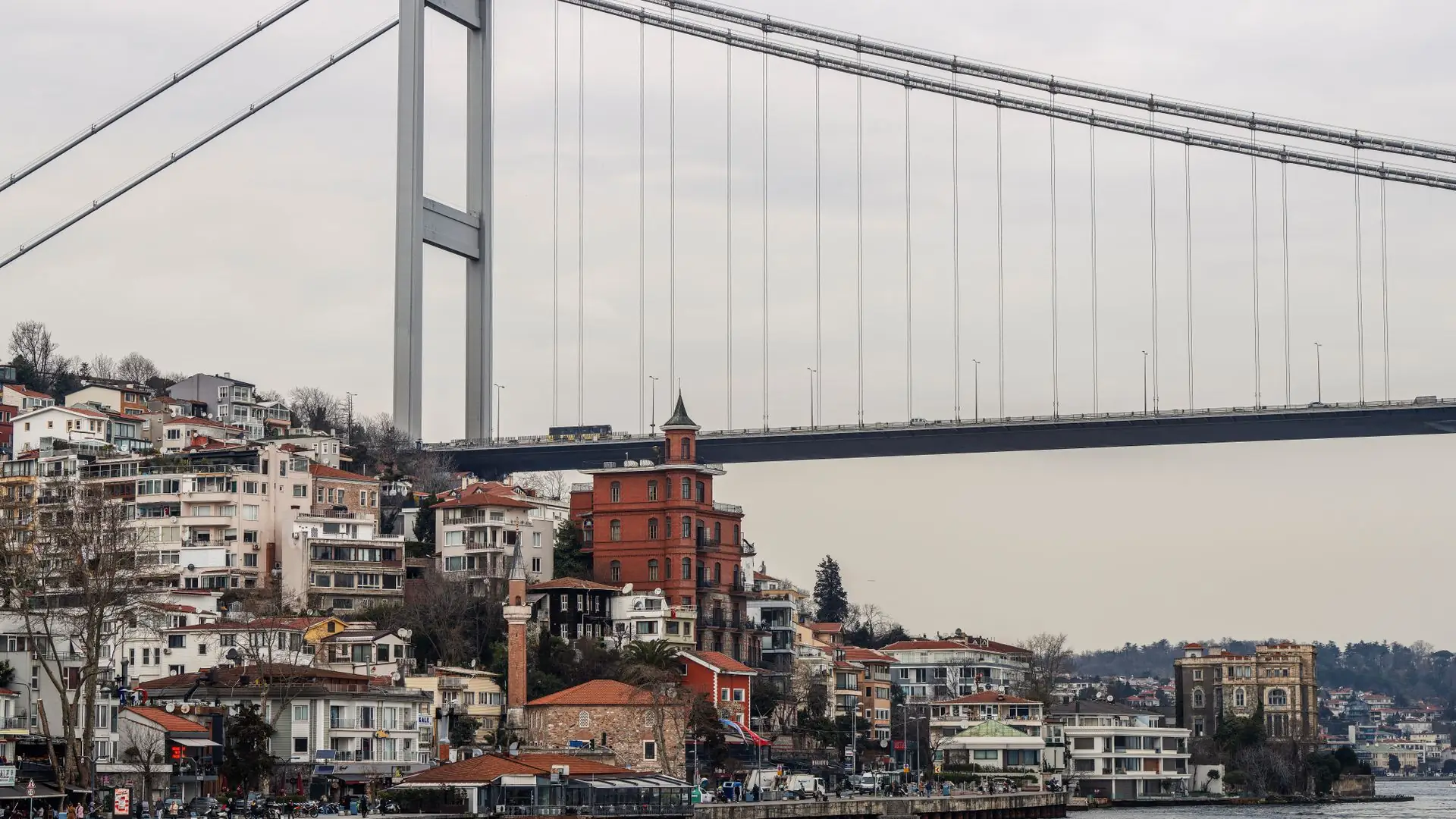

Istanbul is a major global aviation crossroads and the primary transit hub connecting Europe, Asia, and Africa. Because the metropolitan area is served by two major international airports, finding cheap flights to Istanbul is highly achievable, but navigating the transport links and planning your connection requires understanding the distinct locations and carrier layouts of this divided city. Booking platforms list both gateways under the collective city code IST, but your ticket will specify one of two individual gateways.

The Two-Airport Split: IST vs. SAW
Istanbul’s airports are divided by geography, carrier type, and transport networks:
- Istanbul Airport (IST): Located on the European side, approximately 40 kilometers north of the city center. IST is the mega-hub for the national flag carrier and premium airlines, offering modern terminals and rapid subway connections.
- Sabiha Gökçen Airport (SAW): Located on the Asian side, approximately 45 kilometers southeast of central districts like Taksim. SAW is the primary base for low-cost and budget carriers.
Because the two fields are separated by a strait, a self-transfer between them requires crossing approximately 80 kilometers of highway and a Bosphorus bridge, with transfer times taking between 90 and 120 minutes depending on road congestion. Always verify which airport your airline uses before you finalize your lodging.
Getting into the City from Istanbul Airport (IST)
Transit options from the European mega-hub include:
- M11 Metro Line: The high-speed subway line connects the airport terminals directly to Gayrettepe station in approximately 30 minutes, where travelers can transfer to the M2 subway line to reach central Taksim and Sultanahmet.
- Havaist Express Buses: These luxury airport coaches run scheduled routes connecting the terminal to major squares across the city, including Taksim and Aksaray.
- Authorized Taxis: Official taxis operate from designated ranks outside the terminal, charging metered rates that can fluctuate based on traffic.
Getting into the City from Sabiha Gökçen (SAW)
Transit options from the Asian gateway include:
- M4 Metro Line: The subway line connects the airport terminal directly to the Kadıköy transport hub on the Asian coast in approximately 50 minutes. From Kadıköy, you can take a ferry to reach the European side.
- Havabus Coach Services: Express buses run scheduled routes directly between the airport and Taksim Square or Kadıköy.

The Carrier Landscape
Istanbul is the global fortress hub for Turkish Airlines, which holds the official distinction of flying to more countries than any other airline, serving over 130 nations. Turkish Airlines and major European legacy carriers like Lufthansa, British Airways, KLM, and Air France operate exclusively out of IST. Sabiha Gökçen (SAW) is dominated by low-cost carriers, serving as the main base for Pegasus Airlines. Additionally, AJet, the low-cost subsidiary of Turkish Airlines, operates a prominent domestic and regional network from SAW, offering budget-friendly flights across Turkey and Europe.

The Stopover Engine
If you are transiting through Istanbul, you can utilize the city’s connectivity to plan a stopover. Turkish Airlines operates a stopover programme for connecting passengers with layovers of at least 20 hours, providing a complimentary hotel stay—one night for economy travelers and two nights for business class. Alternatively, passengers with layovers between 6 and 24 hours can register for Touristanbul, a complimentary sightseeing tour of the city’s historic core that includes transfers and entry fees. You can plan an open-jaw ticket or layover to turn a simple connection into a second destination, as detailed in our Istanbul guide.
The Travel Calendar: The Moving Month
Istanbul’s travel season is dictated by a mix of Gregorian seasons and Islamic holiday calendars:
- The Moving Month of Ramadan: The Islamic holy month of Ramadan shifts approximately 11 days earlier every Gregorian year. During the surrounding Eid al-Fitr and Eid al-Adha holidays, domestic travel surges and flight fares spike. In contrast, during the month of Ramadan itself, tourist-area restaurants remain open and crowds in the historic center are often thinner.
- The Fixed Peaks: Summer high season (June–August) brings hot weather and peak pricing. The annual Tulip Festival in April also draws large crowds and price spikes.
- The Value Window: Late autumn through winter (November–February) represents the cheapest time to visit, offering cool weather, occasional snow, and softer hotel rates.
Booking Mechanics
To secure the best rates on flights to Istanbul, you should begin monitoring ticket prices four to six months before departure. Midweek travel on Tuesdays and Wednesdays typically yields cheaper fares. If you are booking a self-transfer between different carriers on separate tickets, you must allow for a generous connection buffer to change terminals across the city.
Entry Requirements
Entry regulations for Turkey have recently changed. Citizens of the United States, United Kingdom, and Canada holding ordinary passports are exempt from visa requirements for tourist stays of up to 90 days within any 180-day period—the US and Canadian exemptions date only from early 2024. Australian citizens are not covered by that exemption and still need to obtain an e-visa online before departure via the official evisa.gov.tr portal. Passports must have at least six months of validity remaining from the arrival date; check current requirements before booking your flight.
The Final Caveat
While finding cheap flights to Istanbul is highly achievable, landing at Sabiha Gökçen on the Asian side when your hotel is in the European historic center can result in significant transfer times and extra costs. Always align your arrival airport and flight times with your final destination to ensure your travel budget remains protected.
FAQ
Which Istanbul airport is better, IST or SAW?
Istanbul Airport (IST) is generally better for visitors staying on the European side (Taksim or Sultanahmet) due to its modern terminal and direct metro connections. Sabiha Gökçen (SAW) is located on the Asian side and is the primary hub for budget carriers, representing a cheap but more distant option.
How do I get from Istanbul Airport to Sultanahmet or Taksim?
Travelers can take the high-speed M11 Metro line from IST to Gayrettepe in approximately 30 minutes, then transfer to the M2 subway line toward Taksim and the historic center. Alternatively, Havaist express buses connect the terminal directly to central squares.
Does Turkish Airlines offer a free stopover hotel?
Yes. The Turkish Airlines stopover programme provides a complimentary hotel stay—one night for economy and two nights for business class—for transit passengers with a layover of at least 20 hours in Istanbul. Pre-booking is required.
What is the cheapest time to fly to Istanbul?
Fares are generally lowest during the winter low-season months of November through February, excluding the New Year holiday period, when tourist demand is softer and temperatures are cooler.


