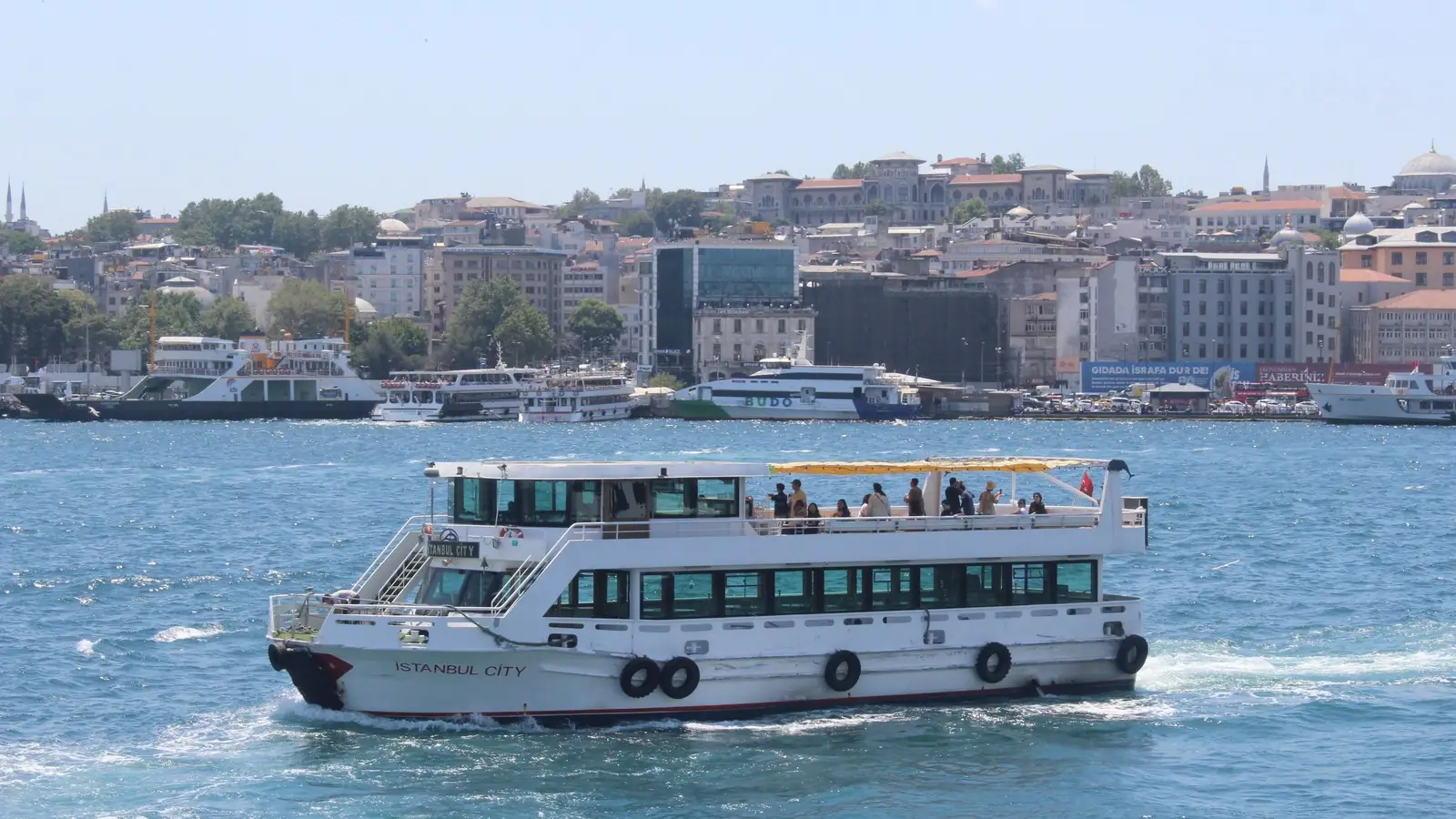

Istanbul is one of the most popular aviation hubs in the world, serving as the bridge between Europe, Asia, and Africa. Because it is home to a massive international carrier, searching for cheap flights to Istanbul often reveals highly competitive fares. However, before you click purchase, you must verify which of the city’s two airports you are booking.
Two Airports on Two Continents
Istanbul’s aviation system is split across two main gateways, located on different sides of the Bosphorus:
- Istanbul Airport (IST): Located on the European side, about forty kilometers northwest of the historic center. Opened in 2019, IST is the primary international hub and the home base for Turkish Airlines. It is one of the largest and most modern airports in the world.
- Sabiha Gökçen Airport (SAW): Located on the Asian side, about forty kilometers southeast of the center. SAW is the primary base for low-cost airlines like Pegasus and AJet.
If you book a cheap flight into one airport but your accommodation is located near the other, the cross-city transfer can take up to two hours depending on highway traffic, quickly erasing any initial savings on the ticket.
The Turkish Airlines Stopover Advantage
Istanbul is a major stopover destination, largely because Turkish Airlines serves more countries than any other carrier. If you book a long-haul connection through IST, you may be eligible to take advantage of the airline’s transit programs:
- Stopover Accommodation: Under this program, eligible passengers on qualifying round-trip tickets can receive a complimentary hotel stay in the city during a long layover.
- Touristanbul: Passengers with a layover of a specific duration can book a free guided tour of the city’s key sights, which includes transit to and from the airport.
Because rules, passenger eligibility, and minimum layover times can change, you should check the current program guidelines and register in advance before finalizing your itinerary.
Getting to the City from Istanbul Airport (IST)
Reaching the European districts from the main hub is highly efficient:
- M11 Metro Line: This modern underground line connects the IST terminal directly to the city’s metro network, offering a fast and predictable transfer that bypasses highway traffic.
- Havaist Buses: These comfortable airport express buses run regularly to key central districts, including Taksim and Sultanahmet, though journey times are subject to road delays.

Getting to the City from Sabiha Gökçen (SAW)
If you land on the Asian side, you have similar transit options:
- M4 Metro Line: The metro line connects the SAW terminal directly to the Kadıköy district on the Asian shore, making it the better airport choice if your hotel is located on this side of the Bosphorus.
- Havabus Shuttles: These shuttle buses run from the terminal to central hubs like Taksim and Kadıköy.
To navigate all public transit, including the metro, local buses, and the scenic passenger ferries crossing the Bosphorus, you should purchase a rechargeable Istanbulkart at the airport stations.

Weather and Fare Seasons
Istanbul is a seasonal market, and fares vary throughout the year:
- High Season: Summer (June to August) brings the warmest weather, the largest crowds, and the priciest flights. Spring and autumn are also highly popular.
- Holiday Shifts: Travel demand and local prices spike during major religious holidays, including Ramadan and Eid. The dates for these holidays shift every year, so check the calendar before booking.
- Off-Peak: Winter is generally the cheapest period for flights and accommodation, though the weather can be rainy and cold.
Entry Requirements
Many nationalities are eligible for visa-free entry or can obtain an electronic visa (e-visa) online prior to departure. Entry rules vary significantly based on your passport and are subject to change; verify current requirements before booking your flight.
FAQ
Which Istanbul airport should I fly into?
Istanbul Airport (IST) on the European side is best for long-haul routes, full-service carriers, and flights on Turkish Airlines. Sabiha Gökçen (SAW) on the Asian side is the primary budget hub, ideal if you are flying low-cost carriers or staying in Asian districts like Kadıköy.
How do I get from Istanbul Airport to the city center?
You can take the M11 metro line for a fast, traffic-free transfer into the city’s rail network. Alternatively, the Havaist express buses run directly to Taksim and Sultanahmet.
Is a long layover in Istanbul worth it?
Yes. If you fly Turkish Airlines, a qualifying connection can grant you access to a free hotel stay through their stopover program, or a free guided city tour via Touristanbul. Check the airline’s current program rules for eligibility.
When is the cheapest time to fly to Istanbul?
Flights are generally cheapest during the winter months from November to February, avoiding the peak summer tourist season and major holiday periods.


