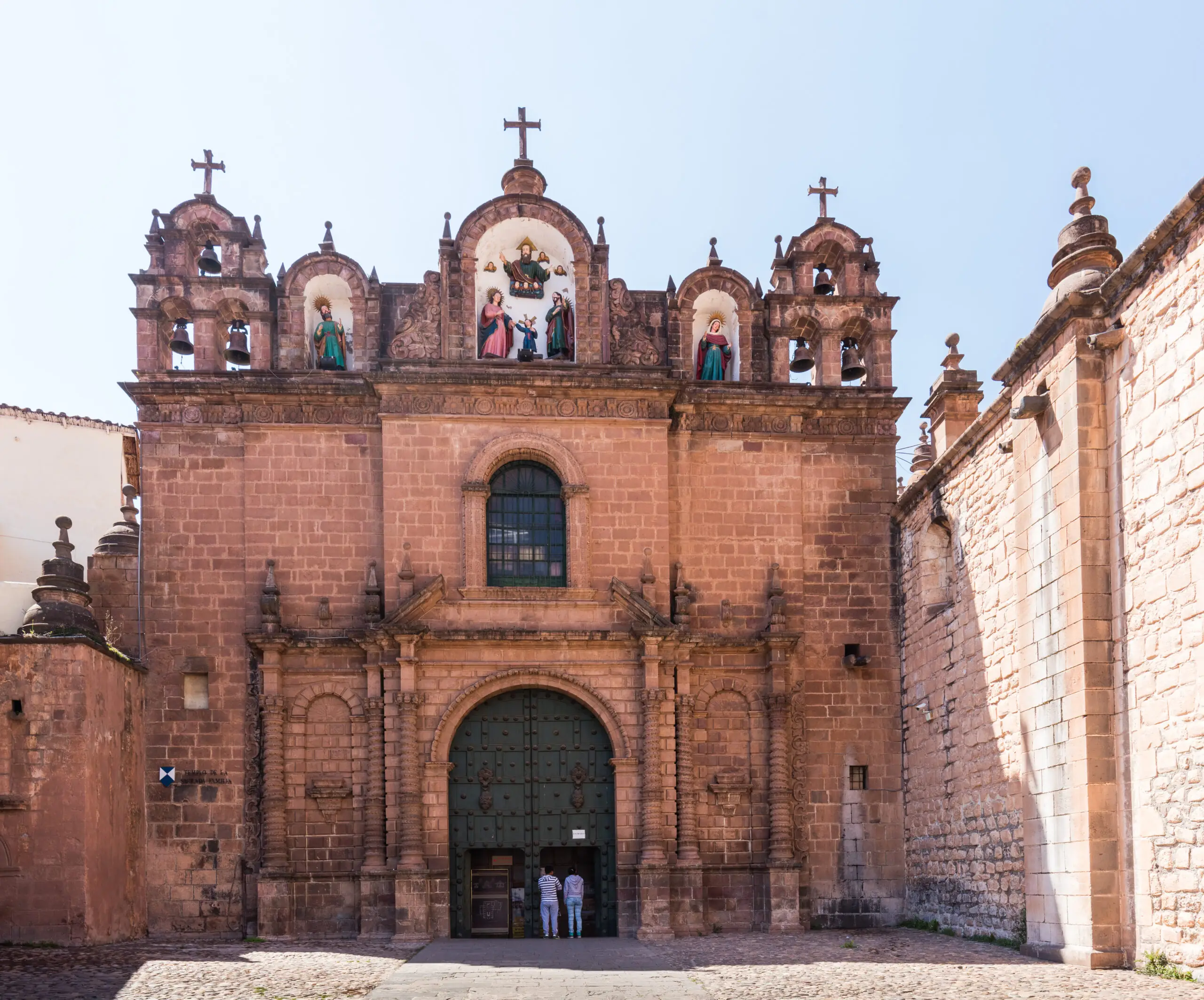

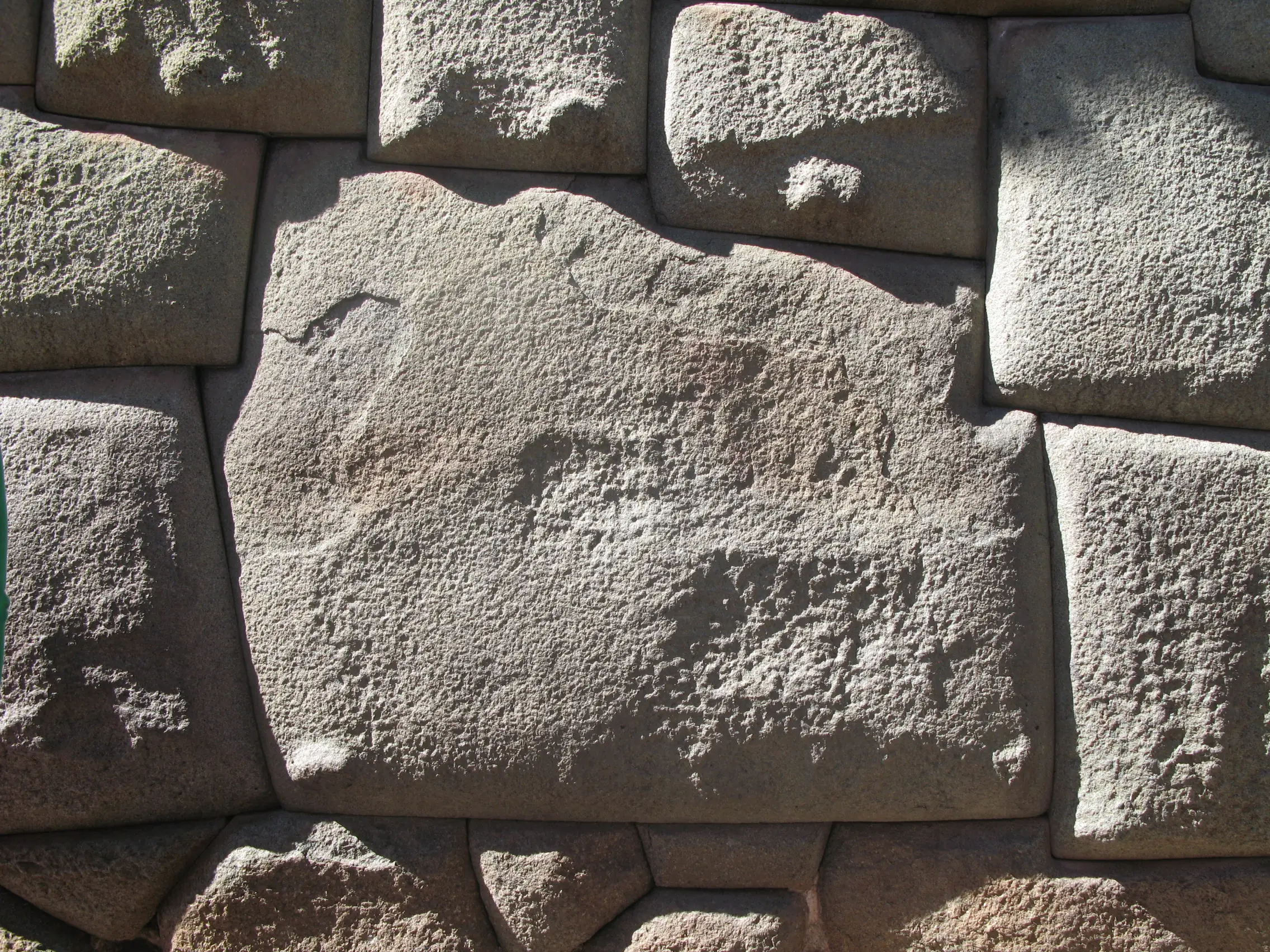
Conquest Written in Stone
The Spanish did not simply replace the Inca capital; they grafted their own city onto its foundations. This layered stone defines the historic centre. The grand baroque cathedral on the Plaza de Armas sits heavily over the remains of an Inca palace, and the Santo Domingo convent was built directly over Qorikancha, the empire’s most sacred sun temple. This is not just picturesque architectural decoration; it is the deliberate, physical suppression of one empire by another, resulting in an uneasy, stunning hybrid.
The Reality of the Altitude
Cusco sits at an elevation of roughly 3,400 metres, and the altitude is a blunt physical reality that hits almost everyone upon arrival. There is a common tourist assumption that sheer willpower will prevent soroche (altitude sickness), but the local response is far more practical: take a painfully slow first day, drink plenty of water, and accept the offer of mate de coca (coca leaf tea) at your hotel. Because of the elevation, many experienced travellers now choose to acclimatise lower down in the Sacred Valley before returning to tackle the city’s steep, cobbled hills.
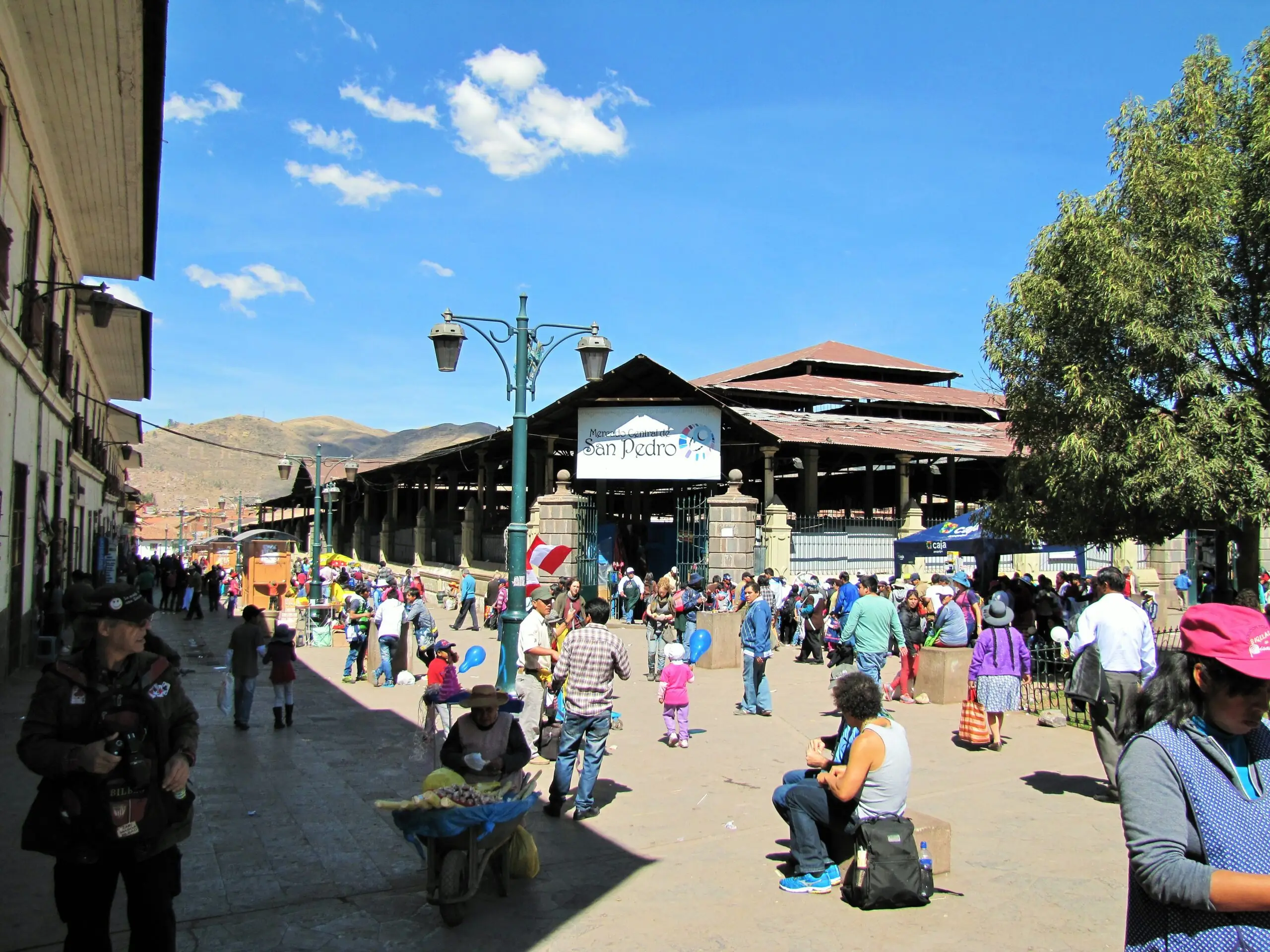
The Living Quechua Present
It is crucial to recognise that Cusco is a living Andean city, not merely a museum of a lost empire. Quechua is still widely spoken in the streets and markets. At the sprawling San Pedro market, you will find the everyday reality of the region, from heavy sacks of native potatoes to textiles that represent intense manual labour.
The city is also famous for its massive festivals, particularly Inti Raymi in June. However, it is worth noting that while this festival celebrates the sun god, it is a 20th-century reconstruction—revived in the 1940s from historical chronicles—rather than an unbroken ancient rite. Understanding this distinction allows you to respect the living culture without falling for the romantic “lost Inca” myth.
The Machu Picchu Machine
There is no avoiding the fact that Cusco is the primary funnel for the Machu Picchu tourism machine. The city’s economy is heavily geared towards the train routes, the complex permit systems, the timed entry tickets, and the relentless agencies and touts selling the trek. You will frequently hear the site marketed through the lens of “mystical Inca energy”—a lucrative, largely invented narrative that sits awkwardly against the reality of a heavily managed, strictly capped, and thoroughly queued archaeological site. Naming this gap does not diminish the genuine wonder of Machu Picchu, but it does prepare you for the industrial scale of the logistics required to see it.
The Modern Trade-offs
This immense pressure has very real consequences for Cusco. The historic centre is facing intense overtourism and the displacement that comes with an overwhelming volume of short-term lets. The beautiful San Blas artisan quarter is heavily gentrified. Most pressingly, the tourism boom relies on the intense physical labour of the porters working the Inca Trail. Their working conditions, carry weights, and wages are a genuine, ongoing labour issue that deserves to be acknowledged by anyone booking a trek, rather than glossed over in the excitement of the journey.
My sharpest memory of the city came during a sudden, freezing downpour. I ducked into a doorway behind a local woman in a traditional bowler hat and heavy woven skirts. As we stood against centuries-old Inca masonry waiting for the rain to pass, she pulled a sleek, modern smartphone from her shawl to rapidly voice-note a friend in Quechua.
If you are planning a trip, note that most Western visitors enter Peru visa-free for short tourist stays, though you should always check current requirements before booking your flight.
FAQ
Is Cusco worth visiting beyond Machu Picchu?
Absolutely. It is a dense, historically layered, and fascinating city in its own right. Treating it merely as a transit hub or a waiting room for the ruins does a massive disservice to its architecture, food, and living culture.
How do I handle the altitude in Cusco?
Take the threat of soroche seriously. Plan for minimal physical exertion on your first day, stay highly hydrated, avoid heavy meals and alcohol initially, and consider spending your first few nights at a lower elevation in the Sacred Valley to acclimatise.
Should I acclimatise before Machu Picchu?
Machu Picchu (at around 2,430 metres) is significantly lower than Cusco (3,400 metres). The altitude sickness usually hits in Cusco or on the high passes of the Inca Trail, not at the ruins themselves.
What’s the best time to visit Cusco?
The dry season from May to September offers the clearest skies and the most reliable trekking conditions, though June and July are the coldest and busiest months. The rainy season (December to March) brings heavy downpours that can disrupt travel and close certain trails.
Images: Diego Delso / CC BY-SA 4.0; Ljuba brank at Slovenian Wikipedia / Public domain; Chuck Moravec / CC BY 2.0. Source: Wikimedia Commons.
Read also
- The Reality of Havana: Music, Classic Cars, and Daily Life
- Cancun: Your Ultimate Guide to Mexico’s Tropical Paradise
- How to relax in Venezuela?


