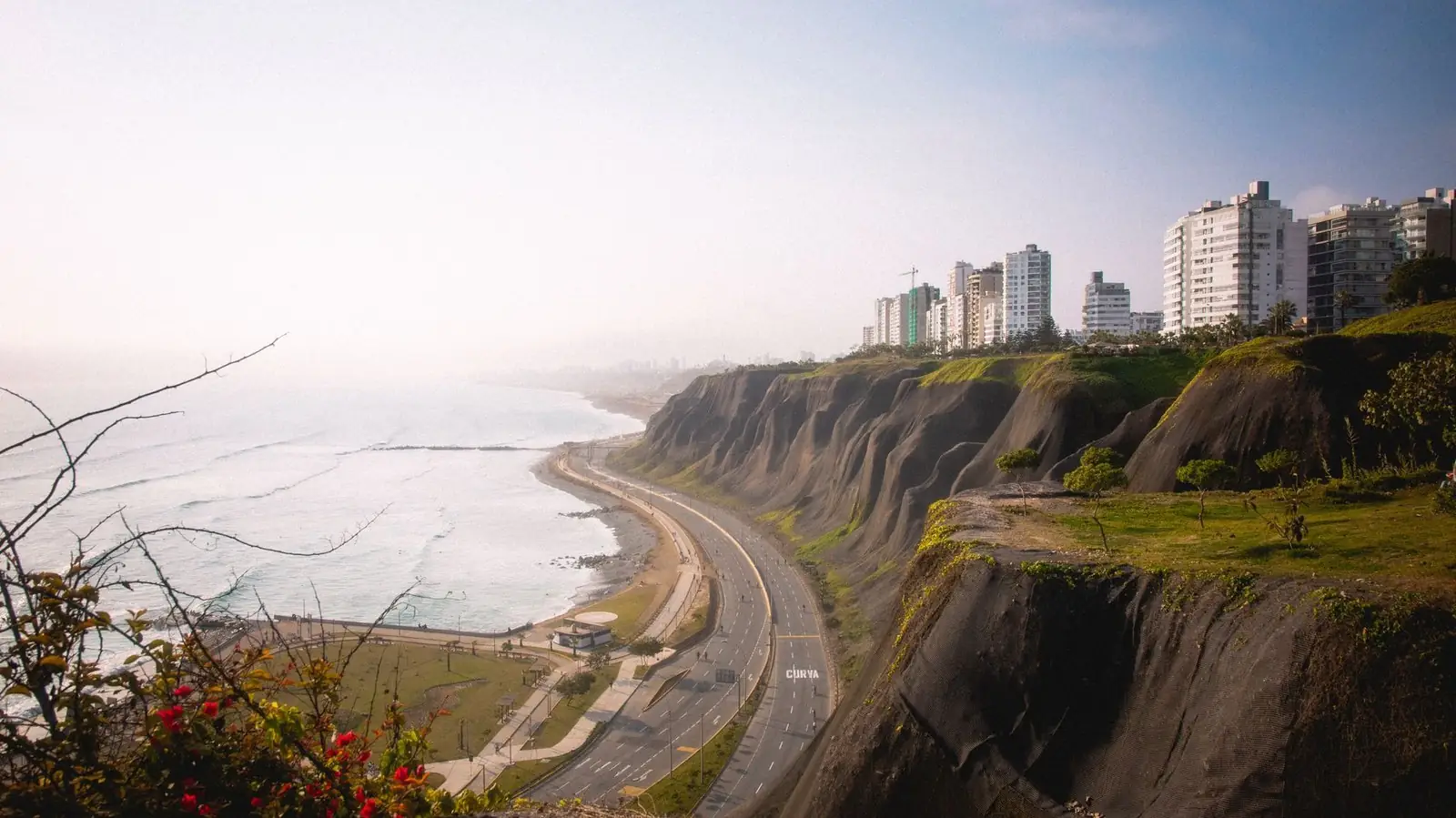

Almost everyone booking a flight to Peru has one goal in mind: Machu Picchu. But because the ancient ruins are located high in the Andes while the primary international gateway is at sea level, getting there requires two distinct phases of travel. If you want to plan your arrival, connection, and altitude adjustment like an operations analyst, you need to understand how the Peru flight network and the terrain interact to drive your actual costs.
Lima as the Gateway: Terminal Changes and Hub Routing
Your entry point to Peru will be Jorge Chávez International Airport (LIM) in Lima.
The airport is the primary hub of the country, located in the Callao district. A major detail to note: Lima opened a large, modern new terminal in 2025. Older travel guides and directions will refer to the legacy layout, so pay close attention to terminal signage and verify gate locations when you land.
- Routing from North America: You can find nonstop flights from major US hubs, including Miami, Houston, Atlanta, and New York. The flight times range from five to eight hours.
- Routing from Europe: Direct flights run from Madrid, Amsterdam, and Paris. If you fly from elsewhere, you will connect through one of these European hubs or route through the United States.
When comparing fares, do the math on connection times. If you connect through the US, you will have to clear security and baggage recheck, which requires a larger layover window.
From an entry standpoint, Peru is visa-free for tourist stays for most Western passports (including the US, UK, EU, Canada, and Australia), with the allowed length of stay set by immigration officials on entry; check current requirements before you book.

The Cusco Connection: Managing the Flight Math
To reach Machu Picchu, you must travel from Lima to Alejandro Velasco Astete International Airport (CUZ) in Cusco.
This domestic connection is the most critical leg of the trip. Several carriers run this route, including LATAM, Sky Airline, and JetSmart.
When booking this domestic leg, follow two operations rules:
- Book on a Single Ticket: If possible, book your international and domestic flights on one single itinerary. If you book separate tickets (a self-transfer) and your inbound flight is delayed, the domestic carrier is under no obligation to rebook you, and you will lose your seat. If you must book separate tickets, leave a buffer of at least four hours in Lima.
- Fly in the Morning: Always book a morning flight to Cusco. The weather in the Andes changes rapidly in the afternoon. High winds, rain, and heavy cloud cover are common after midday, frequently causing domestic flights to be delayed, diverted, or canceled entirely. A morning departure minimizes this risk.

Altitude Logistics: Cusco vs. The Sacred Valley
Cusco sits at roughly 3,400 meters (11,000 feet) above sea level. This is a massive jump from sea-level Lima, and the thin air hits your system instantly.
Acclimatization is a logistical and health requirement. If you attempt to climb or hike immediately after landing, you risk ruining your trip.
A smart logistical option is to land in Cusco, bypass the city immediately, and head straight down to the Sacred Valley (such as Urubamba or Ollantaytambo). These towns sit at a lower elevation of around 2,870 meters (9,400 feet), allowing your body to adjust more gently. You can visit Machu Picchu first, then spend your final days exploring the higher elevation of Cusco. Regardless of your itinerary, talk to a doctor about altitude sickness and any preventive medication before you depart.
Dry vs. Wet Season: When to Book
Peru’s seasons are divided into dry and wet periods, which directly drive flight demand.
- The Dry Peak (May through September): This is the winter season in the Southern Hemisphere, offering clear skies and dry trails. This is the busiest and most expensive time to fly to Peru, particularly in late June during the Inti Raymi (Sun Festival) in Cusco. Book your flights and train tickets at least four months in advance.
- The Wet Season (November through March): This is the summer period. Heavy rains are common, and the famous Inca Trail is closed for maintenance in February. Flights and accommodations are at their cheapest, making it the best window for budget travelers who do not mind rain gear.
- Lima’s Garúa Fog: Keep in mind that Lima has its own microclimate. From May to November, the city is covered in a thick, grey coastal fog (the garúa), so do not expect sunny beach weather if you stop over in the capital during these months.
Miraflores, Barranco, and Callao Transit
Lima is a world-class culinary capital, and it is worth spending a day or two in districts like Miraflores or Barranco to eat before heading to the mountains.
However, transit from the airport is a known safety check. The airport is located in Callao, an area with high crime rates. Do not walk out of the terminal to hail a taxi on the street, and ignore the touts offering cheap rides in the arrivals hall. Use the authorized taxi desks located inside the baggage claim area (such as Taxi Directo or Taxi Green) or arrange a pre-booked transfer.
FAQ
How do I get from Lima to Machu Picchu?
You must fly from Lima (LIM) to Cusco (CUZ) on a domestic flight, which takes about an hour. From Cusco, you take a bus or taxi to the train station (typically in Ollantaytambo) and then board a train to Aguas Calientes, the town at the base of Machu Picchu.
Do I need to worry about altitude?
Yes. Cusco sits at 3,400 meters (11,000 feet) above sea level. Flying directly from sea-level Lima can trigger altitude sickness. Rest on your first day, consider staying in the lower Sacred Valley first, and talk to a doctor about altitude medication before your trip.
When are flights to Peru cheapest?
Fares are lowest during the wet season (November through March) when heavy rain reduces tourist demand. Fares are highest during the dry season (May through September), especially in June.
Do I need a visa for Peru?
Tourists from the US, UK, Canada, Australia, and EU countries do not need to apply for a visa in advance for short stays. Immigration officials will grant a stay upon entry. Always verify current requirements before booking.
Images: Martin St-Amant (S23678) / CC BY-SA 3.0; TomasVial / CC0; Diego Delso / CC BY-SA 4.0. Source: Wikimedia Commons.
Read also
- Buenos Aires: Your Ultimate Travel Guide to Argentina’s Vibrant Capital
- Currency of Cuba
- Buenos Aires – Argentine air


