

Panama City is home to one of the most efficient transit hubs in the Western Hemisphere. While travelers often default to connecting through major US airports, choosing Panama’s main gateway can save you both paperwork and transit time. Understanding the logistics of this hub can transform how you route your trips across the Americas.
Skipping the US Border Loop
The single biggest advantage of connecting through Panama City is avoiding the United States transit system.
Unlike hubs in Europe or Asia, US airports do not have a sterile international transit zone. Even if you are just passing through a US airport on your way from Europe to South America, you must clear US customs and immigration, collect your baggage, recheck it, and clear airport security. This requires an ESTA or a transit visa.
Connecting through Panama City eliminates these requirements. You remain in the international transit area of the airport. Your baggage is checked through to your final destination, and you do not need to clear local border control or hold a transit visa, making it a stress-free routing option for travelers without US passports.
Copa Airlines and the Hub of the Americas
Tocumen International Airport (PTY) is the primary base for Copa Airlines, a Star Alliance member that has built its entire business model around connecting flights.
- Network Reach: Copa runs one of the widest networks in the region, connecting dozens of cities across North, Central, and South America, as well as the Caribbean.
- Transit Speed: Because the hub operates on a bank system—where waves of flights arrive and depart within short windows—layover times are often under two hours. The airport’s layout makes walking between gates quick and easy.
- Value Routing: Competing against US carriers, Copa frequently offers lower fares on routes between the Americas, making it a strong budget-friendly alternative.
The Panama Stopover and the Canal
If you want to break up your journey, you can turn your connection into a short stopover.
Copa Airlines operates a stopover program that allows transit passengers to add a stop in Panama City for up to seven days without paying extra airfare. You can add the stopover during booking. Keep in mind that program terms and hotel partner rates change over time; verify the current offer before finalizing your travel plans.
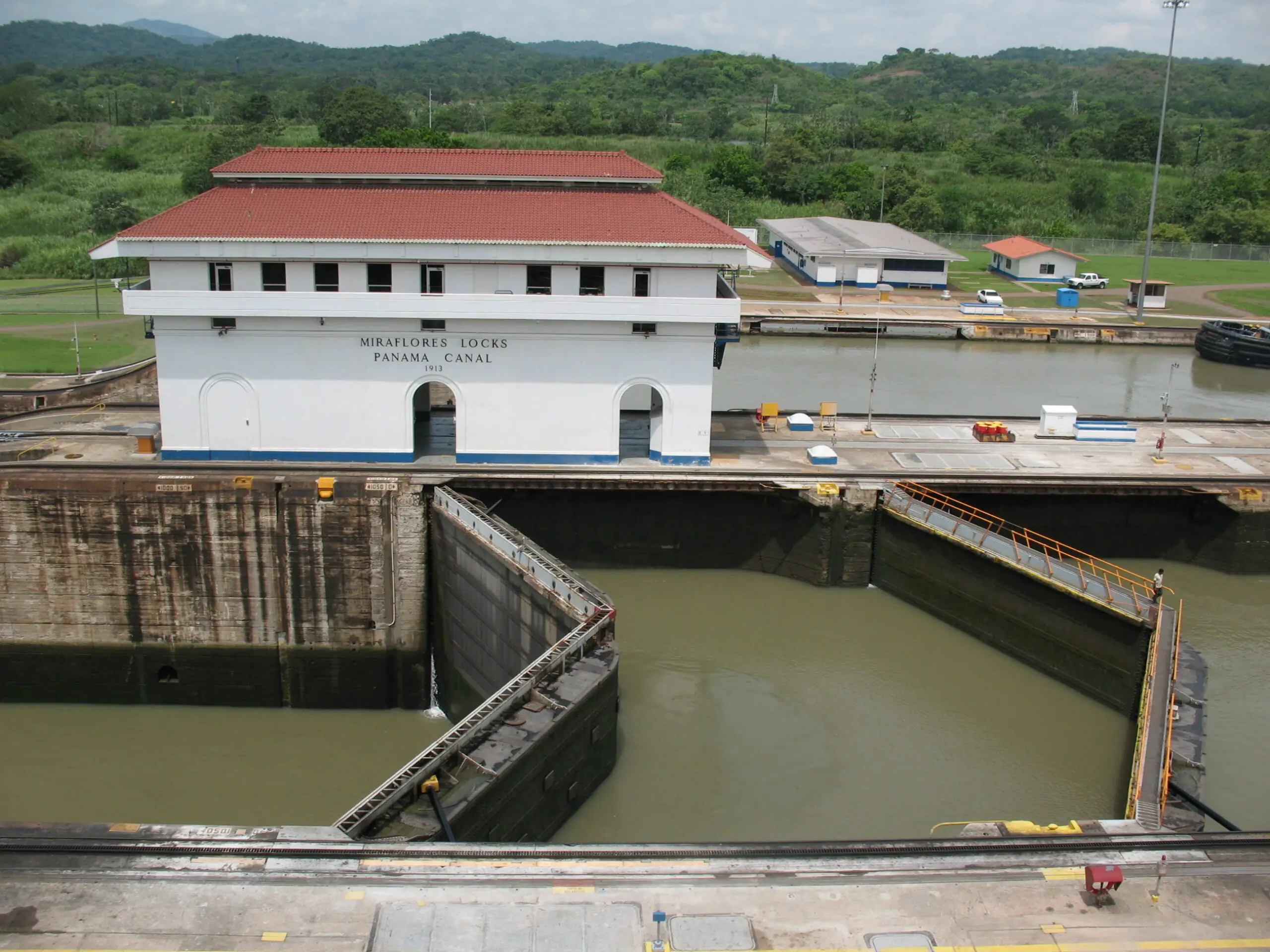
The best way to spend a half-day stopover is visiting the Miraflores Locks at the Panama Canal. Located on the Pacific side of the city, the visitor center features a viewing platform where you can watch massive container ships clear the locks. It is a straightforward taxi ride from the airport and a practical way to see the country’s main engineering marvel during a long layover.
Getting from Tocumen Airport into the City
Tocumen Airport is located about twenty-four kilometers east of downtown Panama City.
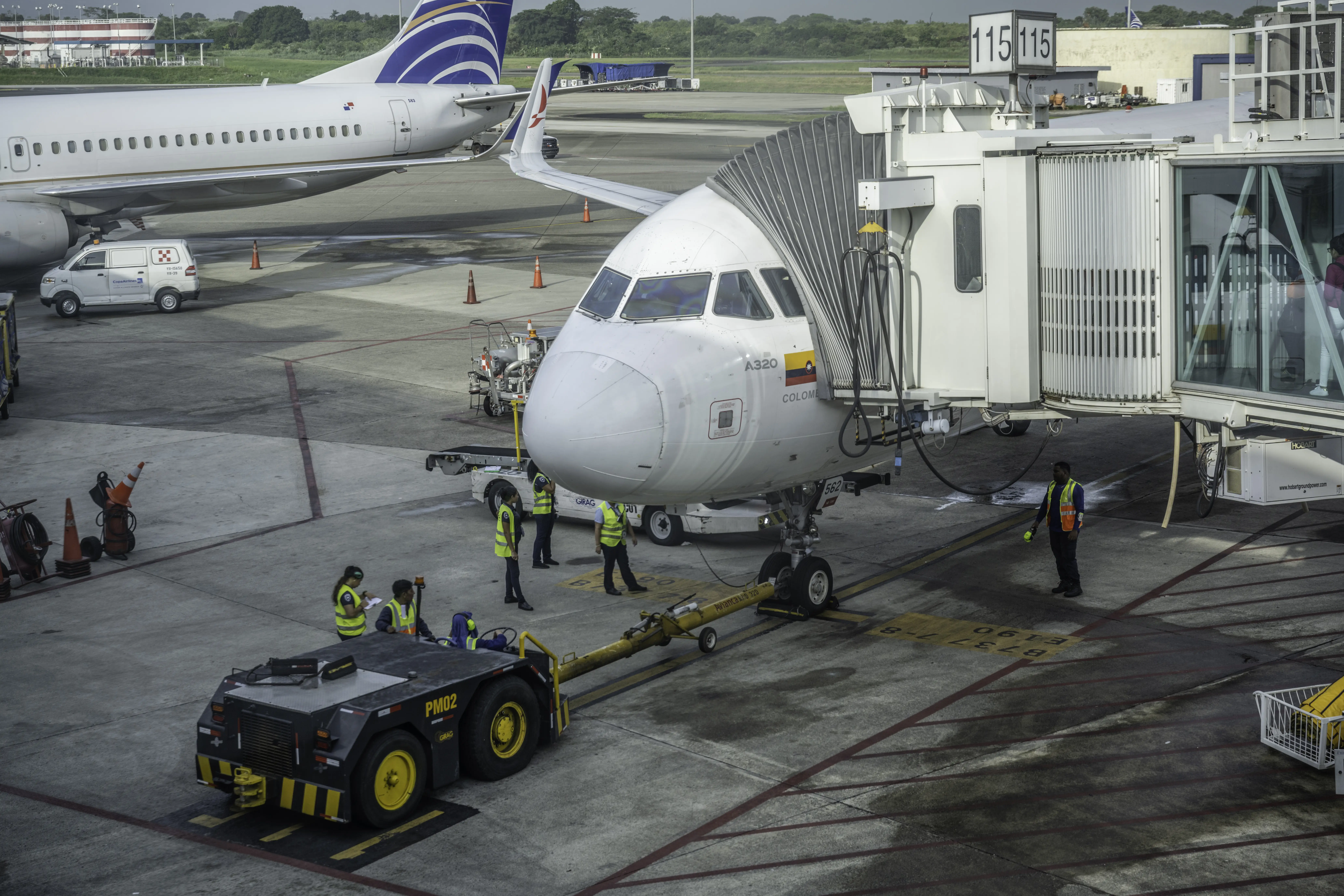
To get to the city center, you have a few options. Metro Line 2 connects directly to Tocumen Airport’s Terminal 2, allowing passengers to ride the subway into the city. While the metro is cheap, reaching the historic Casco Viejo district requires transferring to Line 1 at San Miguelito, which can take over an hour. Taxis and Uber are faster, taking about twenty to thirty minutes to reach the city center via the Corredor Sur toll highway, though they are subject to heavy traffic congestion during morning and evening rush hours.
Tropical Seasons and When to Book
Panama has a tropical climate, meaning it remains hot and humid year-round, but rainfall varies significantly:
- Dry Season (December through April): This is the peak travel season. Weather is sunny and dry, making it the most pleasant time for a stopover, though flight fares and hotel rates are at their highest.
- Wet Season (May through November): Known locally as the green season, this period sees regular afternoon downpours. Fares are generally lower and crowds are thinner. The rain rarely lasts all day, so it remains a viable option for budget travelers.
Entry Requirements
Most Western passports—including the US, UK, Canada, Australia, and EU nations—can enter Panama visa-free for tourism. Your passport must be valid for at least three months, and immigration officers may request proof of onward travel and sufficient funds. Entry rules can change; always check current requirements before you fly.
Images: TEDBARTH / CC BY-SA 3.0; Elemaki / CC BY 3.0; Wilfredor / CC0. Source: Wikimedia Commons.
