
The Layered Crossroads
Palermo is less a single city than a dense geological record of empires. It was Phoenician and Greek, then Roman, but the city’s true architectural soul was forged between the 9th and 12th centuries. When the Normans conquered the city, they wisely kept the skilled Arab craftsmen working.
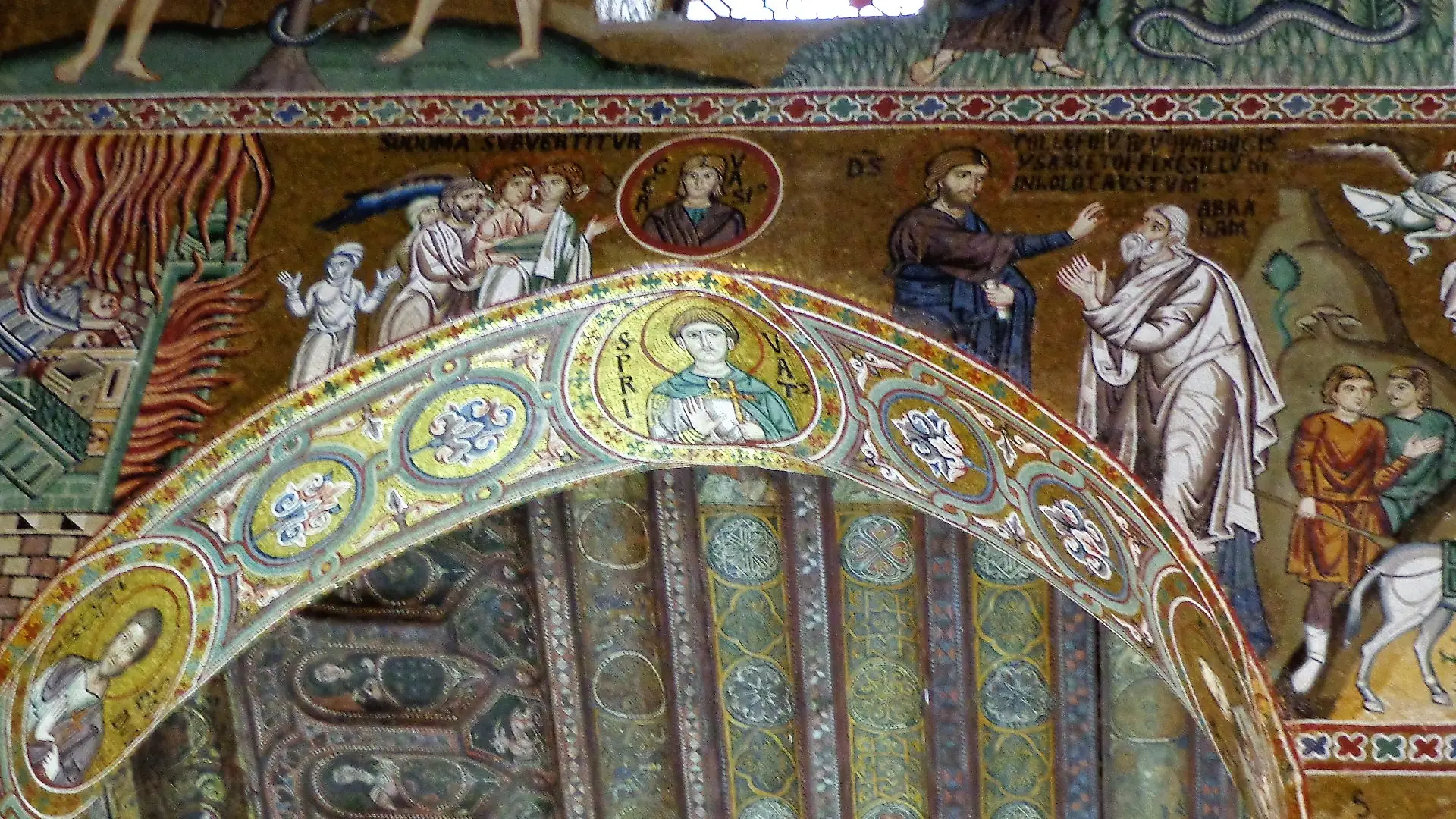
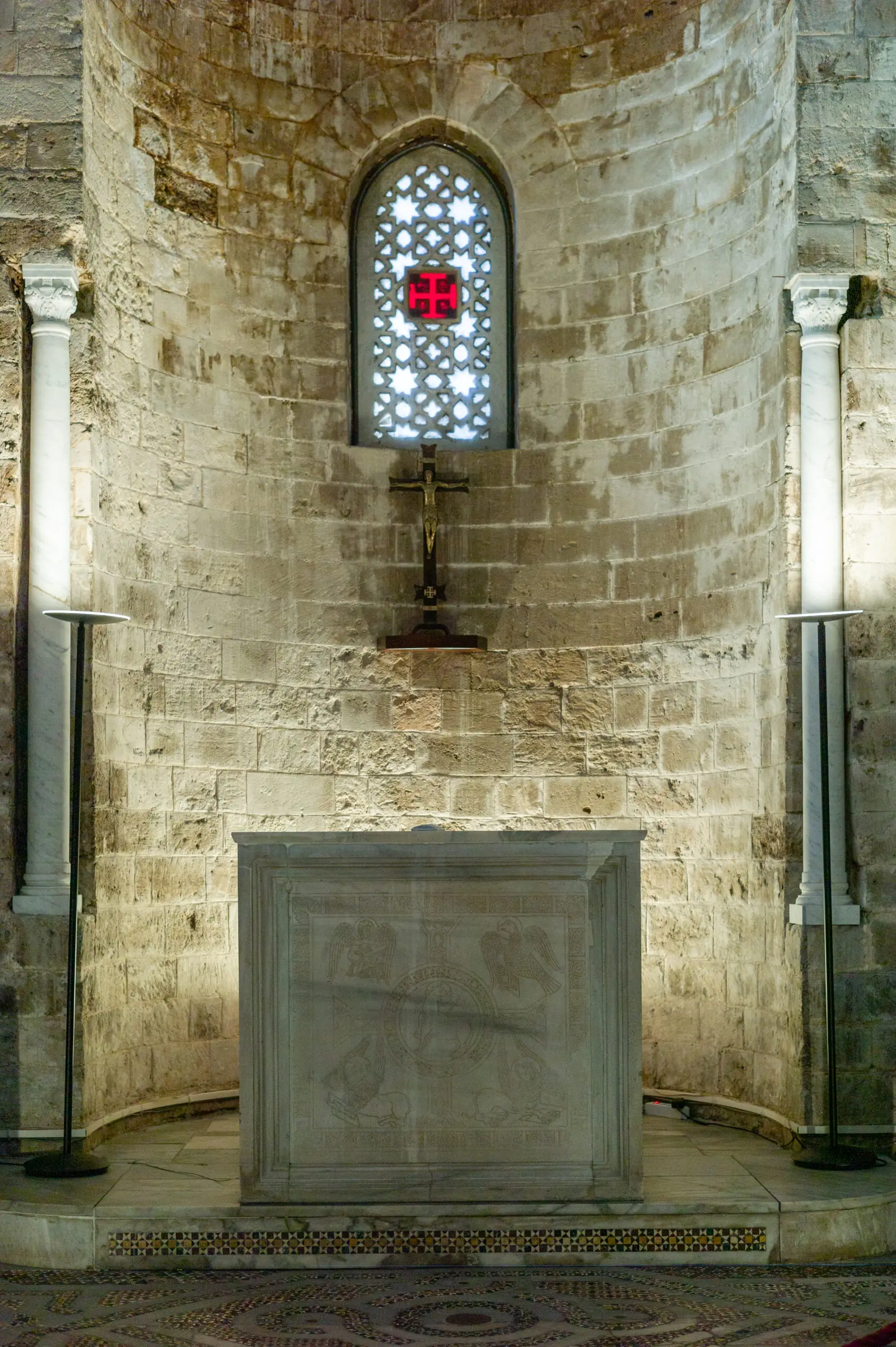
The resulting Arab-Norman fusion is written plainly in the stone. You see it in the striking red domes of San Cataldo, the astonishing golden mosaics of the Cappella Palatina, and the massive cathedral complex out at Monreale. These are not just pretty backdrops; they are physical proof of a genuine, historic Mediterranean crossroads.
Decayed Grandeur and the Catacombs
The city’s later centuries left a heavy layer of Baroque grandeur, but it is a grandeur deeply worn by time and the heavy bombing of the Second World War. Great institutions like the Teatro Massimo stand against blocks of faded, scarred palazzi, creating a constant, honest friction between absolute beauty and visible neglect.
This plain acceptance of heavy realities extends to the Capuchin Catacombs. Lined with thousands of mummified bodies dressed in their finest clothes, the catacombs are often pitched to tourists as a macabre thrill. In truth, they represent Palermo’s long, completely frank relationship with death and memory, demanding a sober, respectful visit rather than a quick photo stop.
Street Food as History
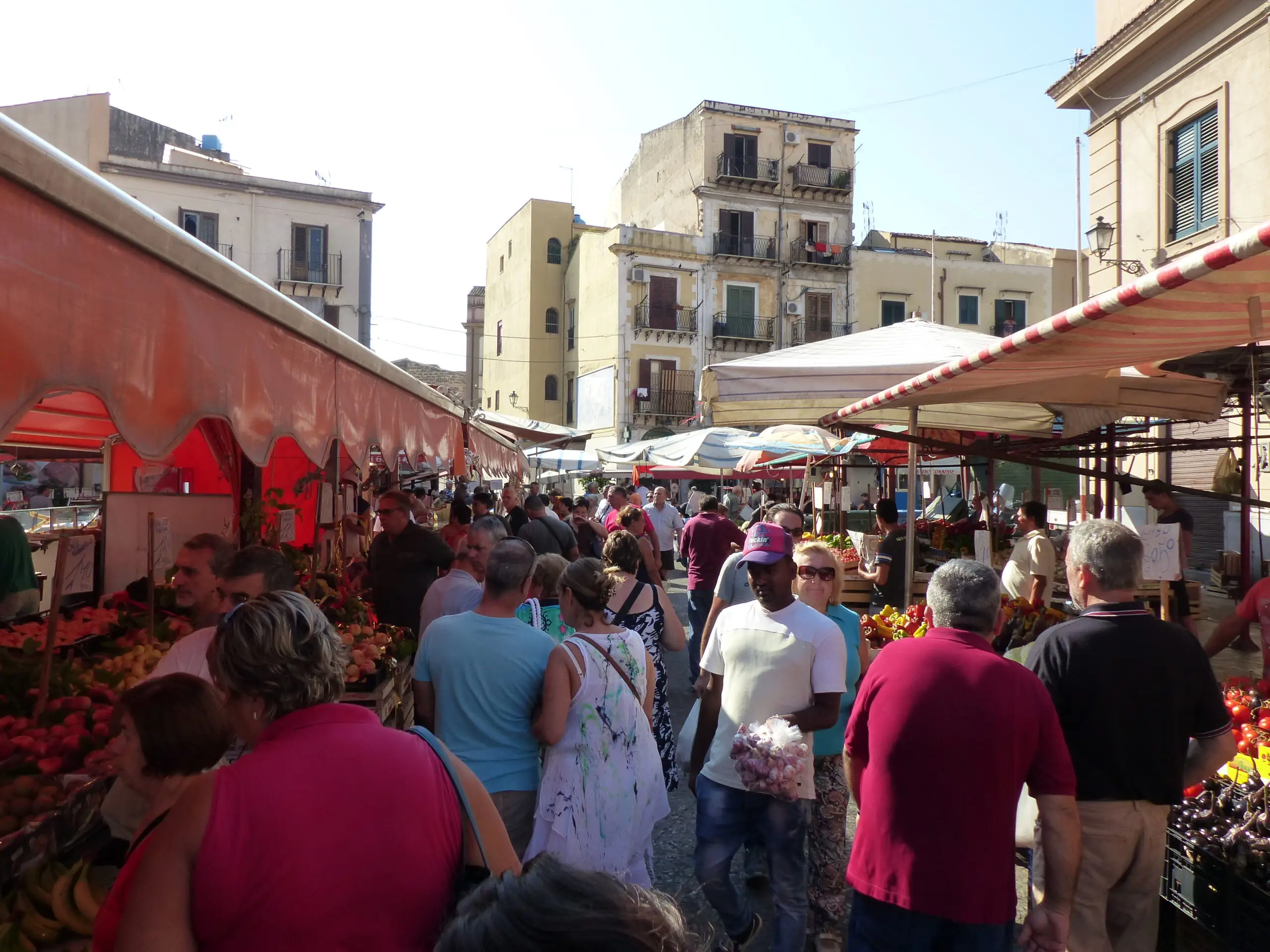
The layers of conquest are just as obvious on the plate. Palermo’s street food is legendary, a direct result of Arab and Spanish influences. You will find arancine (the famous stuffed, fried rice balls), thick slices of sfincione (spongy local pizza), and panelle (fried chickpea fritters). For the brave, there is pane ca’ meusa—a heavy, rich spleen sandwich eaten piping hot from a street cart. Local stories often try to pin the invention of these dishes to specific ancient kings or clever nuns; as always, these are lovely, fiercely defended legends rather than documented fact.
The Modern Reality
You cannot discuss modern Palermo without acknowledging the Mafia, but the city refuses to be defined entirely by the Hollywood mobster myth. The assassinations of anti-Mafia judges Giovanni Falcone and Paolo Borsellino in the 1990s sparked a profound civic shift. Today, the public memory of their sacrifice is deeply embedded in the city, and grassroots movements like Addiopizzo actively push back against extortion. It is a serious, ongoing reality that the city faces with clear-eyed resilience.
Today, Palermo is caught between the pressure of modern tourism and its own rough, unpolished edges. You see sudden regeneration alongside genuine decay.
My own sharpest memory of the city was stepping out of a sudden, heavy downpour into a crumbling 18th-century courtyard. An older man in a sharply pressed suit was sheltering under a torn plastic tarpaulin, calmly smoking a cigarette and tossing crumbs to a stray cat, perfectly indifferent to the rain pooling around his polished leather shoes.
If you are planning to travel, entry is straightforward. Italy is part of the Schengen area, meaning most Western visitors can enter without a visa for short stays. However, the EU’s ETIAS pre-authorisation system is currently being phased in, so always check current requirements before you fly.
FAQ
Is Palermo worth visiting?
Yes, it is one of the most culturally complex cities in Europe. It requires patience and an appreciation for layered history, offering a distinct Arab-Norman architectural heritage found nowhere else in Italy.
What is Arab-Norman Palermo?
It is a unique architectural style from the 11th and 12th centuries, created when Norman conquerors employed local Arab and Byzantine craftsmen. It fuses Islamic arches and domes with Norman structures and Byzantine gold mosaics.
What street food should you try in Palermo?
The city is famous for arancine (fried rice balls), panelle (chickpea fritters), sfincione (thick, spongy pizza), and, for the adventurous, pane ca’ meusa (a traditional spleen sandwich).
What’s the best time to visit Palermo?
Late spring (May to June) and early autumn (September to October) offer excellent weather and warm seas. High summer (July and August) is intensely hot and crowded.
Images: Effems / CC BY-SA 4.0; Benjamín Núñez González / CC BY-SA 4.0; Nikos Konstantinidis / CC BY-SA 4.0. Source: Wikimedia Commons.
Read also
- The best beaches in Spain. Summer holiday by the sea
- Barcelona: Where Art Embraces the Sea
- Magnificent Austria: Journey from the Alps to the Vienna Opera


