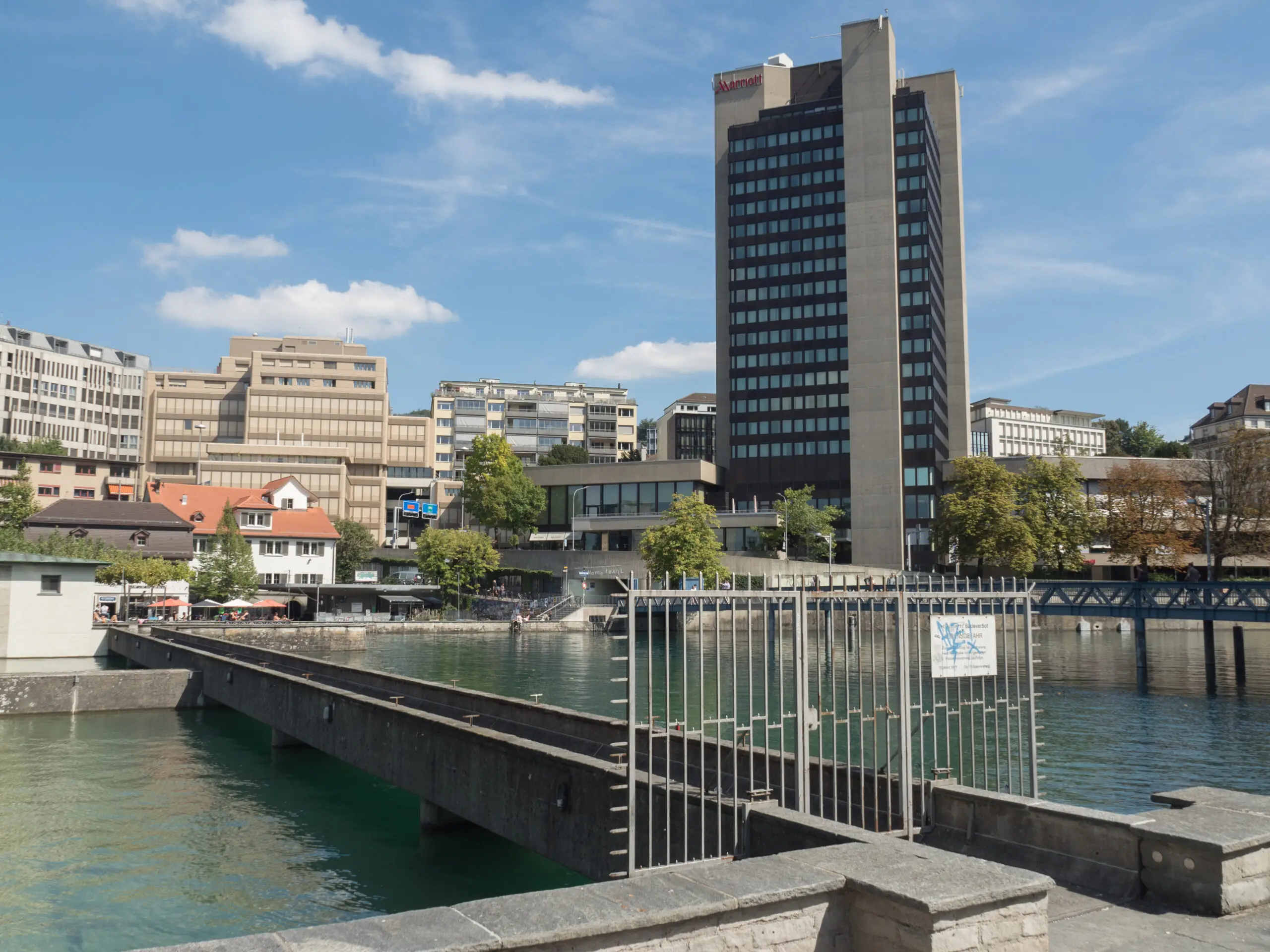

Zürich Airport (ZRH) is the primary gateway for travelers bound for Switzerland, serving as the central hub for Swiss International Air Lines. Because of its size, navigating the arrivals terminal and coordinating your onward transport requires planning. If you do not understand the logistics of the mainline railway station directly beneath the airport, a cheap flight deal can quickly turn into a stressful arrival.
Zürich Airport as a Gateway
Zürich Airport is the main international hub for Swiss International Air Lines and the primary point of entry for travelers flying to Switzerland. If you are routing from the US, you will find direct flights from major hubs like New York, Chicago, San Francisco, and Miami. Because ZRH is a massive node for Star Alliance, connecting through European hubs like Frankfurt, Munich, or London is also common.

The Mainline Station Beneath the Terminal
What makes ZRH stand out from other European airports is not its duty-free shops, but what sits directly beneath it. The airport features a mainline SBB train station integrated into the passenger terminal.
Once you retrieve your bags and clear customs, you do not need to hunt for a shuttle bus, drag luggage across a highway, or queue for a taxi. You walk straight down the escalators into the station. From there, trains run to Zürich’s central station (Zürich HB) every few minutes, with a transit time of ten to fifteen minutes. Even better, direct intercity trains depart from the airport station straight toward major cities and mountain gateways like Lucerne, Bern, Geneva, and Interlaken.
Why You Should Skip the Rental Car
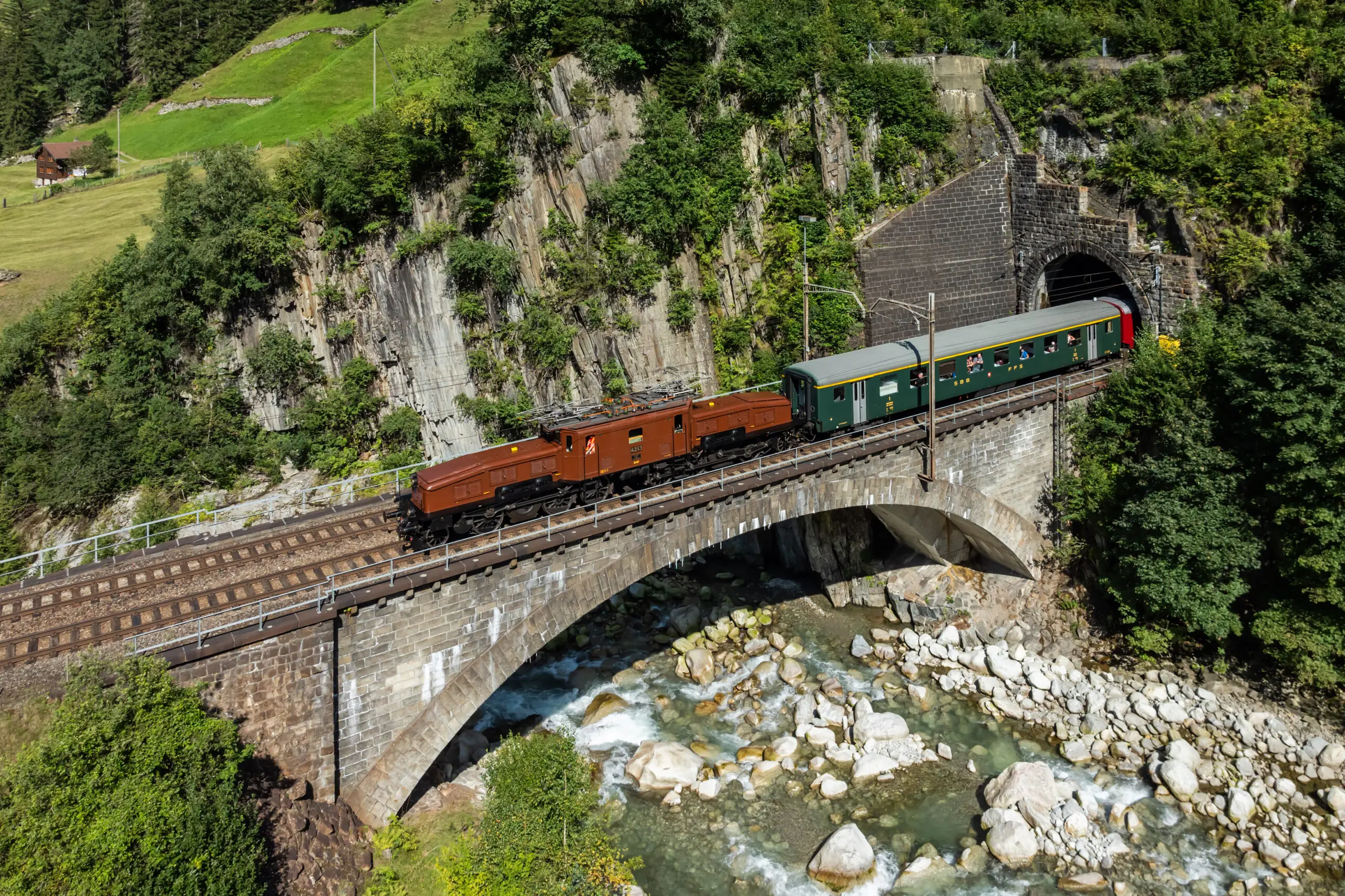
Switzerland operates one of the densest and most reliable public transportation networks in the world. The country is designed to run on rails, and bringing a car into this system is a mistake:
- Mountain Access: Many alpine resort villages, such as Zermatt and Wengen, are entirely car-free. If you drive, you will be forced to leave your vehicle in a paid parking lot miles away and take a train anyway.
- The Travel Pass Advantage: The Swiss Travel Pass offers unlimited travel on trains, buses, and boats across the entire country. It also covers municipal transit in cities and offers steep discounts on high-altitude mountain railways.
- Luggage Forwarding: The national rail service (SBB) offers a luggage forwarding service. You can check your bags at the airport and have them sent directly to your destination station in the Alps, allowing you to travel hands-free.
The Reality of Timetable Discipline
Swiss public transit runs on absolute punctuality. If a timetable states a train departs at a specific minute, it will close its doors and roll out at that exact moment.
This level of precision means tight, cross-platform connections—often as short as two or three minutes—are entirely standard and reliable. However, this discipline cuts both ways. If you dawdle while getting off your carriage, you will watch your connection pull away. Plan your transfers using the official timetable app and be ready to move when the doors open.
Managing Swiss Expenses
Switzerland is expensive, and travel costs can stack up quickly if you are not careful. However, you can keep your budget in check with a few simple habits:
- Drink from the Fountains: Street fountains are everywhere, and the tap water is free, cold, and drinkable. Do not waste money on bottled water.
- Supermarket Lunches: Restaurant meals are a major budget strain. Instead, grab fresh sandwiches, salads, and local cheeses from local supermarket chains like Coop or Migros.
- Pass Savings: The upfront cost of a Swiss Travel Pass is steep, but it almost always works out cheaper than buying individual tickets or renting a car once you calculate the cost of parking, road tolls, and fuel.
Weather and Mountain Closures
When planning your flights, keep in mind that Switzerland has two distinct travel peaks: the winter ski season and the summer hiking season.
The shoulder months of spring (May) and autumn (October and November) offer cheaper flights and quiet trails. However, this is also when many mountain cable cars, funiculars, and high-altitude rail lines close for seasonal maintenance. If you book a shoulder-season deal, check the schedules of the specific mountain peaks you want to visit to ensure they are actually open.
Entry Requirements
Switzerland is part of the Schengen Zone, meaning visitors with US, UK, Canada, Australia, and New Zealand passports can enter visa-free for tourist stays of up to 90 days within any 180-day period. The EU’s new ETIAS pre-travel authorization is scheduled to go live in the future, which will require a simple online application before departure. Entry rules can change; verify current requirements before booking.
FAQ
How do I get from Zürich airport to the city?
You can walk straight from arrivals to the SBB train station beneath the terminal and board a train to Zürich HB (central station). The trip takes ten to fifteen minutes, and trains depart every few minutes.
Do I need a car in Switzerland?
No. Switzerland’s public transport network reaches almost every town and hiking trail, and many mountain villages are completely car-free. A car is generally slower, pricier to park, and unnecessary.
Is the Swiss Travel Pass worth it?
Yes, if you plan to travel between cities and use mountain lifts. While the upfront cost is high, it covers all trains, buses, boats, city transit, and museum entries, saving you money over individual tickets.
When are flights to Zürich cheapest?
Flights are typically cheapest during the shoulder seasons of spring (April to May) and autumn (September to November), avoiding the peak summer hiking and winter ski seasons.
Images: Jag9889 / CC BY-SA 4.0; Toni_V / CC BY-SA 2.0; Kabelleger / CC BY-SA 4.0. Source: Wikimedia Commons.
Read also
- The Chaos and Charm of Naples: Pizza, History, and Spaccanapoli
- Porto: Where History Meets Modernity
- Lofoten Islands: Where nature meets tradition


